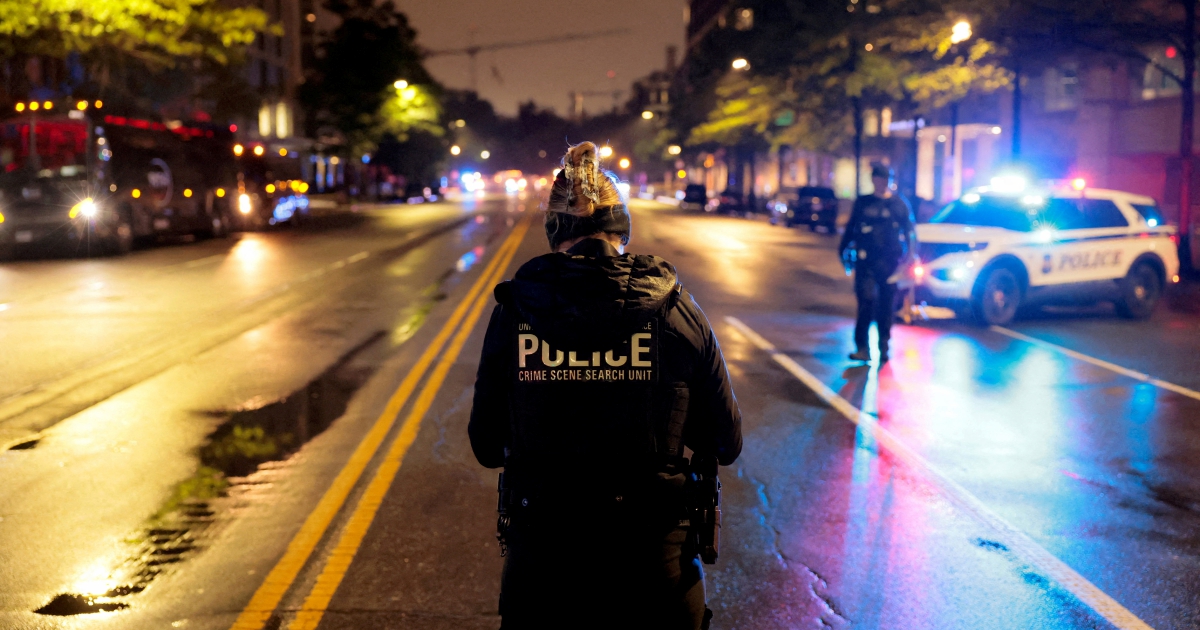
A civilian caught in crossfire during a May shooting incident outside the White House is preparing to take legal action against the US Secret Service. Legal representatives for the injured bystander disclosed that they intend to file a personal injury lawsuit against the federal agency, marking another potential consequence of the high-profile security operation that unfolded near the nation's most symbolically important residence.
The incident occurred when Secret Service agents engaged in an armed confrontation with a suspect in proximity to the White House. During the exchange of gunfire, an innocent bystander sustained injuries, transforming what began as a security response into a broader liability matter for the federal government. The specific circumstances of how the civilian was struck and the severity of injuries remain central to the legal dispute that is now unfolding.
The decision to pursue litigation reflects growing scrutiny of the Secret Service's operational protocols, particularly regarding civilian safety during active security threats. Legal experts suggest that cases of this nature hinge on whether federal law enforcement exercised appropriate caution to minimise harm to non-combatants during their response. The lawsuit will likely examine whether alternative tactics could have been employed, or whether adequate warnings were issued to civilians in the vicinity before shots were fired.
For Malaysian and Southeast Asian observers, this case illuminates the complex legal landscape surrounding security operations in democratic nations. The ability of citizens to sue government agencies for damages represents a fundamental distinction between liberal democracies and more authoritarian governance systems. In Malaysia, where the government enjoys broader immunity from civil litigation in matters deemed within its discretionary functions, such disputes would be handled through different legal mechanisms and face significantly higher procedural barriers.
The White House incident also raises questions about intelligence gathering and threat assessment. Security services worldwide operate under constant pressure to prevent attacks while minimising collateral damage to civilians. The Secret Service's decision to engage in a firefight near the White House, one of the most heavily protected locations on Earth, suggests the perceived threat level justified the operational response. However, the injury to a bystander indicates that execution of this response may not have proceeded with optimal precision.
Froms legal standpoint, the bystander's case will likely centre on negligence claims and allegations that the Secret Service failed to protect innocent persons from foreseeable harm. Federal tort law permits individuals to recover damages when government agencies act recklessly or with gross negligence, though sovereign immunity protections often complicate such claims. The plaintiff's lawyers must demonstrate that the agency's conduct fell below accepted standards for similar security operations, or that sufficient warnings to evacuate the area were not provided.
The timeline of the incident proves consequential to legal arguments. If security personnel had foreknowledge of a credible threat in the area, they bore responsibility for clearing civilians from the vicinity or providing them with means to seek shelter. Conversely, if the threat emerged suddenly and unpredictably, arguments regarding reasonable precautions become more nuanced. The forthcoming litigation will likely expose classified threat assessments and security protocols, potentially creating tension between transparency and national security interests.
Financial compensation forms one obvious objective of the lawsuit, with the plaintiff seeking reimbursement for medical expenses, lost wages, and pain and suffering. However, the case also carries broader significance as a potential precedent affecting how federal agencies calibrate force deployment in populated areas. Successful litigation could incentivise the Secret Service and similar agencies to adopt more restrictive engagement protocols or enhanced civilian warning systems.
International observers from Southeast Asia might note that such cases, while ensuring accountability, also highlight the operational complexity faced by security services protecting critical infrastructure and public figures. In regions experiencing higher terrorism threats, questions about balancing security imperatives with civilian welfare become even more acute. Yet even nations confronting genuine security challenges increasingly recognise that civilian casualties damage public confidence in law enforcement and create political vulnerabilities.
The legal process will likely span months or years, potentially extending beyond initial filings through appeals and settlement negotiations. Discovery proceedings will probably reveal internal communications between Secret Service personnel regarding threat assessment, decision-making processes, and post-incident reviews. Such revelations often provide valuable insight into how elite security units function under pressure.
This case arrives amid broader debates about police accountability and civilian oversight of federal agencies. While the Secret Service primarily focuses on presidential protection rather than general law enforcement, analogous questions about appropriate use of force apply across security services worldwide. The outcome of this lawsuit may influence not only Secret Service protocols but also broader governmental attitudes toward civilian litigation against federal agencies.
The lawsuit represents the bystander's primary avenue for obtaining compensation and potentially influencing future operational standards. As legal proceedings unfold, the case will demonstrate whether the American civil justice system can effectively hold even elite federal security agencies accountable while respecting legitimate national security requirements and operational discretion.

