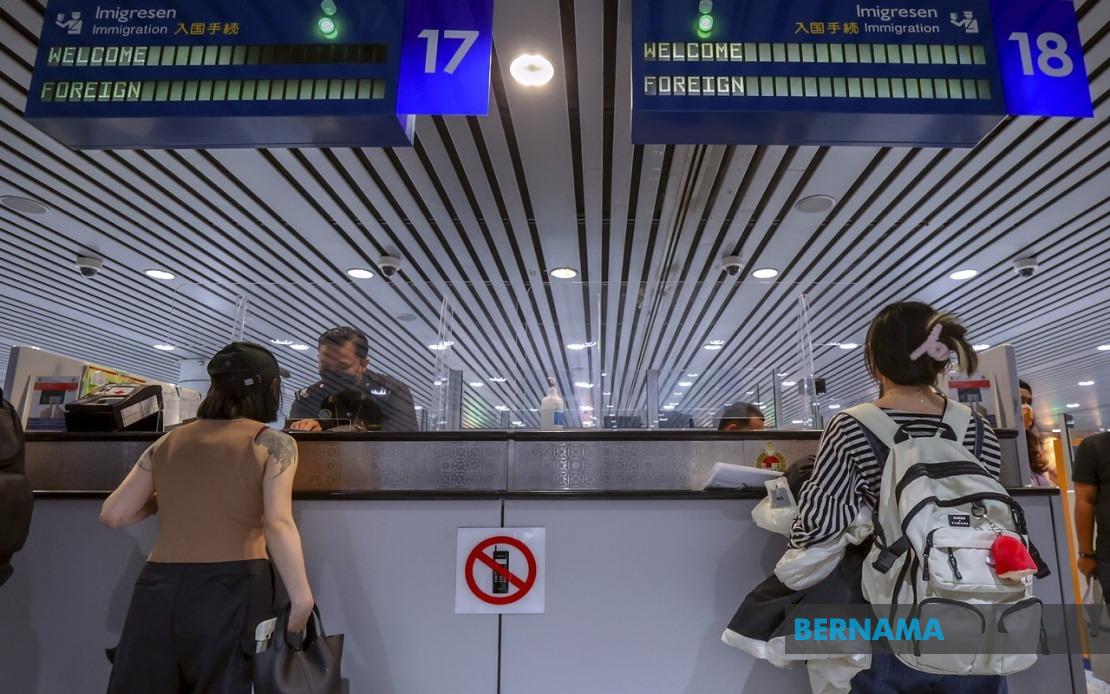
The Malaysian Cabinet has given the green light to an ambitious security reinforcement programme targeting KLIA and the country's international border checkpoints, addressing longstanding vulnerabilities that have drawn increased scrutiny in recent months. The joint initiative, spearheaded by the Home Ministry and Ministry of Transport, represents a comprehensive response to a series of incidents that have undermined confidence in the nation's entry-point security infrastructure. The 17-point framework encompasses immediate actions alongside medium and long-term strategic enhancements designed to create a more resilient and coordinated security apparatus across Malaysia's gateways to the world.
The urgency driving this overhaul stems from several high-profile cases that exposed gaps in existing protocols. Most notably, a Malaysian pilot was arrested at Soekarno-Hatta International Airport in Indonesia carrying approximately 25 kilogrammes of MDMA, an outcome that sent troubling signals about the calibre of personnel operating within Malaysia's aviation sector. Additional arrests and security incidents involving Malaysian nationals have compounded concerns that existing screening mechanisms lack sufficient rigour. These developments prompted the government to commission a thorough review of border security procedures, culminating in the Joint Memorandum now approved by Cabinet.
The immediate phase establishes six priority actions designed to tighten existing controls without requiring lengthy implementation timelines. Risk-based targeted screening represents the cornerstone of this approach, involving enhanced inspection protocols for flights, passengers, crew members and baggage flagged through intelligence and risk assessment systems. This methodology shifts away from blanket screening toward a more sophisticated, intelligence-driven model that allocates resources toward higher-risk movements and individuals. By concentrating scrutiny on identified vulnerabilities, authorities can theoretically improve both security outcomes and operational efficiency at airports struggling with congestion.
A parallel initiative focuses on e-Vetting systems and access control regimes, fundamentally tightening procedures for aviation personnel who operate within restricted areas. Flight crews, airline staff, ground handlers, airport employees, vendors and contractors will now face enhanced security screening protocols before gaining access to sensitive zones. This measure addresses a critical vulnerability: airport operations depend on numerous individuals with legitimate access to aircraft and secure facilities, yet existing vetting procedures may not have adequately assessed their reliability. Strengthening these gatekeeping mechanisms helps prevent insider threats and reduces opportunities for criminal exploitation of trusted access privileges.
Drug screening protocols for aviation personnel constitute a third immediate priority, requiring strengthened pre-employment, periodic and random testing for pilots, cabin crew and related staff. This initiative directly responds to the embarrassment of a pilot arrested with substantial drug quantities, an outcome suggesting inadequate initial screening or monitoring. Mandatory testing regimes create deterrents against substance abuse while establishing baseline health and fitness standards essential for safety-critical roles. The random component prevents individuals from timing their sobriety to coincide with scheduled tests, though implementation will require careful coordination with civil aviation regulators and labour considerations.
Three additional short-term measures round out the immediate action plan: expanding the physical security presence at checkpoints, establishing formal coordination mechanisms for intelligence sharing, and creating a dedicated KDN-MOT Technical Committee to oversee implementation. Enhanced personnel on the ground increases capacity to conduct thorough inspections while projecting visible security deterrence. The intelligence-sharing framework addresses a historical weakness in Malaysian security architecture: different agencies and jurisdictions have often operated in silos, missing connections between separate investigations and incidents. Institutionalising information flows across the Home Ministry and Transport Ministry should reveal patterns and connections invisible to individual agencies.
Beyond these immediate measures lies a more ambitious restructuring envisioned for the medium term. The framework emphasises technology modernisation, asset acquisition and human resource development, recognising that sustainable security improvements require investment in systems, equipment and personnel training. KLIA will serve as the pilot location for comprehensive implementation, allowing authorities to refine procedures and address unanticipated operational challenges before expanding to other international entry points. This graduated rollout acknowledges that Malaysia maintains multiple international gateways—ports, land borders and secondary airports—each presenting distinct operational and logistical circumstances.
The long-term vision encompasses even more ambitious transformation: systematic modernisation of security infrastructure, institutionalised information-sharing protocols, and strengthened governance frameworks extending across all international entry points. Implementation will proceed based on threat assessments, operational suitability and risk profiles at individual locations, ensuring that security measures match actual vulnerabilities rather than applying cookie-cutter approaches. This flexibility proves essential given Malaysia's geography and varying risk profiles across different entry corridors and modes of transportation.
The government's stated commitment to implementing these measures while respecting individual rights, protecting data privacy and maintaining industry cooperation reflects an awareness that security measures must balance effectiveness with practical concerns. Aviation and port operators worry that excessive friction in screening procedures will damage competitiveness and discourage legitimate business. Tourists and business travellers fear intrusive security theatre. Yet the Cabinet's endorsement signals that security imperatives have overridden these concerns, at least temporarily. The question remains whether authorities can execute this programme with the precision and professionalism required to achieve security gains without imposing unacceptable operational costs.
For Malaysia's regional standing, this security initiative carries broader implications. The nation positions itself as a major aviation and logistics hub for Southeast Asia, attracting international investment partly on the basis of operational efficiency and reliability. High-profile security failures—particularly those involving drug trafficking or aviation personnel—undermine international confidence in Malaysian border controls. Regional competitors like Singapore emphasise security rigour as a competitive advantage. By visibly addressing vulnerabilities through comprehensive, professionally-executed programmes, Malaysia can begin rebuilding confidence among international airlines, passengers and cargo operators who need assurance that their movements will be secure and their goods protected from criminal exploitation.
The approval of this 17-point framework represents a pivotal moment in Malaysia's approach to border security, signalling recognition that ad-hoc responses to individual incidents must give way to systematic, coordinated improvements. Success will depend on sustained political commitment, adequate resource allocation, and professional execution by law enforcement and security personnel. Early results from KLIA implementation will establish whether the government can translate Cabinet approval into tangible security improvements, or whether bureaucratic obstacles and resource constraints will limit real-world impact. The coming months will determine whether this initiative catalyses genuine transformation or devolves into another well-intentioned but ultimately hollow security initiative.

