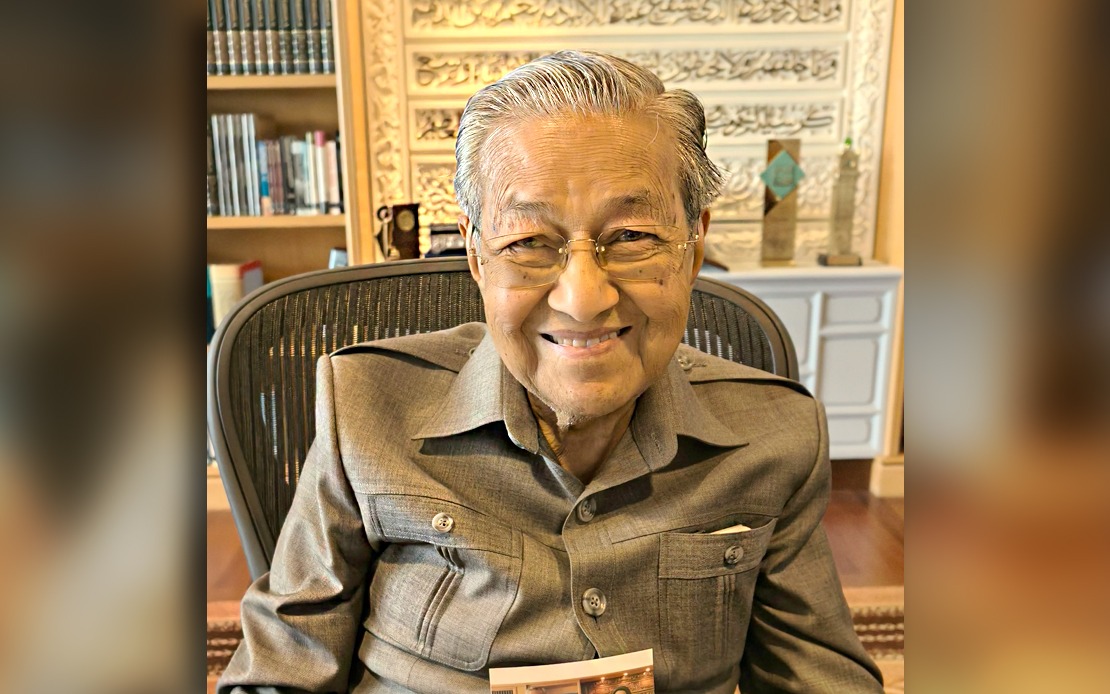
Several members of Malaysia's Cabinet have marked the 101st birthday of former Prime Minister Tun Dr Mahathir Mohamad with heartfelt public tributes, reflecting the significance of the occasion for the nation's political establishment. Communications Minister Datuk Fahmi Fadzil led the chorus of birthday greetings through a Facebook post that conveyed wishes for the nonagenarian's enduring vitality, contentment, and spiritual blessings. The minister's message highlighted the historic nature of reaching such an advanced age, describing the milestone as remarkable and offering prayers that Dr Mahathir would continue to enjoy good health and happiness in the years ahead.
The 101st birthday acknowledgements extended beyond the Communications Ministry to include other senior government figures. Datuk Seri Azalina Othman Said, who holds the portfolio of Minister in the Prime Minister's Department overseeing Law and Institutional Reform, similarly conveyed her wishes through public channels, praying that Dr Mahathir would be granted robust health and remain under divine mercy and blessing. Higher Education Minister Datuk Seri Dr Zambry Abd Kadir also joined the ministerial chorus, reflecting the cross-portfolio recognition of Dr Mahathir's role in Malaysian political history and the respect he continues to command across government ranks.
Dr Mahathir's centennial and beyond represents a remarkable personal achievement and a singular chapter in Malaysia's political narrative. Born on July 10, 1925, in Alor Setar, Kedah, he has witnessed nearly a century of the nation's development, from pre-independence times through to the modern era. His tenure as Prime Minister spans two distinct and substantial periods: a continuous 22-year stretch from 1981 to 2003 that defined much of Malaysia's economic growth and infrastructure development, followed by his return to the office from 2018 to 2020. This extended engagement with the nation's top executive position makes him a figure of enduring relevance to contemporary Malaysian political discourse.
The significance of Dr Mahathir's longevity extends beyond national boundaries into the realm of international political history. His appointment as Prime Minister for the second time at age 92 created a global record, earning him recognition as the world's oldest sitting prime minister at the time of his assumption of office. This distinction underscores not merely his personal vitality but also the Malaysian electorate's willingness to return a veteran leader during a period of significant political turbulence and institutional uncertainty. The decision to bring him back into the highest office at such an advanced age reflected voter preferences during a critical juncture in the country's governance.
The public birthday tributes from sitting Cabinet ministers carry particular resonance within Malaysia's political ecosystem. Such acknowledgements serve multiple functions beyond simple courtesy: they affirm continuity of respect across generations of political leadership, demonstrate recognition of historical contributions to nation-building, and underscore the bridges that remain between different eras of governance. The fact that ministers from the current administration chose to publicly celebrate this milestone suggests a level of political consensus regarding Dr Mahathir's place in Malaysia's institutional memory, transcending contemporary partisan divisions.
Dr Mahathir's influence on Malaysia's development trajectory remains evident across multiple dimensions of contemporary governance and policy. His tenure witnessed ambitious infrastructure projects, the formulation of the Vision 2020 development framework, and the establishment of institutions that continue to shape Malaysian economic policy. His emphasis on industrialisation and technological advancement during the 1980s and 1990s contributed to Malaysia's positioning as a middle-income nation with substantial manufacturing and services sectors. These legacies continue to inform policy discussions and institutional approaches, meaning that his continued presence as a living historical figure carries educational and strategic value for current policymakers.
The manner in which Dr Mahathir's birthday has been publicly commemorated also reflects broader Malaysian cultural and social values. The emphasis on health, happiness, and divine blessing in the ministerial wishes demonstrates the integration of spiritual values within public life in Malaysia. The respectful tone and universal well-wishing across different political orientations suggests that the nation's political class has collectively recognised the advancement of age and accumulated service as worthy of dignified acknowledgement, regardless of disagreements over specific policies or governance decisions from different periods.
Looking forward, Dr Mahathir's continued good health holds significance for Malaysian civil society and intellectual discourse. As the nation navigates contemporary challenges ranging from economic restructuring to institutional reforms, the perspectives of senior statesmen with long historical memory can provide valuable context and continuity. His experience spanning multiple decades of governance, economic transitions, and political evolution positions him as a potential resource for understanding the long-term implications of policy decisions and institutional changes. The public birthday wishes from the current Cabinet suggest recognition of this potential contribution to ongoing national conversations.
The broader implications of Dr Mahathir's longevity and continued prominence also extend to Southeast Asian political developments more generally. His role in ASEAN during his initial tenure, his diplomatic engagements across the region, and his articulation of Malaysian national interests within regional forums have left marks on contemporary Southeast Asian relations. His recent return to office was observed with significant regional interest, reflecting the interconnectedness of major Southeast Asian nations' political trajectories. The birthday tributes from Malaysian ministers therefore carry resonance not merely domestically but within the broader regional context of governance and political leadership.
The convergence of these public birthday wishes for Dr Mahathir represents more than ceremonial courtesy; it reflects an acknowledgement of a singular figure whose life has encompassed critical periods of Malaysian development and whose continued vitality at 101 years constitutes an unusual and noteworthy achievement. The ministerial tributes, whether through social media or other public channels, signal respect for accumulated wisdom, recognition of historical service, and hope for continued good health. In the Malaysian political landscape where generational transitions continue to unfold, such moments of unified acknowledgement of elder statesmen serve important functions in maintaining institutional memory and continuity of governance philosophy.

