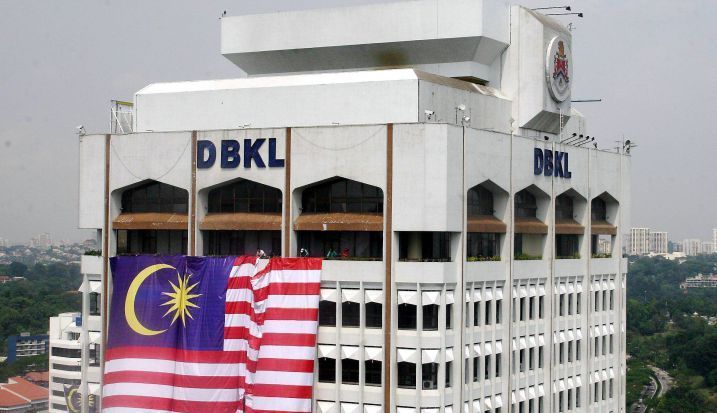
The Cabinet has signalled a cautious approach to restructuring Kuala Lumpur's municipal administration, instructing the Federal Territories Department to prioritise governance strengthening within DBKL before any legislative changes to the Federal Capital Act 1960 are considered. This directive, communicated through Minister in the Prime Minister's Department (Federal Territories) Hannah Yeoh, reflects the government's recognition that systemic problems at the city authority may require institutional discipline rather than sweeping legal overhaul.
The decision follows a four-month feasibility study commissioned from International Islamic University Malaysia (IIUM) between December and March this year. The study examined DBKL's existing administrative framework, decision-making protocols, service delivery mechanisms, enforcement capabilities and accountability structures. Rather than recommending immediate legislative action, the IIUM researchers concluded that many operational challenges stem from insufficient internal governance protocols rather than deficiencies in the foundational law itself.
The findings represent a significant pushback against proposals from multiple quarters seeking structural changes to DBKL's leadership. The Policy Advisory Committee to the Prime Minister had advocated establishing a Supreme Council to reshape the legal authority of the mayor's office. Simultaneously, several Kuala Lumpur parliamentarians proposed creating a City Council comprising all seven MPs representing federal territory constituencies to advise the mayor and provide parliamentary oversight. These proposals reflected mounting frustration among elected representatives and residents over perceived governance gaps at the city authority.
However, the IIUM study explicitly cautioned against introducing a councillor system into DBKL's existing framework. The researchers argued that adding another decision-making layer would generate overlapping jurisdictions and diffuse accountability. Under the current legal structure established by Section 5(1) of Act 190, the mayor functions as a "corporation sole"—meaning legal authority vests in the mayoral office rather than distributed across a council body with voting rights. This arrangement distinguishes Kuala Lumpur from conventional local authorities governed under the Local Government Act 1976.
Instead of structural reorganisation, the IIUM study recommended strengthening DBKL's existing Advisory Board through a formalised governance framework. Such a framework would establish transparent criteria and quotas for appointing professional experts and non-governmental organisation representatives, alongside standardised procedures for board meetings, proposal review, reporting and coordination with the mayor, Federal Territories minister and DBKL management. This approach aims to inject greater rigour and transparency without fundamentally altering institutional architecture.
The study also proposed a reformed role for Kuala Lumpur's MPs that stops short of formal administrative authority. Rather than granting direct powers over city management or mayoral appointments, MPs would participate through enhanced consultation mechanisms, oversight committees, budget scrutiny and formal channels for escalating constituent concerns. Establishing clear protocols, schedules and reporting requirements for these engagement points would provide parliamentary accountability without conflating political representation with administrative execution.
The Cabinet's acceptance of these recommendations suggests a strategic preference for incremental institutional repair over structural transformation. The Federal Territories Department and DBKL management are now developing a comprehensive transformation plan focused on improving decision-making transparency, strengthening internal checks and balances, and enhancing overall municipal administration. This initiative will unfold through administrative directives, procedural guidelines and operational improvements rather than legislative amendments requiring parliamentary passage and constitutional consideration.
For Malaysian readers and Southeast Asian observers, this cautious approach reflects broader governance debates in the region about balancing political accountability with administrative efficiency. Introducing direct parliamentary oversight through councillor systems can strengthen democratic representation but risks creating bureaucratic friction. Kuala Lumpur's status as both the national capital and a Federal Territory adds constitutional complexity—any amendments to Act 190 must navigate the original 1974 federal agreement under which the city transferred to national government control.
The IIUM study's emphasis on procedural and guideline-based reform rather than legal restructuring carries implications for how Malaysian governance institutions approach institutional problems generally. It suggests that many administrative shortcomings can be addressed through disciplined implementation of existing authority rather than seeking new laws. This approach places responsibility squarely on DBKL leadership and the Federal Territories Department to execute reforms effectively.
However, the path forward depends heavily on sustained Cabinet oversight and DBKL's genuine commitment to implementation. The Cabinet's decision to receive periodic progress reports indicates awareness that merely commissioning reforms proves insufficient without enforcement mechanisms. How thoroughly DBKL translates the study's recommendations into functioning governance practices will ultimately determine whether administrative reform succeeds or whether future calls for legislative amendments resurface.
For residents and elected representatives frustrated by DBKL's performance, this interim phase demands patience while also requiring vigilant monitoring. The transformation plan represents a critical juncture where internal institutional discipline will be tested. The coming months will reveal whether governance strengthening through administrative measures can satisfy stakeholders who previously advocated structural reorganisation, or whether unresolved tensions will eventually force the legal amendments the Cabinet has deferred.

