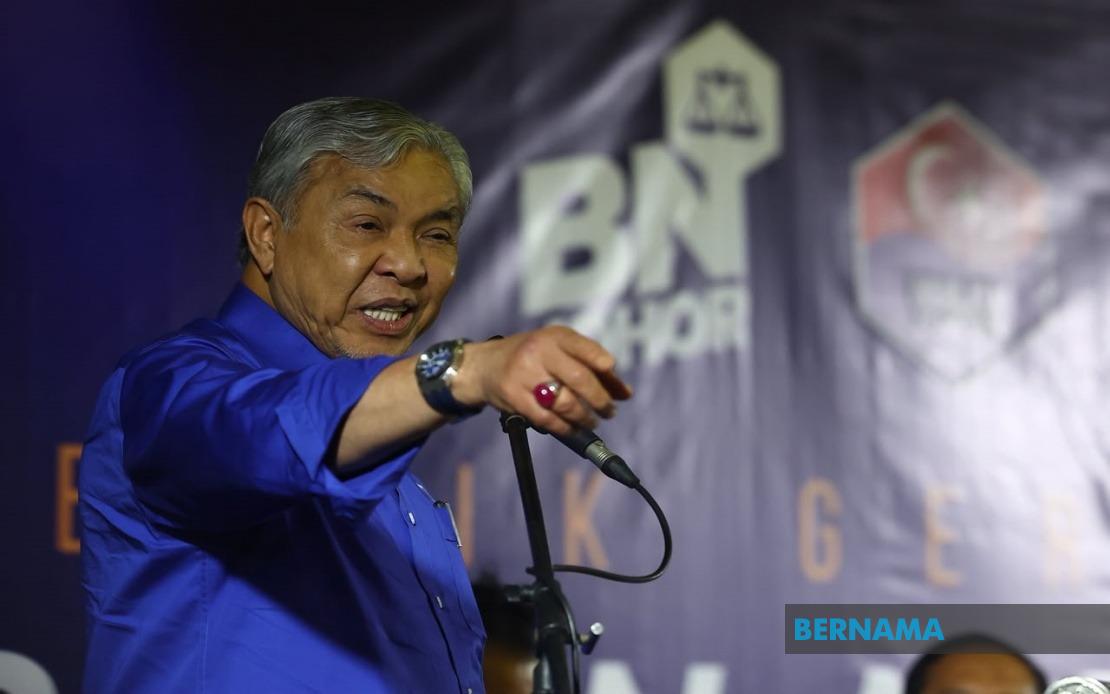
The Malaysian government has committed to examining both the e-invoice system and mandatory Employees Provident Fund contributions for non-citizen workers, following Cabinet deliberations held in Johor Bahru on July 8. The decision emerged from discussions led by Prime Minister Datuk Seri Anwar Ibrahim, with Deputy Prime Minister Datuk Seri Dr Ahmad Zahid Hamidi confirming that a comprehensive review would assess whether these regulatory measures require postponement or modification.
Deputy Prime Minister Ahmad Zahid framed the review within a broader context of economic vulnerability. He highlighted that Malaysia faces headwinds from global financial instability, particularly stemming from geopolitical tensions in West Asia, which have created an unpredictable operating environment for domestic businesses. This timing is crucial for understanding the government's responsiveness to business sector concerns, which have mounted since the implementation of both policies within recent months.
The e-invoice system became mandatory on August 1, 2024, representing a significant shift in Malaysia's tax administration infrastructure. The government had originally positioned the measure as essential for modernizing revenue collection and reducing compliance complexity for small and medium enterprises. However, businesses have reported substantial adjustment costs, including investment in new technology systems, staff training, and operational restructuring. The initiative aims to create a more transparent ecosystem and combat tax evasion, yet widespread feedback from traders suggests implementation timelines may have underestimated practical implementation challenges.
Complementing these tax administration concerns, the mandatory two percent EPF contribution for non-citizen workers commenced deductions from October 2024 onward. This policy shifted the financial burden to employers, who must now allocate pension fund contributions for their foreign workforce. For labour-intensive industries across Malaysia, particularly in manufacturing, construction, agriculture, and domestic services, this represents a material increase in employment costs at a time when global demand uncertainty threatens revenue stability.
Barisan Nasional, the coalition partner within Malaysia's Unity Government, formally requested the review, positioning it as a relief measure for the business community. Ahmad Zahid acknowledged the coalition's advocacy and expressed gratitude to Prime Minister Anwar Ibrahim and Cabinet members for supporting the recommendations. This cross-coalition agreement signals broad political recognition that current economic conditions warrant policy reassessment, even when addressing core government objectives like tax modernization and social security expansion.
The Deputy Prime Minister emphasized that the review would specifically examine deferment possibilities for both measures, rather than permanent cancellation. This distinction matters substantially for policy continuity and Malaysia's fiscal trajectory. Postponement would allow businesses additional adjustment time while preserving the government's medium-term objectives around revenue enhancement and social protection expansion. Such an approach balances competing priorities: fiscal sustainability and business competitiveness.
For Southeast Asian context, Malaysia's experience with these simultaneous regulatory impositions reflects broader regional tensions between modernization imperatives and business adaptation capacity. Several ASEAN nations have implemented digital taxation frameworks, yet Malaysia's dual implementation of tax digitalization and expanded employer contributions creates compounding adjustment burdens. The government's willingness to recalibrate suggests policymakers recognize that regulatory sequencing and phasing affect implementation success rates.
Separately, Ahmad Zahid confirmed Cabinet approval for a ten-year extension of tax exemption status for Tunku Abdul Rahman University of Management and Technology, an institution historically affiliated with the Malaysian Chinese Association. His comments reframed this as a pan-Malaysian educational investment rather than sectarian support, noting that the institution serves students from various political backgrounds and geographic regions including Sabah and Sarawak. However, he clarified that TAR UMT must maintain rigorous financial accountability by submitting annual financial statements and audit reports to the Ministry of Finance, ensuring continued government oversight despite the tax exemption extension.
The Cabinet's multi-layered decision reflects governance approaches prioritizing economic resilience during volatile international conditions. While the e-invoice and EPF contribution policies remain strategically important for Malaysia's long-term fiscal health and social security architecture, the government acknowledges that successful implementation requires adjustable timelines responsive to business sector capacity and macroeconomic conditions. The forthcoming review will determine whether postponement represents appropriate policy calibration or permanent retreat from these initiatives.
Business associations and employer federations now await detailed specifications regarding the review timeline and consultation parameters. Clarity on postponement duration would allow companies to adjust financial planning and resource allocation accordingly. The government's receptiveness to recalibration suggests that future regulatory implementation in Malaysia may benefit from more granular stakeholder consultation during development phases, potentially reducing post-implementation adjustment pressures that have characterized both these recent policy changes.

