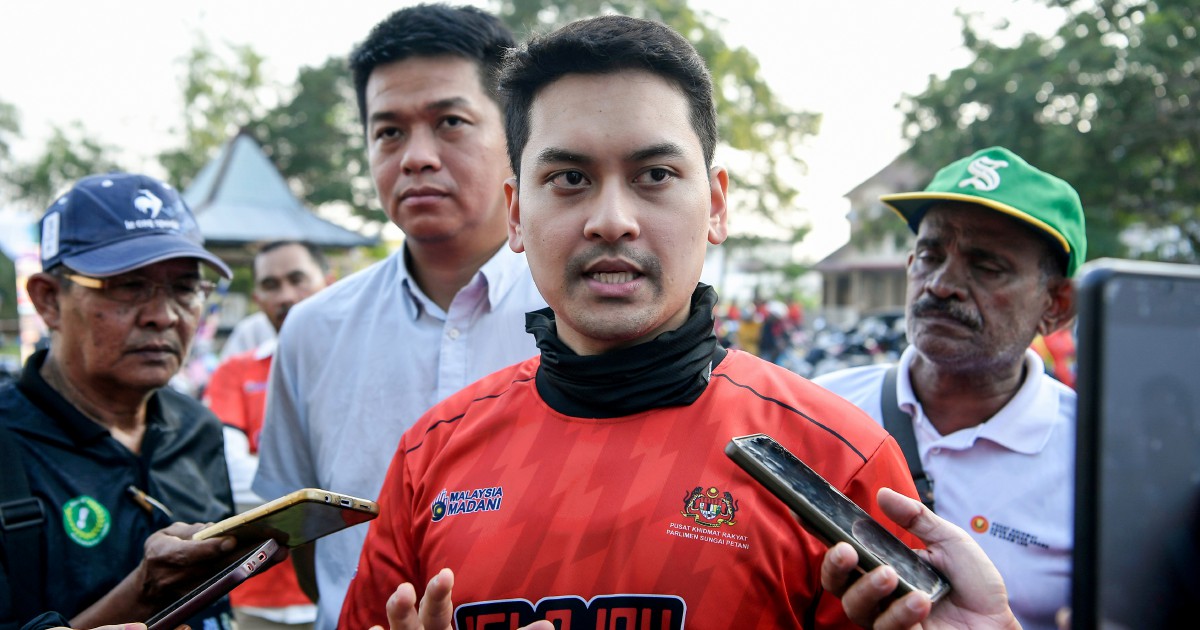
Malaysia's Youth and Sports Minister Dr Mohammed Taufiq Johari has demanded a thorough and comprehensive investigation into the circumstances surrounding the death of an 11-year-old student who collapsed following a school sporting activity in Alor Star. The minister's intervention signals heightened official concern about potential lapses in student safety procedures and the adequacy of safeguards during physical education activities in schools.
The tragic incident has raised serious questions about the protocols in place to protect young students during mandatory sporting activities. According to reports, the girl was instructed by a teacher to participate in the activity despite having an underlying heart condition. The exact nature of the activity and whether the school had knowledge of the student's medical history remains unclear, underscoring the need for authorities to establish a complete timeline of events leading up to the collapse.
Heart-related medical emergencies in young people, though relatively uncommon, require heightened awareness and swift response. Schools must maintain comprehensive health records for all students, particularly those with pre-existing cardiovascular conditions, and ensure that physical education instructors and coaches are adequately trained to recognise warning signs and respond appropriately. The case highlights potential gaps in how schools document and communicate critical health information to staff responsible for organising physical activities.
The minister's call for investigation extends beyond simple fact-finding. It signals a broader governmental commitment to reviewing current safety standards and guidelines governing school sporting activities across the country. This includes examining whether schools have adequate first aid facilities, trained personnel, and emergency response procedures in place. Many Malaysian schools operate with limited resources, and such incidents often expose systemic inadequacies that require policy-level intervention.
Teacher accountability is another crucial dimension of this inquiry. Educational staff who supervise or organise sporting activities bear responsibility for knowing their students' medical backgrounds and assessing whether participation poses unreasonable health risks. The investigation should clarify whether proper pre-activity health screening took place and whether the teacher had access to relevant medical information about the student before directing her participation.
This incident also carries implications for Malaysia's broader approach to school health and safety. Regional education systems across Southeast Asia have faced similar challenges, with multiple countries implementing stricter requirements around medical clearance for students with known health conditions before participation in physical activities. Some jurisdictions now require written parental consent and medical certification for students with cardiac histories before engaging in structured exercise programmes.
The case reflects emerging international awareness about sudden cardiac events in young athletes and students. While exercise-related cardiac incidents remain rare, medical professionals increasingly advocate for preparticipation screening, particularly where family histories suggest cardiovascular risk. Schools are encouraged to maintain automated external defibrillators and ensure staff receive cardiopulmonary resuscitation training, though implementation of these measures varies significantly across Malaysian institutions.
Parental concerns about child safety in schools have intensified following various incidents across the nation in recent years. This death will likely prompt many families to more actively engage with schools regarding their children's medical records and the nature of physical education programmes. Schools may face increased pressure to provide detailed information about the nature of sporting activities, their intensity levels, and the qualifications of supervising staff.
The investigation must also examine the response protocols following the collapse. Whether emergency services were called immediately, whether trained personnel attempted resuscitation, and the timeline from collapse to hospital admission are critical factors that may influence outcomes in similar future incidents. Delays in emergency response can prove fatal in cardiac emergencies, making this assessment essential for identifying potential systemic weaknesses.
Beyond the immediate inquiry, this incident should catalyse a national conversation about standardising health and safety procedures across schools. The Ministry of Youth and Sports, in coordination with the Ministry of Education, could benefit from developing comprehensive guidelines that mandate health screening protocols, staff training requirements, emergency equipment standards, and proper documentation of student medical histories. Such standardisation would ensure consistent protection regardless of a school's location or resources.
The tragic loss of a young life also raises questions about informed consent and student autonomy. While young students cannot independently decide whether to participate in school activities, parents or guardians should maintain genuine awareness and control over their children's involvement in physical programmes, particularly where medical vulnerabilities exist. Schools must strengthen communication channels with families regarding activity risks.
Regional cooperation on this issue could prove valuable, as Southeast Asian nations face similar challenges in child safety within educational settings. Sharing best practices, training materials, and protocol frameworks could help raise standards across the region. The minister's commitment to investigation and response could position Malaysia as a leader in establishing rigorous safeguards for young people in school sporting contexts.
Ultimately, this investigation must deliver not merely answers about what happened in this particular case, but meaningful systemic reforms that prevent similar tragedies. The findings and recommendations must translate into concrete policy changes, resource allocation, and training initiatives that reach schools throughout the country, ensuring that student safety remains paramount in all school-based activities.

