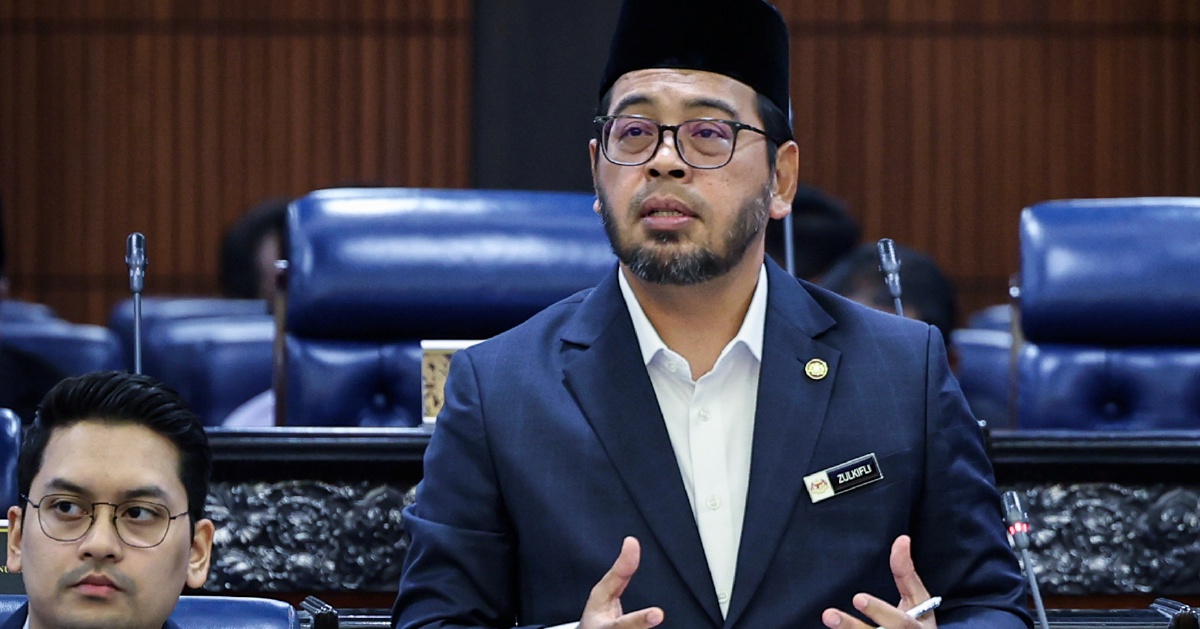
A Malaysian opposition politician has intensified scrutiny of administrative transparency, demanding that former prime minister Datuk Seri Ismail Sabri Yaakob account for the extended delay in releasing findings from a Royal Commission of Inquiry investigating Lembaga Tabung Haji (TH), the country's statutory pilgrimage savings body. The non-disclosure of the report for nearly four years has reignited questions about governance and public access to official inquiries into matters of national interest.
The TH RCI, established to examine operations and governance within the institution that manages savings for Malaysian Muslims performing the Hajj pilgrimage, concluded its investigation well before the report was made accessible to the public. This substantial gap between completion and release raises concerns about decision-making processes at the highest levels of government during Ismail Sabri's tenure as prime minister, which ended in August 2022. The withholding of investigative findings typically requires explicit authorisation from the sitting government, making the timeline a matter of executive accountability.
Tabung Haji has long been a significant institution for Malaysia's Muslim population, managing funds exceeding billions of ringgit accumulated by millions of pilgrims. The body had faced previous criticism regarding investment losses and management practices, making an independent inquiry into its affairs a matter of considerable public concern. When the RCI was commissioned, it signalled official recognition that the organisation required external scrutiny. However, the subsequent delay in releasing findings meant that any identified problems remained unaddressed in the public sphere for an extended period.
The timing of the report's eventual release has become politically charged, with various stakeholders questioning whether the delay was intended to shield the previous administration from damaging revelations or prevent discussion of findings during a sensitive political period. Such controversies erode public confidence in institutional investigations and suggest that conclusions drawn by independent commissions may be subject to political filtering rather than treated as matters demanding immediate public action. For Malaysian citizens and especially the millions who contribute to TH savings, transparency regarding institutional health is a fundamental right.
Governance experts point to international best practices where RCI reports are typically released within defined timeframes following completion, allowing for public discussion and implementation of recommendations. The Malaysian scenario, where a report was shelved for nearly four years, contradicts principles of open administration and democratic accountability that governments routinely commit to honouring. The delay also means that recommendations requiring legislative or administrative action may have become outdated or superseded by subsequent developments.
The scrutiny now falls on whether the previous administration had legitimate reasons for the extended withholding or whether the delay reflected attempts to manage politically sensitive information. Ismail Sabri's government operated during a period of significant political instability and coalition dynamics that may have influenced decision-making on such matters. Nevertheless, the obligation to explain delays in releasing official inquiries transcends individual political circumstances and relates to broader principles of institutional governance.
The broader implications extend beyond this single case. When government-commissioned investigations face unexplained delays in public release, it creates precedent that weakens the institutional independence of RCIs and similar bodies. Future inquiries may be perceived as vehicles for fact-finding that serves political interests rather than public accountability. This perception undermines the credibility of investigative mechanisms that depend on public trust to carry legitimacy and authority.
For the current administration under Prime Minister Datuk Seri Anwar Ibrahim, the handling of inherited matters like delayed RCI reports presents an opportunity to differentiate itself through transparency. Whether to immediately release previously withheld findings or undertake fresh investigations remains a choice with symbolic weight. The government's approach to such inherited governance issues signals its commitment to the accountability agenda that formed part of its election platform.
Tabung Haji remains under scrutiny regarding financial performance and management practices. Relevant stakeholders, including investment regulators and parliamentary committees, require complete information about institutional vulnerabilities identified by independent inquiry to formulate appropriate oversight mechanisms. The four-year information gap represents genuine lost time that could have been deployed for remedial action or enhanced safeguards protecting the massive pools of savings entrusted to TH by ordinary Malaysians.
The pressure on Ismail Sabri to provide detailed explanation reflects a broader public demand for transparency in governance that transcends partisan divisions. Political observers note that accountability questioning often indicates concerns cutting across ideological lines, suggesting widespread recognition that withholding official inquiry reports contravenes accepted standards. Regardless of political affiliation, both government supporters and critics generally expect prompt disclosure of findings from state-commissioned investigations.
As this matter continues attracting attention, it serves as a reminder that institutional governance and administrative transparency require constant vigilance and public engagement. Malaysia's various governmental and quasi-governmental bodies manage assets and services fundamental to millions of citizens' welfare and security. Ensuring that investigative findings regarding their operations reach public view without prolonged obstruction remains essential to maintaining the social contract between state institutions and the public they serve.

