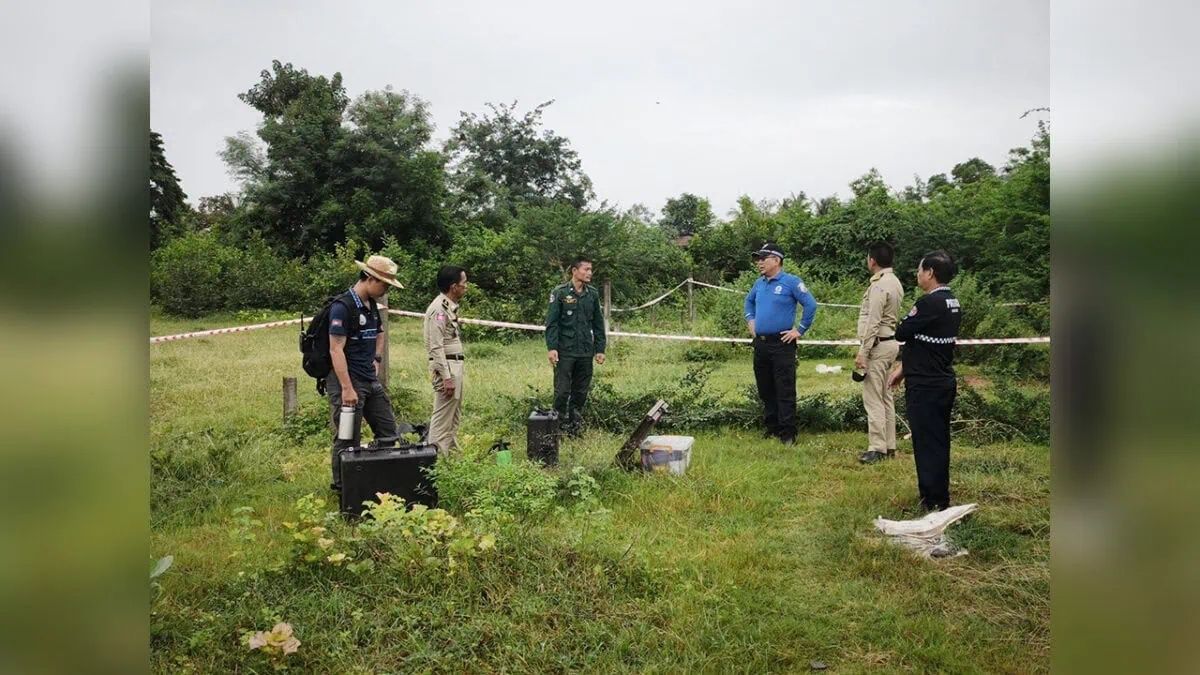
Authorities in Cambodia have opened parallel investigations into two separate child homicide cases following the discovery of deceased children in Banteay Meanchey province. The Cambodian National Police coordinated with the Child Protection Unit to respond to discoveries made on July 28, with an official statement issued by the CPU on August 3 clarifying that the two cases remain entirely unconnected despite occurring on the same date in the same province.
The first discovery took place in Mongkol Borei district at approximately 8am when authorities located the body of a 15-month-old child in a pond. Hours later that morning, in a separate incident, the remains of a five-year-old child were found in Teuk Thla commune. The older child had been reported missing three days prior on July 25, making the discovery the conclusion of an active search effort. The swift recovery of both bodies within hours of each other triggered immediate law enforcement mobilisation, though investigators emphasised that each death resulted from distinct circumstances.
The investigative response involved multiple layers of Cambodia's law enforcement apparatus. The CPU's dedicated homicide team took lead responsibility while working alongside Banteay Meanchey's provincial police forces and the Department of Technical and Scientific Police under the Ministry of Interior. This multi-agency approach reflects the severity with which Cambodian authorities treat child fatalities and the commitment to deploying specialised forensic and investigative expertise. Crime scene examinations and preliminary investigations were conducted at both locations to determine the circumstances surrounding each death.
Following their initial forensic work, authorities formally classified both incidents as child homicides, indicating that preliminary evidence suggested intentional harm rather than accidental death. The CPU director James McCabe issued a statement affirming the commitment of investigating agencies to pursue thorough and professional inquiries. McCabe emphasised that every investigative resource and capability would be deployed to ensure both cases received full attention and pursued to completion, signalling that authorities view these deaths with appropriate gravity.
For Malaysian and Southeast Asian observers, the case highlights the persistent vulnerabilities facing young children in the region and the challenges law enforcement agencies face in protecting the most vulnerable populations. Cambodia, like several neighbouring countries, has grappled with inadequate child protection infrastructure and gaps in early warning systems that might prevent tragedies. The simultaneous discovery of two deceased children in the same province underscores how child welfare concerns can cluster in areas with weaker social safety nets or oversight mechanisms.
The CPU, as an international child protection organisation operating within Cambodia, represents a broader regional effort to strengthen child safeguarding standards. Its involvement alongside domestic police demonstrates the hybrid approach increasingly adopted in Southeast Asia, where international expertise supplements national capacity. This partnership model reflects recognition that child protection demands specialised knowledge and investigative techniques that some national police forces may still be developing.
McCabe's assurance that anyone implicated in the deaths would face court prosecution carries significance in a regional context where accountability for crimes against children sometimes proves elusive. The public commitment to bring perpetrators before the courts signals intention to pursue cases through to conviction rather than allowing investigations to stall at preliminary stages. In Cambodia's legal system, such pronouncements establish baseline expectations for transparency and justice that courts and prosecutors must respect.
The decision to withhold further operational details while investigations remain active reflects standard investigative protocol but also the sensitivity surrounding child homicide cases in Southeast Asia. Public disclosure of forensic findings or witness statements could compromise investigative integrity or witness safety, particularly in provinces where social relationships and extended family networks create pressure on those cooperating with authorities. The measured approach balances public interest in accountability with investigative necessity.
The discovery of these two children in rural Banteay Meanchey raises broader questions about child welfare monitoring and protection systems in Cambodian communities. Rural provinces often lack adequate health clinics, social workers, and formal reporting mechanisms that might identify endangered children before tragedy occurs. The absence of early intervention pathways means that child protection often relies on reactive investigations after deaths rather than preventative measures that could save lives.
For the regional law enforcement community, the case presents both investigative challenge and opportunity. Cambodia's police forces continue modernising their homicide investigation capabilities, and high-profile child death cases drive investment in forensic science, detective training, and inter-agency coordination. The visible deployment of multiple agencies and international partners in these investigations signals institutional commitment to capacity building, though sustained resources and political will remain necessary for long-term improvement.
The emotional toll on communities surrounding Banteay Meanchey cannot be understated. The discovery of deceased children affects not only immediate families but also collective perceptions of safety and vulnerability in rural areas. Trust in local institutions may suffer if communities perceive insufficient child protection, though transparent investigations and credible prosecutions can begin rebuilding confidence in authorities.
Moving forward, the investigations will establish crucial precedent for how Cambodia handles high-profile child homicide cases. International observers and child protection advocates will monitor whether these cases advance to conviction or whether investigations encounter obstacles common in Southeast Asia. Success would demonstrate institutional capacity to protect the region's most vulnerable; setbacks would reveal persistent gaps requiring urgent policy and resource attention.

