A fatal accident during campaign preparations has cast a shadow over Negeri Sembilan's 16th state election race. A 34-year-old man died on the afternoon of July 19 after being struck by a lorry while carrying out flag installation work along Jalan Kuala Sawah-Rantau near Kampung Belangkan. The incident occurred at approximately 6.40 pm, leaving authorities investigating a case of hit-and-run that has raised fresh concerns about public safety during politically charged periods.
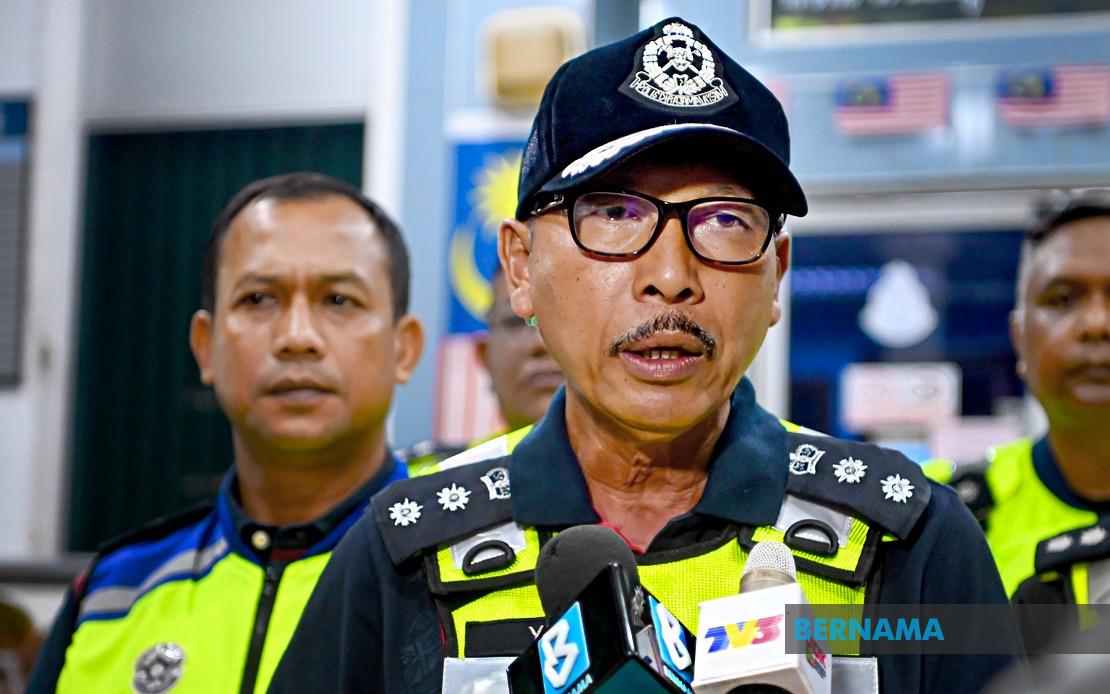
According to Seremban district police chief ACP Mohd Yatim Osman, the victim was positioned on the road shoulder facing towards Rantau at the time of the collision. Preliminary findings suggest the lorry first struck a signpost before its trajectory brought it into contact with the worker stationed nearby. The impact proved catastrophic; the victim sustained severe injuries to the face and head and was pronounced dead at the scene, ending any hopes of emergency intervention.
The circumstances surrounding the accident point to a deliberate disappearance by the driver involved. Rather than remaining to offer assistance or await police arrival, the lorry operator fled the scene immediately following the collision. This action has significantly complicated the investigation, as authorities lack a clear identification of the vehicle's registration number and have no eyewitness account of the driver's appearance or direction of travel. The unknown registration plate presents an additional investigative hurdle that may slow efforts to apprehend the person responsible.
For Malaysian observers accustomed to high-profile campaign activities, this incident underscores the unpredictable hazards that campaign volunteers face during election periods. Party activists regularly work in challenging conditions—often beside busy roads—to position promotional materials across constituencies. While traffic accidents during such work are not uncommon, fatal collisions remain relatively rare, making this death particularly shocking within the political community and for Seremban residents.
The police response has been swift in formally documenting the incident and appealing for public cooperation. Investigators are pursuing the case under Section 41(1) of the Road Transport Act 1987, which addresses hit-and-run offences. ACP Mohd Yatim has called on any member of the public with relevant information to contact investigating officer Insp Nor Fadzilah Mohd Zainuddin at 019-4611794, or to reach the IPD Seremban Operations Room on 06-6033222. Such appeals are standard procedure in hit-and-run cases, yet they highlight the investigative challenges authorities face when the perpetrator has vanished.
The death raises broader questions about workplace safety protocols for campaign workers during election seasons. While political parties typically mobilise thousands of volunteers for flag installation, signage placement, and promotional activities, formal safety briefings or accident prevention measures remain inconsistent across organisations. In an environment where workers position themselves near high-traffic roads—often during peak driving hours—the risks of vehicular accidents escalate considerably.
The incident also reflects the reality that Negeri Sembilan's electoral calendar, like most state and federal elections in Malaysia, generates substantial volunteer activity in a compressed timeframe. Campaign teams rush to saturate constituencies with visible party symbols, and this pressure occasionally creates shortcuts in safety planning. The victim's work assignment was entirely routine within election contexts, yet it resulted in tragedy through circumstances that remain partly unexplained.
For the families and supporters of the deceased, this tragedy carries profound personal loss. Campaign workers, whether motivated by party loyalty or remuneration, are typically ordinary citizens contributing their time and effort to democratic processes. That such participation ended fatally during ordinary campaign duties has sparked reflection within political circles about the responsibilities organisations bear toward their volunteers.
Authorities have indicated that investigations remain ongoing, suggesting that tracking down the lorry and its driver remains an active priority. CCTV footage from nearby establishments, additional eyewitness accounts from passing motorists, or vehicle damage records may eventually provide the breakthrough needed to identify those responsible. The deliberate flight from the scene compounds the severity of potential charges the driver could face once apprehended.
This incident also intersects with Malaysia's broader traffic safety challenges. Hit-and-run offences represent a persistent problem across the country, with some drivers fleeing scenes to avoid accountability or because they were operating vehicles illegally. Public campaigns emphasising the legal and moral obligations of drivers involved in accidents continue, though enforcement and public compliance remain inconsistent.
The Negeri Sembilan state election, for which campaign preparations were underway, will proceed according to schedule despite this tragedy. Political parties will likely redouble their safety instructions to volunteers, though comprehensive industry-wide standards remain absent. This death serves as a sobering reminder that democratic engagement, while essential, carries genuine occupational hazards for those who contribute their labour to political campaigns.

