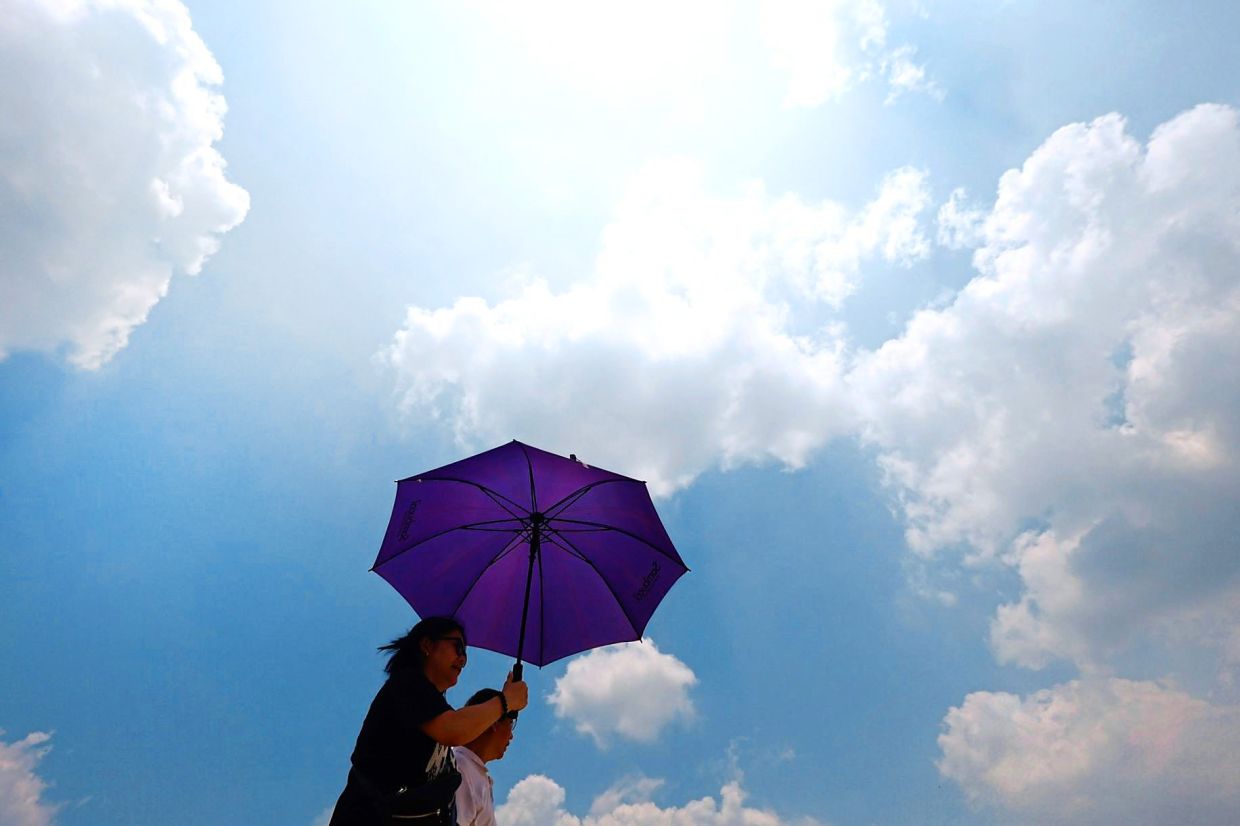
The World Health Organization issued a stark warning on June 30, 2026, declaring that heatwaves will become a defining feature of coming summers—more frequent, more intense, and longer-lasting than ever before. This forecast emerged following a particularly deadly spell of record-breaking temperatures that swept across Europe, claiming dozens of lives. WHO Europe regional director Dr Hans Kluge framed the crisis not as isolated incidents but as recurring catastrophes that societies must prepare to manage repeatedly. The trajectory is clear: heatwaves are transitioning from exceptional events to predictable, annual threats that demand urgent adaptation strategies.
While the human body possesses some capacity to adjust to rising temperatures, that flexibility operates within narrow boundaries, according to medical meteorologist Kathrin Graw, a specialist at Germany's national weather service, the Deutscher Wetterdienst. The challenge intensifies dramatically as heat persists day after day. Each additional day of sustained high temperatures imposes mounting physiological strain, as the body's cooling mechanisms become progressively exhausted and recovery becomes increasingly difficult.
The nocturnal environment proves particularly troublesome in this equation. When nighttime temperatures remain elevated, the body loses its traditional opportunity to cool and restore itself through rest. Sleep quality deteriorates substantially under such conditions, leaving people less resilient to face the next day's heat stress. This compounding effect—where daytime suffering is followed by insufficient nighttime recovery—creates an escalating cycle of physical and mental exhaustion that severely compromises wellbeing and survival prospects.
Research from the DWD underscores the lethal consequences of prolonged heat exposure. Statistical analysis reveals an alarming correlation between heatwave duration and mortality rates. In the initial days of extreme heat, excess deaths among those with cardiovascular disease rise by 8.5 percent. However, this figure surges dramatically as a heatwave persists into its second and third weeks. By the eleventh and twelfth days of continuous heat stress, cardiovascular patients face an 18 percent increased mortality risk compared to periods of normal temperatures. This pattern demonstrates that adaptation does not occur; instead, vulnerability accumulates with each passing day.
The human organism does exhibit some capacity for heat acclimation during summer months, Graw explained. Weather forecasting services incorporate this understanding into their warning systems. Temperature thresholds for heat alerts are deliberately set lower in early summer or following cooler periods, recognizing that populations need time to acclimate. By late summer, when bodies have adjusted somewhat to warmer conditions, warning thresholds rise accordingly. This graduated approach acknowledges physiological realities while attempting to protect populations across seasonal transitions.
The critical question facing climate scientists and public health officials concerns long-term adaptation. As climate change accelerates warming globally, can human physiology learn to tolerate progressively higher temperatures over years and decades? Limited evidence suggests some capacity exists. Residents of warmer nations, particularly in southern regions with centuries of experience managing heat, do show somewhat lower heat-related mortality rates than populations in cooler northern countries. This geographic variation hints that cultural practices, housing design, behavioral patterns, and possibly genetic factors may confer modest protective advantages.
However, Graw cautioned strongly against misinterpreting this limited evidence as grounds for optimism. Long-term adaptation to elevated temperatures operates under strict constraints and cannot proceed indefinitely. The fundamental obstacle is the pace of change itself. Climate change has accelerated dramatically in recent years, presenting temperature increases far too rapid for meaningful biological adaptation. Evolution requires generations; societies need decades. The transformation underway unfolds in mere years, outpacing any realistic adjustment capacity.
Vulnerable populations face disproportionate risks in this warming world. Elderly individuals experience particular danger, as aging cardiovascular systems struggle to regulate temperature effectively. Young children similarly lack physiological reserves. Pregnant women undergo metabolic changes that amplify heat stress. Individuals with pre-existing heart disease, respiratory conditions, or diabetes confront compounded health risks. These groups cannot simply wait for adaptation to occur; they require immediate, concrete protective measures.
For Southeast Asian readers, these warnings carry particular urgency. The region already experiences tropical and subtropical climates, and temperatures have been rising steadily. Nations like Malaysia, Thailand, and Indonesia have witnessed increasing heat-related health emergencies in recent years. While some populations possess greater familiarity with high temperatures, the acceleration of climate change means that even accustomed regions will face unprecedented heat levels within decades. The DWD research suggesting that 18 percent excess cardiovascular mortality occurs around day eleven of a heatwave implies that extended heat events pose existential threats to elderly populations throughout Southeast Asia.
The policy implications extend beyond individual adaptation strategies. If human bodies cannot meaningfully acclimate to rapidly accelerating temperature increases, society must prioritize aggressive emissions reduction and climate mitigation efforts. Simultaneously, nations must invest substantially in heat-resilient infrastructure, early warning systems, cooling centers, and healthcare capacity. The adaptation that matters most may not be biological but institutional—the capacity of governments, communities, and health systems to protect populations through planning and intervention rather than relying on bodies to adjust alone.

