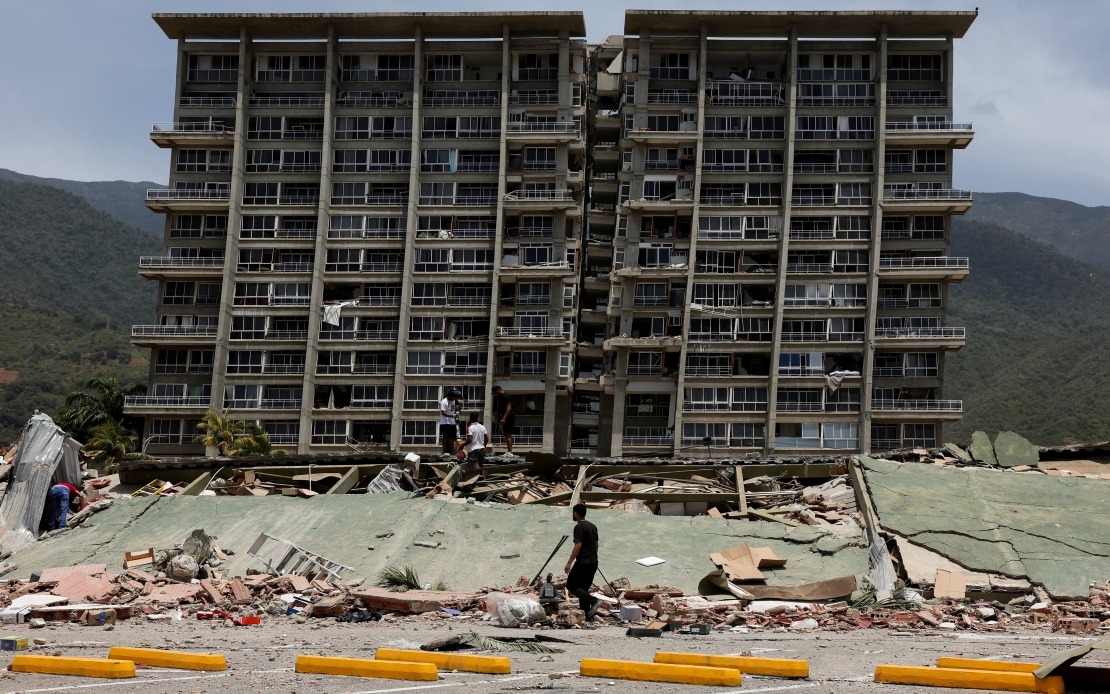
Canada has announced a US$5 million humanitarian assistance package to support Venezuela's emergency response following a series of devastating earthquakes that have claimed numerous lives and displaced hundreds of thousands of people. The decision, announced by the Canadian Foreign Ministry on Thursday, underscores growing international recognition of the scale and severity of the disaster unfolding in the South American nation.
The seismic events have triggered widespread destruction across Venezuelan communities, with the full extent of damage and casualties still being assessed as rescue and recovery operations continue. Canadian Foreign Minister Anita Anand characterised the devastation as heartbreaking, noting that entire families have perished and neighbourhoods have been rendered uninhabitable. The minister's statement reflects Canada's commitment to standing in solidarity with Venezuela during this critical period of national emergency.
The newly announced funding represents an expansion of Canada's existing humanitarian engagement with Venezuela. Earlier in the year, Ottawa had already allocated approximately US$4.5 million to address pressing humanitarian needs in the country. This additional investment signals a recalibration of international aid priorities in response to the earthquake crisis, demonstrating how natural disasters can rapidly reshape funding allocations within the global humanitarian framework.
Canadian officials estimate that hundreds of thousands of individuals across Venezuela face immediate threats to survival, lacking access to clean water, adequate food supplies, and basic medical services. The scale of this potential humanitarian catastrophe has prompted urgent calls for a substantial expansion of relief operations beyond current capacity levels. International humanitarian organisations operating on the ground have indicated that existing resources are severely stretched, with demand far outpacing available supplies and personnel.
The Canadian commitment will be directed through established humanitarian partners already operating within Venezuela's borders. These organisations will deploy funds toward specific interventions including emergency food distribution networks, water purification and sanitation infrastructure, mobile medical clinics, and shelter assistance programmes. Additionally, the funding will support protection services for vulnerable populations such as children, elderly persons, and individuals with disabilities, alongside the logistical frameworks necessary to move resources from distribution hubs to isolated affected communities.
Venezuela's humanitarian challenges extend well beyond the immediate earthquake crisis. The nation has endured years of economic and political instability that have weakened institutional capacity, degraded critical infrastructure, and created pre-existing vulnerabilities within the population. The seismic disaster arrives against this backdrop of fragility, potentially overwhelming already-stressed health systems, water utilities, and emergency services. This convergence of natural and structural crises demands coordinated international response calibrated to address both immediate needs and underlying systemic weaknesses.
For Malaysia and other Southeast Asian nations, Venezuela's situation offers instructive lessons regarding disaster preparedness and regional cooperation. While the region itself faces distinct seismic risks—particularly across Indonesia and the Philippines—the Venezuelan case illustrates how international partnerships and timely humanitarian investment can significantly mitigate suffering. Canadian involvement in Venezuelan relief operations reflects broader patterns wherein developed nations mobilise resources quickly following major disasters, a model that informs how regional institutions across Asia coordinate their own cross-border emergency response protocols.
Canadian officials have indicated they remain in active dialogue with regional partners and international humanitarian organisations as the situation develops. This ongoing engagement reflects recognition that initial assessments of disaster impact typically underestimate actual needs as full assessments become available. As recovery efforts progress and damage surveys expand, the funding landscape will almost certainly shift, with additional resources potentially required to address unanticipated secondary effects such as disease outbreaks, psychological trauma requiring mental health services, or infrastructure failures affecting water and sanitation systems across wider geographical areas.
The ministry committed to providing detailed breakdowns of fund allocation in the coming days, suggesting that operational planning and coordination mechanisms between Canadian agencies and humanitarian implementers are already advancing. This transparency reflects contemporary international best practices in aid delivery, wherein donor nations increasingly provide granular reporting on expenditures and outcomes. For Venezuelan authorities and populations, such clarity enables better understanding of how resources will be deployed and which communities can expect to receive prioritised assistance during the critical early phases of relief operations.
Beyond the immediate financial commitment, Canada's public acknowledgement of Venezuela's crisis carries diplomatic weight within multilateral forums and influences broader patterns of international attention. Media coverage, official statements, and humanitarian mobilisation by prominent donor nations establish normative expectations for response, potentially encouraging additional commitments from other countries and multilateral institutions. This demonstration effect remains significant, particularly as Venezuela has become a polarised geopolitical issue across various international contexts, with humanitarian framing often transcending ideological divisions to emphasise universal human needs.

