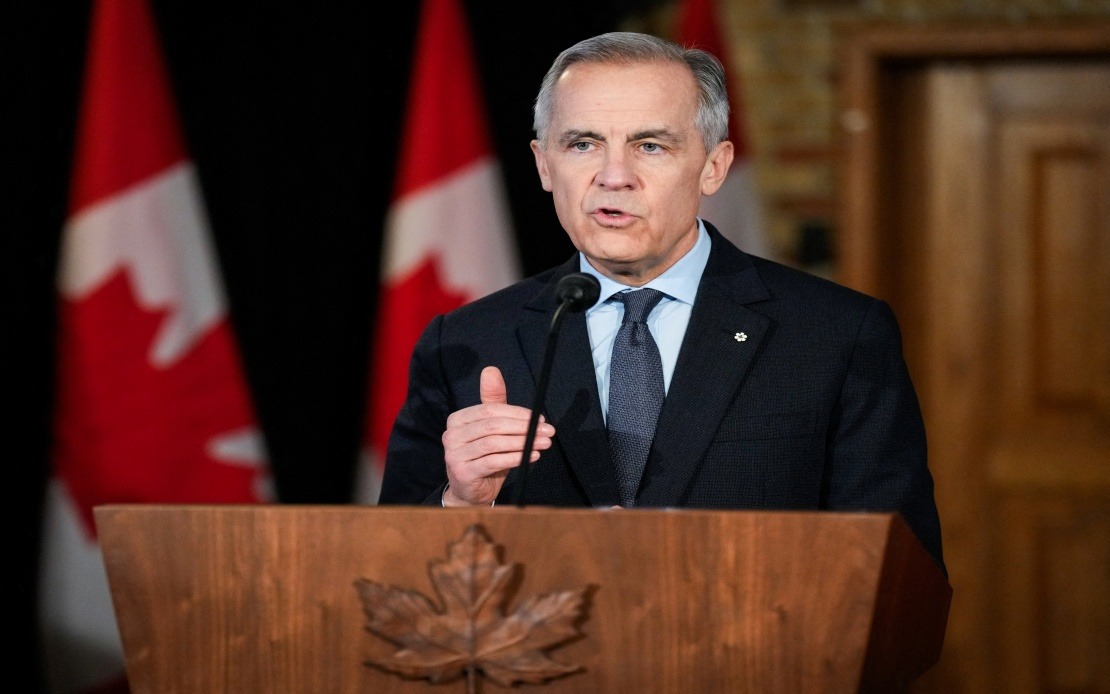
Canadian Prime Minister Mark Carney announced on Tuesday that the United States has temporarily shelved plans to impose sweeping 50 per cent tariffs on a broad range of Canadian goods, offering both nations a critical window to conclude their stalled trade negotiations. The reprieve, which extends until the end of business on August 21, came after overnight discussions between Carney and President Donald Trump, signalling that the two neighbours are edging towards a potential breakthrough despite months of escalating trade tensions.
The tariff pause represents a tactical shift in Trump's approach to North American trade relations. Rather than implementing the threatened duties immediately, the American president has chosen to leverage the threat as a negotiating tool, effectively giving Canada a deadline to capitulate on key demands. For Carney's government, the extension provides a narrow but meaningful opportunity to salvage critical trade arrangements without triggering the full economic damage that the proposed tariffs would inflict on Canadian exporters and manufacturers.
Carney's statement, released on Wednesday morning, struck a measured tone that attempted to project confidence while acknowledging the precariousness of the situation. The prime minister noted that "substantial progress" had been achieved during recent discussions, language designed to signal movement to domestic audiences and markets while avoiding overconfidence that might weaken Canada's negotiating position. However, his explicit caveat that "important work still to be done" underscored the distance remaining between the two countries' positions on critical trade issues.
The timing of this latest development carries significant implications for the broader North American trade architecture. The threat of tariffs on such a large scale would have disrupted supply chains across multiple sectors, from automotive manufacturing to agricultural exports, sectors in which Canadian producers maintain substantial integration with American firms. Small and medium-sized enterprises that depend on cross-border trade would have faced immediate pressure, potentially triggering cascading effects through the continental economy.
For Malaysia and other Southeast Asian nations watching these developments, the US-Canada trade tensions serve as a cautionary reminder of the volatility that can characterise trade relations with the United States under the Trump administration. The willingness to deploy tariff threats as negotiating leverage suggests that companies across the region should anticipate similar pressure tactics if they maintain significant trade exposure to American markets. The ability of larger trading partners like Canada to extract even brief reprieves through high-level negotiations may be unavailable to smaller economies with less strategic leverage.
Carney's emphasis on Canada's commitment to enhancing economic independence and competitiveness reflects a longer-term strategic calculation. Beyond the immediate crisis, the Canadian government appears to be signalling that it will invest in diversifying its trade relationships and reducing dependence on American markets as an insurance policy against future tariff shocks. This reorientation could reshape North American trade patterns and create opportunities for alternative suppliers in Southeast Asia and other regions.
The narrow timeline until August 21 introduces considerable uncertainty for Canadian businesses and investors. Companies cannot commit to major purchasing decisions or long-term contracts without clarity on whether tariffs will actually take effect, effectively freezing economic activity in sectors vulnerable to the threatened duties. This uncertainty tax damages productivity and investment regardless of whether the tariffs ultimately materialize, a dynamic that extends beyond the formal duration of any pause.
The substance of the remaining negotiations remains opaque, though historical patterns suggest that disputes centre on agricultural access, labour standards, and manufactured goods classifications. Canada has consistently sought to protect its dairy, poultry, and egg sectors, while the United States has demanded greater market access in these areas. Environmental and labour provisions also appear to be contentious, with the Trump administration potentially seeking weaker standards than those advocated by Canadian negotiators.
From a regional perspective, the Canadian precedent demonstrates how bilateral trade disputes can influence broader commercial relationships. If Canada successfully negotiates a deal that includes significant concessions on particular sectors or standards, other trading partners may face pressure to match those concessions or risk losing competitive standing. Conversely, if the tariffs take effect despite ongoing talks, the ripple effects could inspire protectionist measures elsewhere, creating a more fragmented global trading environment.
The political stakes for both leaders are substantial. Carney faces domestic pressure to avoid capitulating on issues central to Canadian interests, while Trump needs to demonstrate that his tariff strategy achieves tangible results. The August 21 deadline represents a natural breaking point where one side or the other will need to make consequential decisions about whether to continue negotiations, implement tariffs, or seek some intermediate compromise.
Markets have responded cautiously to the news of the tariff pause, with investors apparently unconvinced that a permanent resolution is imminent. The brevity of the extension suggests that negotiators are working under extreme time pressure, a condition that often produces either rushed agreements with unintended consequences or outright breakdowns. Neither outcome serves the interests of North American businesses or workers who depend on stable cross-border trade relationships.

