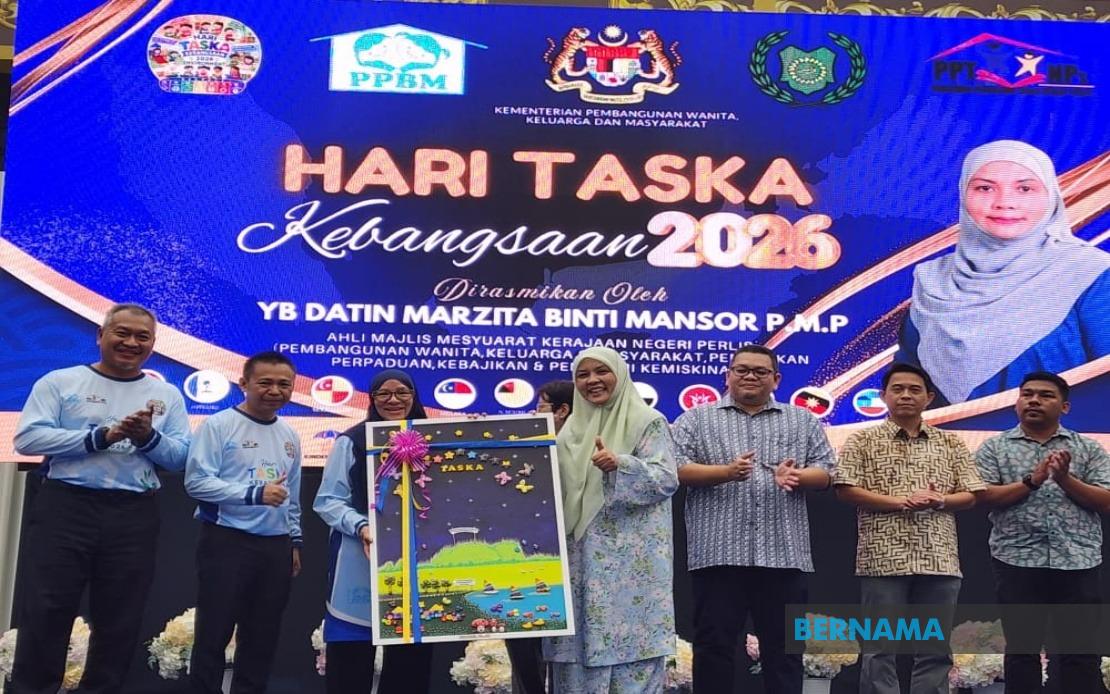
Malaysia's childcare sector must fundamentally shift its approach to prioritise the rights and dignity of every child, not merely their physical survival, according to the Association of Registered Childcare Providers Malaysia. The call comes as the nation prepares to commemorate 2026 National Childcare Day under the theme "The Environment as a Driver of Holistic Child Development", with ceremonies held in Kangar marking a renewed focus on elevating standards across the industry.
Adjunct Professor Norsheila Abdullah, president of the childcare association, has articulated a vision that extends conventional caregiving far beyond the basic provision of meals and hygiene maintenance. Her position aligns with the principles enshrined in the Convention on the Rights of the Child, an international framework that Malaysia has committed to upholding. By embedding these principles into daily practice, childcare centres can create foundations for genuine child welfare and development, she contends. This framework demands a fundamental rethinking of what "quality" means in early childhood settings, moving away from a purely custodial model toward one that recognises children as rights-bearing individuals.
The distinction Norsheila drew is critical: evaluating childcare solely on whether children receive sustenance, cleanliness and physical oversight misses the deeper imperatives of protection, emotional nurturing, meaningful relationships and cognitive enrichment. She emphasised that the essential question confronting the childcare sector is not whether children have simply been looked after, but whether they have been safeguarded, valued, listened to and permitted to flourish as distinct persons with inherent dignity. This philosophical reorientation carries significant implications for how childcare facilities design their programmes, train their staff and measure their success.
The Perlis Women, Family and Community Development, Education, Unity, Welfare and Poverty Eradication Committee chairman, Datin Marzita Mansor, officiated the National Childcare Day event, underscoring government recognition of early childhood development's strategic importance. The ceremonial backing suggests policymakers increasingly understand that investments in childcare infrastructure and standards yield long-term dividends for social cohesion and national development. This institutional support creates momentum for translating rhetoric into actionable change across Malaysia's diverse childcare landscape, from urban franchised centres to informal rural arrangements.
Norsheila stressed that establishing secure, nurturing, welcoming and stimulating environments for children represents a collective obligation that cannot be delegated to childcare providers alone. Parents, families, communities and broader society must recognise their complementary roles in this ecosystem. The notion of "shared responsibility" proves especially pertinent in Malaysia's multicultural context, where varying cultural expectations, socioeconomic realities and family structures mean childcare arrangements differ substantially across the nation. Building consensus around universal standards while respecting cultural diversity requires sophisticated dialogue among stakeholders.
The association has also championed the principle of "no child left behind" as a guiding framework for childcare practice. This commitment translates into creating environments that actively accommodate children with diverse requirements, including those needing specialised educational support or therapeutic intervention. Implementing inclusive childcare demands investment in staff training, curriculum adaptation and facilities infrastructure—costs that may strain providers operating on tight margins. Yet the long-term benefits of early identification and intervention for children with developmental delays or learning differences justify such expenditure from both humanitarian and economic perspectives.
Child safety and protection emerged as non-negotiable elements in Norsheila's formulation of quality childcare. All personnel involved in childcare settings must develop heightened awareness of indicators suggesting abuse, neglect or environmental hazards, then act decisively to maintain protective conditions. This vigilance proves especially crucial given Malaysia's ongoing child welfare challenges, including instances of abuse in institutional settings that have prompted public concern. Building organisational cultures where staff feel empowered to report concerns without fear of repercussion or professional consequence remains an ongoing challenge requiring leadership commitment.
The neurological and psychological research underpinning early childhood development demonstrates conclusively that children raised within safe, emotionally warm environments build stronger neural architecture supporting physical maturation, emotional regulation, social competence, cognitive processing and moral character formation. These outcomes extend far beyond individual flourishing to shape labour market productivity, crime rates, public health metrics and social stability across generations. From a national development perspective, therefore, Malaysia's investment in quality childcare represents not a welfare expenditure but a critical human capital strategy.
The 2026 National Childcare Day theme emphasising environmental factors reflects growing recognition that physical spaces, access to nature, learning materials and community connections profoundly influence child development trajectories. This expanded framing moves beyond the traditional institutional model—where childcare happens exclusively within four walls—toward appreciating how design elements, outdoor access and community engagement enhance developmental outcomes. Malaysian childcare providers increasingly have opportunities to reimagine their facilities and practices through this environmental lens.
Implementing these principles at scale across Malaysia's heterogeneous childcare sector presents formidable challenges. Regulatory capacity, resource constraints, workforce professionalisation gaps and public funding limitations all constrain progress. Yet the articulation of rights-based childcare standards by industry leadership creates a template for incremental improvement and a benchmark against which existing practices can be evaluated. As Malaysia continues developing its early childhood infrastructure, ensuring that expansion occurs within a framework prioritising children's rights and holistic development rather than mere provision will shape whether this generation benefits from genuinely transformative care experiences.

