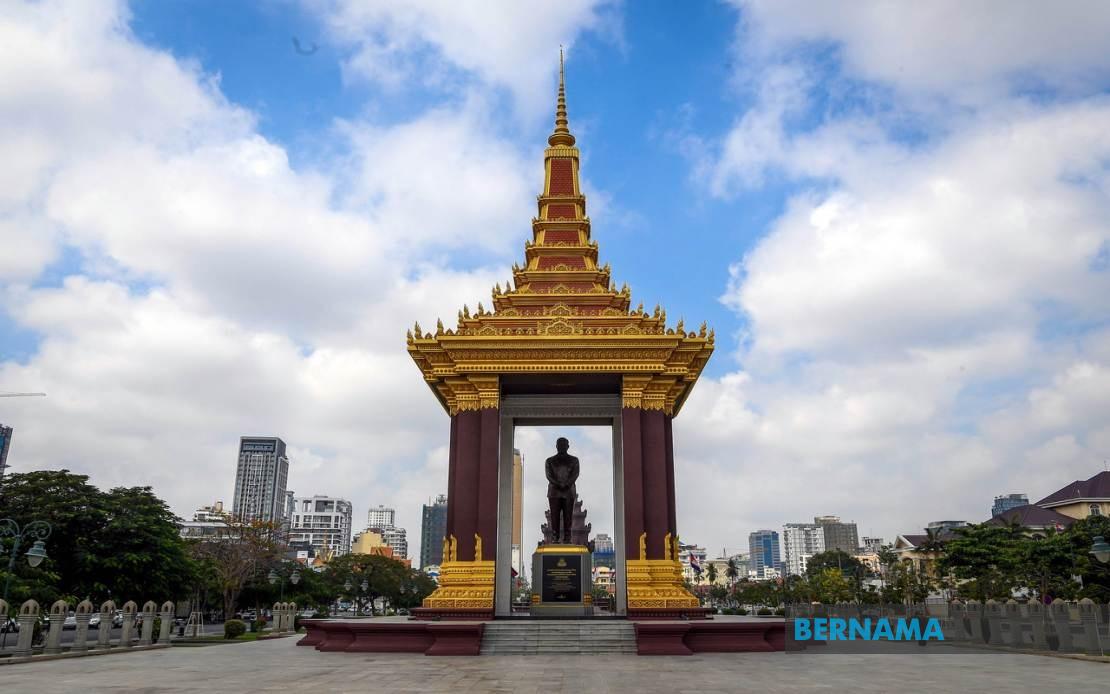
Southeast Asian governments moved on multiple fronts this week to reshape their economies and strengthen regional ties, with China's renewed emphasis on Cambodia serving as a bookend to broader technology and sustainability initiatives sweeping the region. Chinese Premier Li Qiang's affirmation of the "ironclad" friendship with Cambodia underscores Beijing's continuing strategic investment in a nation it views as a crucial ally, with the talks between Li and Cambodian Prime Minister Hun Manet demonstrating how diplomatic engagement remains a cornerstone of regional statecraft even as nations jostle for technological advantage.
Cambodia's entrance into global artificial intelligence governance represents a pivotal moment for a nation seeking to position itself at the forefront of emerging technologies. By becoming a founding signatory to the Agreement on the Establishment of the World Artificial Intelligence Cooperation Organisation in Shanghai, Cambodia joins an exclusive club of nations shaping how AI is governed internationally. This move carries significance beyond symbolic value—it signals Cambodia's determination to participate meaningfully in the institutions that will define technological standards and practices for decades to come, rather than remaining a passive adopter of foreign systems.
Indonesia's development ambitions took tangible form with President Prabowo Subianto's announcement of plans for up to 50 new ethanol plants nationwide. The E20 fuel program, which mandates a minimum 20 percent bioethanol blend, represents a sophisticated strategy to leverage Indonesia's agricultural output while reducing reliance on imported fossil fuels and lowering carbon emissions. The scale of this initiative—potentially reshaping the nation's fuel infrastructure—underscores how Jakarta views biofuel development not merely as an environmental measure but as a cornerstone of economic resilience and agricultural sector integration.
Complementing Indonesia's energy strategy is the planned launch of a national electric motorcycle, a decision that reveals sophisticated thinking about motorisation and climate goals among developing economies. Rather than simply adopting foreign automotive technologies, Indonesia is designing an electric two-wheeler tailored to domestic usage patterns and manufacturing capabilities, acknowledging that the future of personal transportation in Southeast Asia will likely differ substantially from wealthy nations' experience. This approach could serve as a template for other regional states grappling with how to transition mobility systems while protecting domestic industries.
Myanmar's commitment to integrated coastal management reflects the urgent environmental challenges facing Southeast Asia's long shorelines. The framework drawing on green, blue, and circular economy principles aims to balance ecosystem protection with livelihood generation for millions depending on marine resources. Simultaneously, the MSME Development Fund's focus on cotton cultivation and value-added processing—from cottonseed oil extraction to yarn production—demonstrates how governments are attempting to create employment chains rather than relying on raw material exports, a crucial lesson for developing economies seeking to capture greater value from agricultural sectors.
Singapore's Central Narcotics Bureau operations yielded significant results this month, with the seizure of more than S$34,000 worth of narcotics and arrest of 100 suspected offenders highlighting the persistent challenge of drug trafficking across the region. The islandwide scale of such operations underscores how Southeast Asian nations continue battling transnational criminal networks despite economic development and improved governance. Concurrently, Prime Minister Lawrence Wong's emphasis on mother tongue languages as connectors to cultural heritage and values reflects Singapore's determination to preserve multicultural identity even as the nation pursues technological advancement and global integration.
Thailand's educational achievement—with Grade 3 pupil Pavin Pattanavekin winning world-class coding awards alongside mathematics and science honours at Rome—demonstrates how excellence in technical education is percolating through Southeast Asian schooling systems. Such successes, whilst noteworthy for individual students, also signal broader investments in STEM education that may position the region competitively in future knowledge-based sectors. Conversely, Bangkok's experience with the Commerce Ministry's 40-baht khao kaeng meal subsidy scheme reveals the complexity of implementing support programs; vendors were already selling at that price point, suggesting that market realities sometimes outpace policy assumptions.
Philippines' weather outlook, marked by generally fair conditions and isolated thunderstorms, reflects the seasonal patterns governing agricultural and commercial activity across Southeast Asia. The southwest monsoon (habagat) season remains a crucial factor for farming communities and logistics operations throughout the region. Meanwhile, developments in the PBA Season 50 Governors' Cup indicate how sports remain a significant cultural and economic phenomenon, with basketball drawing consistent audience engagement across the Philippines and the broader diaspora.
The convergence of these initiatives—from China's diplomatic reaffirmation in Cambodia to Indonesia's ethanol and electric motorcycle strategies, Myanmar's coastal and agricultural development, Singapore's drug enforcement and cultural preservation, Thailand's technical education breakthroughs, and Philippines' seasonal patterns—reveals Southeast Asia navigating a complex transition. These nations are simultaneously managing security challenges, environmental imperatives, economic diversification, technological adoption, and social cohesion. The week's developments suggest that regional success will depend not on adopting any single model but on tailoring responses to distinct national circumstances while maintaining enough regional coordination to address transnational concerns from drug trafficking to climate change.

