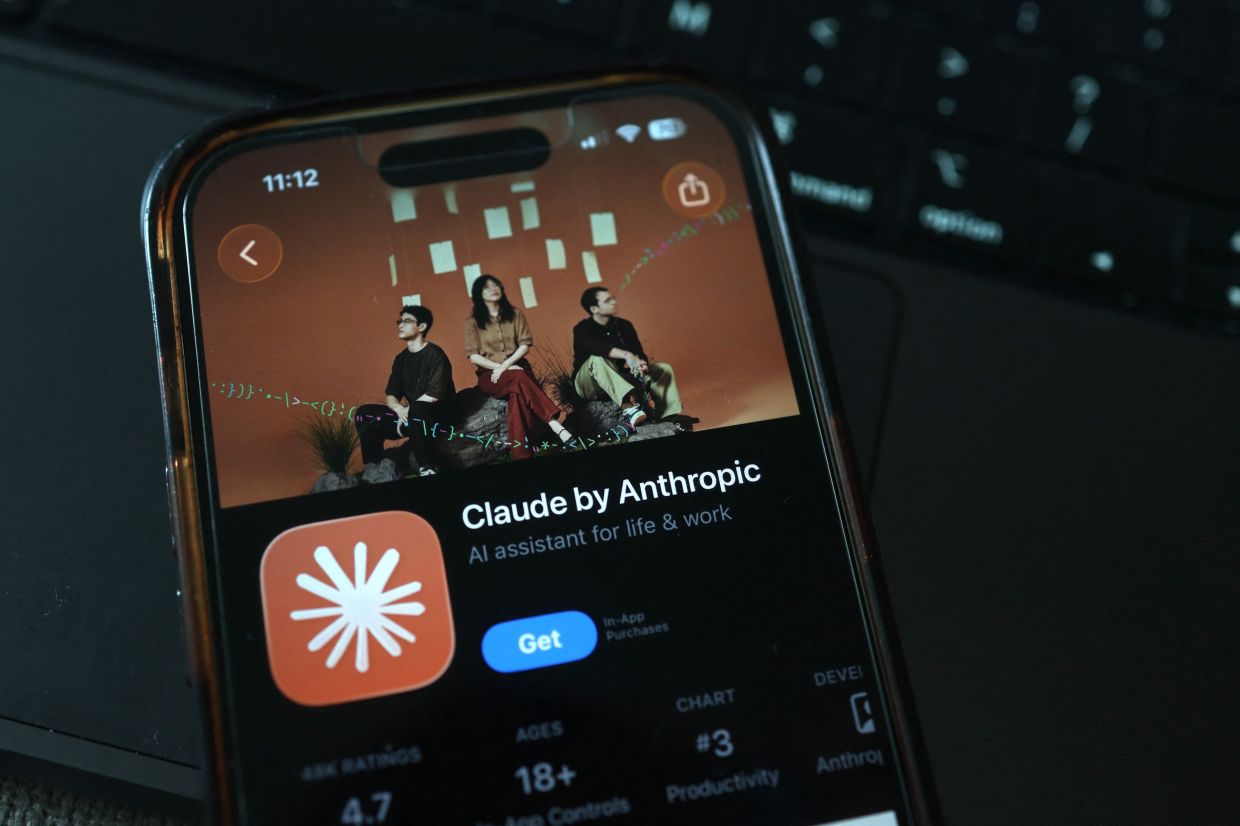
China's National Vulnerability Database has raised alarm over potential security vulnerabilities embedded within Anthropic's Claude Code, an artificial intelligence-powered coding assistant that can generate, debug, and review computer code based on user instructions. The Beijing-affiliated cybersecurity platform alleges that the tool contains a backdoor mechanism capable of transmitting sensitive user data—including location information and identity markers—to Anthropic's servers without explicit consent, representing what officials describe as a critical threat to information security.
The allegations, initially surfaced by technology specialists, have triggered immediate corporate responses within China's tech sector. Alibaba, the country's e-commerce and cloud computing behemoth, announced an internal ban on Claude Code usage beginning July 10, citing unspecified security vulnerabilities. The decision reflects broader anxieties within Chinese organizations about deploying Western-developed AI tools that could potentially facilitate unauthorised data collection or surveillance, particularly given the fraught geopolitical relationship between Beijing and Washington.
Anthropoic's approach to market access has already incorporated geographic restrictions, actively preventing users in China and other nations it classifies as strategically adversarial from directly accessing its services through official channels. However, this technical gatekeeping remains circumventable through virtual private networks and proxy intermediaries, ensuring that determined users can still leverage the platform. The existence of such workarounds underscores the challenges technology companies face in enforcing regional compliance while serving globally distributed user bases.
China's National Vulnerability Database, operating under the stewardship of the Ministry of Industry and Information Technology, issued a formal advisory urging institutions and individuals to conduct immediate security audits and either completely uninstall Claude Code or migrate to purportedly patched versions that have removed the questionable code segments. The agency additionally recommended that organizations intensify their network monitoring capabilities to detect and prevent covert data exfiltration attempts, suggesting a presumption that the alleged vulnerability may have already been exploited.
The timing and substance of these allegations must be understood within the context of escalating technological competition and mutual accusations between American and Chinese technology firms. Anthropic has previously leveled charges against Alibaba, asserting that the Chinese company engaged in reverse-engineering of its artificial intelligence models through a technique called distillation—a process where one AI system learns from another's outputs to replicate its capabilities without purchasing legitimate access. Such allegations of intellectual property theft and model theft have become increasingly commonplace in the AI sector, where proprietary training methods and datasets represent enormous competitive advantages.
Claude Code engineer Thariq Shihipar addressed the controversy through a social media post, characterizing the disputed functionality as an experimental measure initiated in March specifically designed to combat account misuse by unauthorized resellers and to safeguard against precisely the kind of model distillation that Anthropic has accused Alibaba of undertaking. Shihipar's explanation suggests that the data collection mechanism was intentionally implemented as a defensive measure rather than a malicious surveillance tool, though this framing does little to mitigate concerns about user privacy and data sovereignty.
According to Shihipar's statement, the engineering team had already developed more sophisticated mitigation strategies to replace the previous approach and had intended to deactivate the original mechanism weeks prior to public disclosure of the vulnerability. He indicated that a complete rollback would occur in the July 2 release cycle, suggesting that Anthropic had been operating with knowledge of the issue but had not publicly communicated the matter to users or relevant authorities before media and cybersecurity investigations surfaced the concern.
For Malaysian and Southeast Asian technology professionals and enterprises, the Claude Code controversy illustrates the mounting risks associated with integrating foreign-developed AI systems into organizational workflows without rigorous independent security assessment. Many regional companies have begun adopting Anthropic's tools as part of broader digital transformation initiatives, yet few possess the technical capabilities to audit proprietary AI systems or verify the security claims made by overseas developers. The incident underscores the necessity for government authorities and private sector bodies across Southeast Asia to establish robust frameworks for evaluating and certifying AI tools before permitting widespread organizational deployment.
The incident also highlights the broader geopolitical dimension underlying technology adoption decisions in the region. As the United States and China compete for technological supremacy and regional influence, developing nations must carefully navigate between adopting cutting-edge Western tools and managing legitimate national security concerns. The lack of transparency surrounding AI systems' data collection practices, combined with the opacity of Anthropic's initial response and the reactive nature of its security disclosures, suggests that users and regulators across Asia require stronger enforcement mechanisms and mandatory disclosure requirements.
Looking forward, the Claude Code episode is likely to accelerate demand for alternative AI coding tools developed domestically or by trusted regional partners, particularly among Chinese and other Asian organizations that view American technology companies with heightened suspicion. This trajectory could reshape the competitive landscape for AI development platforms, potentially fragmenting global markets along geopolitical lines and reducing the interoperability of software development tools across borders. Southeast Asian policymakers should consider how to balance the competitive advantages gained from accessing world-class AI technology against the security and sovereignty implications of relying on systems operated by foreign entities with unclear data handling practices.

