China's Ministry of Foreign Affairs has officially expressed appreciation for Prime Minister Datuk Seri Anwar Ibrahim's recent comments affirming the one-China principle, particularly his stance on Taiwan. The endorsement, posted on social media by the ministry's spokesperson on Wednesday, reflects Beijing's satisfaction with Malaysia's diplomatic positioning on one of the most sensitive geopolitical issues in the region.
During an interview with international media outlet Al Jazeera, Anwar articulated Malaysia's longstanding position clearly, stating that he regards Taiwan as an integral part of China and emphasizing the universal acceptance of this principle globally. This public affirmation carries significant weight in regional diplomacy, as Malaysia's stance influences broader Southeast Asian attitudes toward Beijing's territorial claims and reunification objectives.
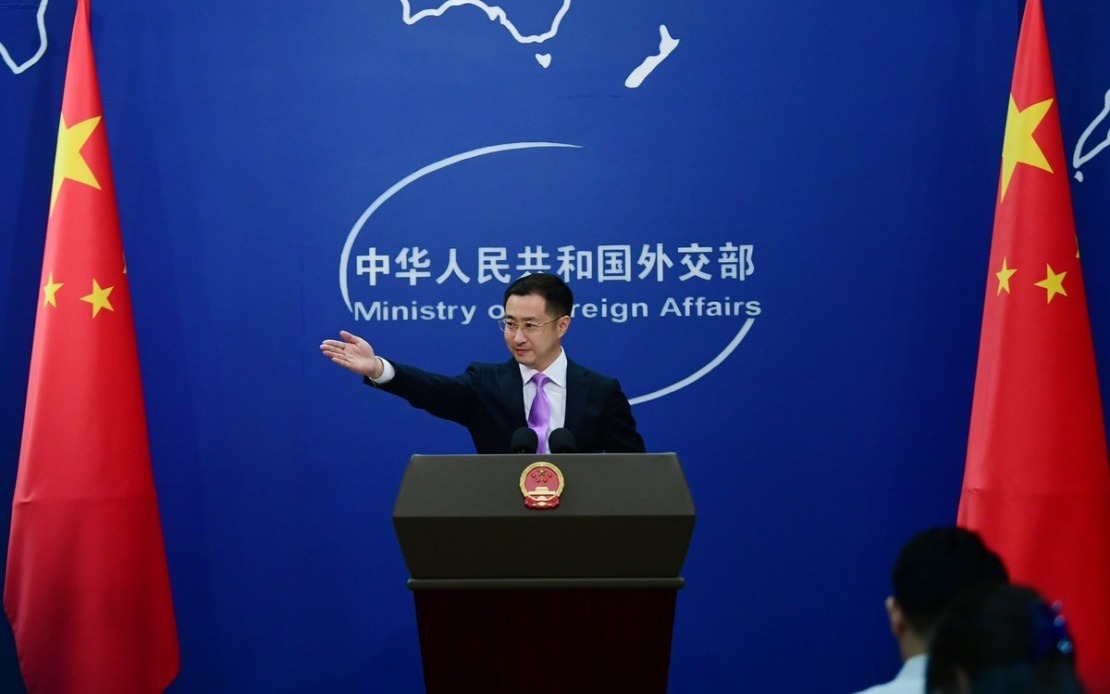
Chinese foreign ministry spokesperson Lin Jian reinforced Beijing's messaging at a press briefing in the capital, asserting that the one-China principle enjoys widespread international recognition and reflects the genuine desires of the global community. Lin's remarks underscored that Taiwan's status as an inalienable component of Chinese territory remains non-negotiable from Beijing's perspective, characterizing the path toward reunification as an inevitable historical progression that cannot be interrupted or reversed.
For Malaysia, maintaining this diplomatic clarity serves multiple strategic purposes. As a nation with substantial economic ties to both China and Taiwan, and as a key player in Southeast Asian regional organizations, Malaysia's explicit alignment with Beijing's position on sovereignty issues helps stabilize bilateral relations and demonstrates consistency in foreign policy. The public recognition from China's leadership validates Malaysia's diplomatic approach and may strengthen economic and political cooperation between the two nations.
The timing of Anwar's remarks and China's subsequent commendation reflects ongoing efforts by Beijing to consolidate international support for its territorial and political claims. In recent years, China has increasingly sought public endorsements from nations across Asia, Africa, and Latin America to counter what it views as Western interference in its internal affairs. Malaysia's unambiguous statement provides Beijing with a prominent voice from Southeast Asia, a region where China has substantial geopolitical and economic interests.
This exchange also highlights the delicate balancing act that Malaysia and other Southeast Asian nations must perform in their foreign relations. While maintaining strong economic partnerships with China—a major investor and trading partner—these nations simultaneously engage with democratic allies and other regional powers. Anwar's remarks suggest that Malaysia has chosen to emphasize its alignment with Beijing's position while preserving practical commercial relationships with Taiwan, which remains a significant economic actor in the region.
For Malaysia's domestic political context, Anwar's clear articulation of the one-China principle may also serve to address any potential criticism from Beijing regarding Malaysian foreign policy. By publicly reiterating this position to international media, the Prime Minister ensures that Malaysia's diplomatic credentials remain beyond reproach in Beijing's assessment, potentially facilitating smoother bilateral negotiations on economic, trade, and investment matters.
The broader regional implications of such statements extend beyond bilateral Malaysia-China relations. Other Southeast Asian nations closely monitor how their peers handle these sensitive diplomatic issues, as they often face similar pressures and considerations. Malaysia's clear positioning may influence how other nations in the region articulate their own policies, particularly those seeking to maintain good relations with China while managing complex geopolitical circumstances.
China's public appreciation of Anwar's remarks, conveyed through official ministry channels and social media platforms, demonstrates the importance Beijing attaches to securing explicit verbal support for its core political positions. Such endorsements carry diplomatic weight and provide Beijing with evidence of international consensus, which it can deploy in future discussions with other nations or international organizations regarding sovereignty and territorial integrity matters.
The alignment between Malaysia's position and China's expectations reflects a pragmatic approach to foreign policy that prioritizes economic interests and regional stability. For Malaysia, a country navigating complex relationships across multiple powers and priorities, maintaining clarity on fundamental principles like the one-China policy serves as a stable foundation upon which to build mutually beneficial relationships while managing potentially competing interests.
Moving forward, this explicit reaffirmation of the one-China principle by Malaysia's leadership is likely to feature prominently in Chinese official statements and diplomatic communications, serving as a touchstone for discussions about regional consensus and international support for Beijing's core political objectives. It underscores how smaller and medium-sized powers often use clear diplomatic positioning to manage relationships with major powers while preserving their overall foreign policy flexibility on other issues.

