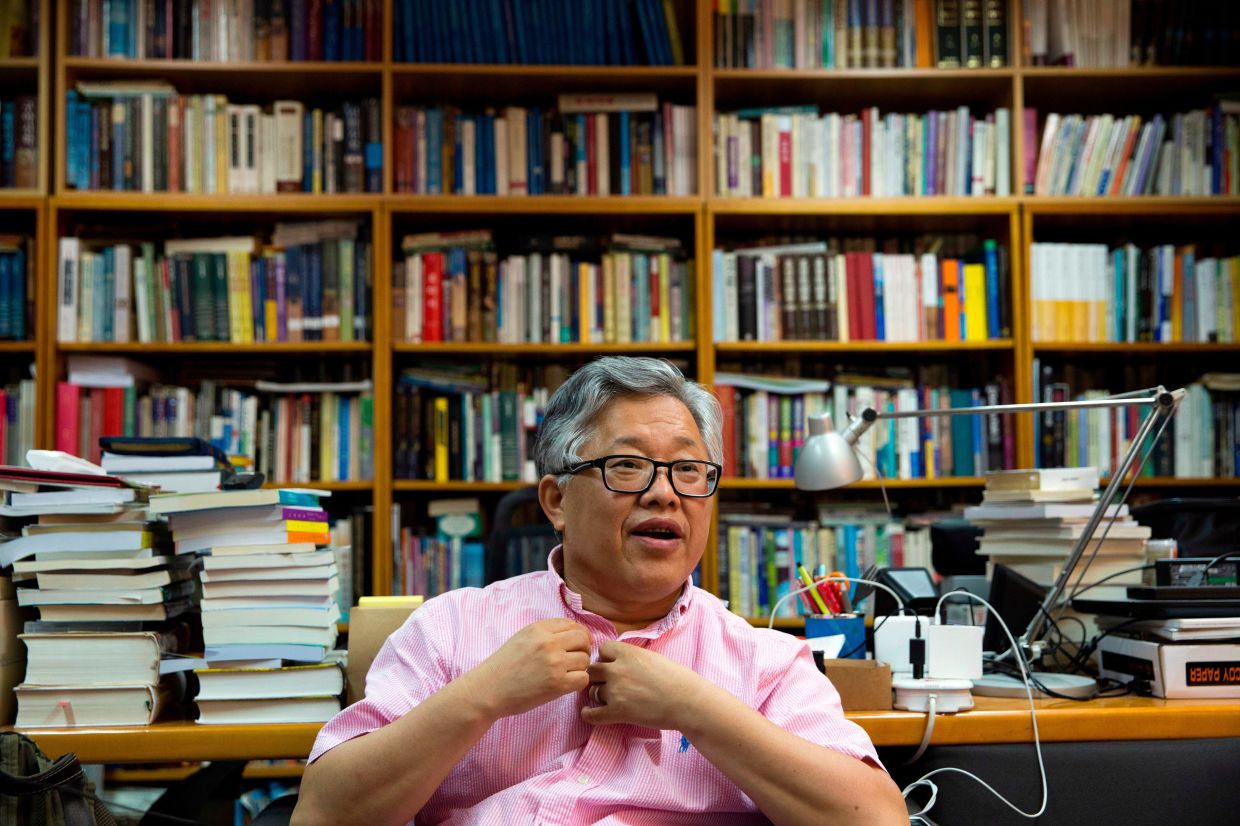
China has freed Ezra Jin, the pastor who established Zion Church, one of the country's most prominent unregistered Christian congregations, after being held in detention for nine months. The release, confirmed by both his family and the rights monitoring organisation ChinaAid, marks a rare instance of Beijing responding to international pressure on a religious freedom issue. US President Donald Trump had publicly raised Jin's case during his May visit to Chinese leader Xi Jinping, pledging that the Chinese president would give the matter serious consideration.
Jin, whose Chinese name is Mingri, was apprehended on October 10 alongside several other church members under accusations of unlawfully operating information networks. The charges appear to relate to the pastor's efforts to maintain online communications and worship services, particularly during the Covid-19 pandemic when physical gatherings became restricted. He has now arrived in Los Angeles following his release, according to statements from his support network.
The timing of Jin's release carries diplomatic significance. Chinese officials explicitly informed him that the decision resulted from conversations between Trump and Xi, presenting it as a gesture of goodwill that coincided with the American Independence Day celebrations. This framing underscores the delicate nature of the negotiations, suggesting that Beijing sought to balance international pressure with domestic political considerations around religious oversight.
Zion Church represents a distinctive phenomenon within China's religious landscape. Established in Beijing in 2007, the congregation expanded to encompass approximately 1,500 members before the authorities forced its closure in 2018 through escalating administrative pressure. Despite the physical shutdown, the community maintained a vibrant digital footprint that expanded substantially when Covid-19 lockdowns commenced, eventually reaching followers across more than forty Chinese cities through online platforms.
Jin's personal sacrifice for his faith reveals the profound tensions between religious conscience and state authority in contemporary China. Although his family relocated overseas following the 2018 crackdown, Jin made the deliberate choice to return to mainland China to continue pastoral work. This decision resulted in a travel ban that prevented him from leaving the country, and he has been separated from most family members, including two young sons, for over seven years.
The detention of Jin and his congregants exemplifies a broader pattern of intensified scrutiny targeting unregistered religious organisations under Xi Jinping's leadership. The Communist Party has traditionally approached independent religious movements with considerable wariness, viewing them as potential sources of social mobilisation outside state control. Under the current administration, this ideological suspicion has translated into concrete enforcement actions against numerous faith communities.
Recent months have witnessed accelerated crackdowns across multiple provinces. In June, authorities raided an Early Rain Covenant Church service in Sichuan province's southwestern region, detaining two leadership figures. This operation followed earlier arrests in January of several prominent members of the same congregation. Simultaneously, officials in Zhejiang province's eastern zone dismantled a Yayang church facility, methodically removing its cross and constructing scaffolding around the structure.
The Zion Church continues facing institutional pressure despite Jin's release. Eight other church members who were arrested alongside Jin in October remain in detention, according to internal church communications. This persistence of the broader detention pattern suggests that while Jin's release represents a diplomatic concession, it does not necessarily signal systemic change in Beijing's approach toward underground churches.
For Malaysia and Southeast Asia, Jin's case carries multiple implications. The region hosts significant Christian communities and diverse independent religious organisations that may increasingly face scrutiny as Beijing's influence expands across the region. The episode demonstrates how international diplomatic pressure, particularly from major powers like the United States, can occasionally shift Chinese policy on religious matters, though such victories remain exceptional rather than routine.
Jin's daughter Grace acknowledged the extraordinary nature of her father's release, calling it a "tremendous miracle" and expressing hope that the development signifies "a positive turn for people of faith in China and relations between our two nations." Her statement thanked Trump's administration for their diplomatic efforts, reflecting the family's recognition that elite-level political intervention was essential to securing freedom.
The case illuminates the precarious position of religious leaders in China who attempt to maintain independent communities outside state-approved structures. Underground churches occupy an inherently vulnerable position, lacking legal protection or institutional legitimacy, yet serving members who prioritise spiritual autonomy over state-regulated worship frameworks. Jin's return to Los Angeles after his release underscores how such conflicts often culminate in displacement and diaspora.
China's Ministry of Foreign Affairs has not yet publicly commented on the release, maintaining the governmental silence that typically surrounds such diplomatic arrangements. This restraint reflects the sensitivity surrounding religious policy within Chinese political discourse, where acknowledging international influence on domestic religious matters would contradict the official narrative of complete sovereignty in internal affairs.

