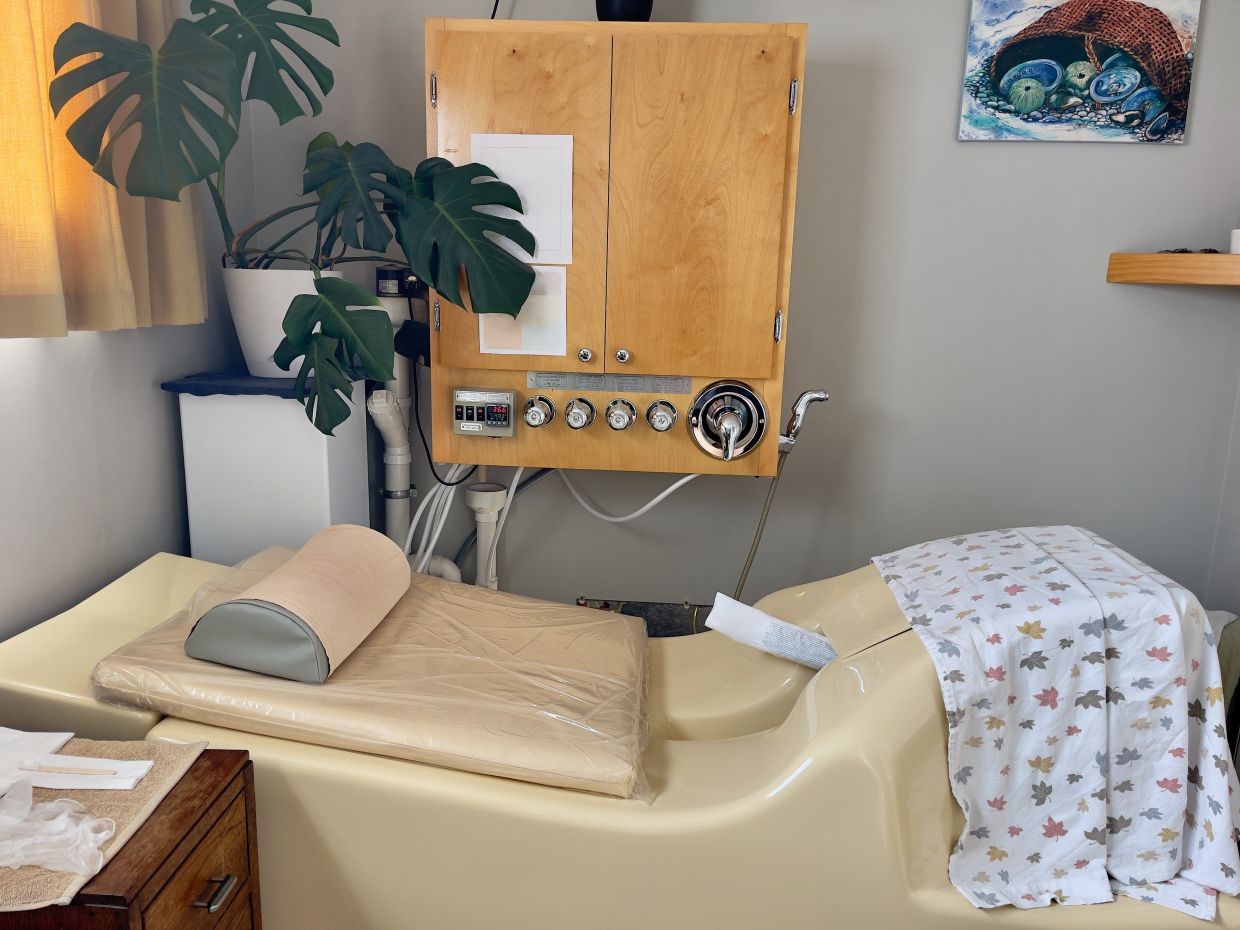
Beijing police have cracked a major fraud operation targeting elderly residents, arresting more than 30 suspects involved in systematically deceiving seniors through a bogus intestinal cleansing scheme. The investigation uncovered an elaborate con that extracted over 10 million yuan (US$1.5 million) from more than 100 victims, with individual cases involving losses exceeding 2 million yuan. The case came to light when the family of a woman in her 60s, surnamed Li, discovered she had spent 700,000 yuan (US$103,000) at a single health centre, prompting them to alert authorities.
The mechanics of the fraud reveal a calculated exploitation of vulnerable populations. The scam operated across multiple locations in Beijing, with more than 20 fake health centres working in concert to identify and target isolated elderly individuals. Operators would position themselves at senior centres and public gathering places frequented by the elderly, offering complimentary "expert" medical consultations as the initial hook. These false consultants would diagnose fabricated illnesses and prescribe lengthy, expensive treatment regimens costing tens of thousands of yuan per session. The fraudsters deliberately cultivated an emotional connection with victims, remembering birthdays and displaying attentiveness designed to fill a void that genuine family relationships might otherwise occupy.
The centrepiece of the deception was the fake intestinal cleansing treatment, enhanced with dark soy sauce to visually simulate the purification of toxins. When elderly patients underwent these pseudo-medical procedures, the addition of soy sauce to the cleansing liquid created the illusion that their bodies were expelling accumulated toxins, validating the fraudsters' diagnosis and justifying continued expensive treatments. This theatrical element proved remarkably effective at sustaining the fraud, as visible "results" reinforced the psychological investment these seniors had already made in their supposed recovery.
The targeting strategy reflected sophisticated understanding of social vulnerabilities within China's ageing population. Investigators noted that perpetrators specifically pursued affluent seniors living alone or those experiencing emotional isolation despite having children. The approach deliberately exploited what authorities characterised as the loneliness factor—a critical demographic reality in contemporary China. When victim Li considered discontinuing treatment after exhausting her savings, clinic staff engaged in manipulative pressure tactics, even encouraging her to pawn valuable personal possessions. One staff member reportedly told her: "If your illness cannot be treated, what do you need money for?" Such psychological pressure represents an escalation from deception into coercive financial extraction.
The scale of the operation indicates this was not an isolated scam but a coordinated enterprise. The health centre network generated over 30 million yuan in turnover, a figure that authorities flagged as abnormally high for legitimate enterprises of this type. The involvement of more than 20 establishments masquerading as health centres across multiple Beijing districts demonstrates the systematic nature of the fraud. The presence of fake experts working in coordination across different locations suggests an organised infrastructure designed to sustain the deception at scale and maximise victim acquisition and extraction rates.
China's demographic context makes this fraud particularly significant. As of the end of 2025, the country is home to 323 million people aged 60 and above, representing 23 percent of the total population. Within this demographic, approximately 60 percent are classified as empty-nesters, individuals either without children or with adult children living in separate locations. This structural loneliness creates a psychological environment where the attentiveness and care demonstrated by health centre staff becomes emotionally compelling, regardless of its fraudulent foundation. The combination of demographic vulnerability and the emotional void created by family separation provides ideal conditions for precisely this variety of exploitation.
The individual victim experiences highlight the psychological depth of the fraud. Victim Li's journey exemplifies the gradual extraction pattern: initial contact through a low-cost service (a 38-yuan foot massage voucher) that then evolved into extended, expensive treatments. The staff's deliberate cultivation of personal relationships—celebrating birthdays and displaying individuated care—transformed the transaction from a business interaction into something resembling familial obligation. By the time victims recognised they were being exploited, they had often already invested both substantial money and significant emotional capital into their relationship with the centres.
The fraud operation exploited gaps in regulatory oversight of the health and wellness sector. The deceptive marketing of unproven treatments, the use of unqualified practitioners posing as medical experts, and the psychological manipulation tactics all occurred within a regulatory environment insufficiently equipped to detect and prevent such activity. The industry's reliance on fee-for-service models, combined with the low barriers to establishing health centres, creates vulnerability to this precise form of criminal enterprise. The absence of meaningful oversight allowed fraudsters to operate brazenly across multiple locations and accumulated substantial revenue before law enforcement intervention.
The implications for Malaysia and other Southeast Asian nations are significant. As regional populations age and urbanisation increases family separation, similar vulnerabilities are likely to emerge in our own markets. The fraud template demonstrated in Beijing—targeting affluent seniors through emotional connection, employing pseudo-medical expertise, and delivering theatrical "results"—is entirely portable across cultural contexts. Malaysian authorities and health regulators should monitor the emergence of similar schemes, particularly in urban centres where elderly populations may be more isolated from extended family networks. The case underscores the necessity for proactive consumer protection frameworks specifically designed to shield vulnerable senior demographics.
The effectiveness of the fraud depended fundamentally on exploiting informational asymmetries and emotional vulnerabilities. Seniors often lack detailed medical knowledge to assess treatment authenticity and are predisposed to trust authority figures presented as experts. The emotional manipulation compounded these vulnerabilities by creating a sense of obligation and personal connection that discouraged skepticism. Countermeasures require addressing both dimensions: improving health literacy among seniors and strengthening community and family connections that reduce the emotional void these operators deliberately target.
Authorities in Beijing have signalled recognition that the problem extends beyond this single operation. Official statements emphasise the prevalence of health centres using deceptive practices to target seniors through promotional gifts and unverified treatments. The suggestion of urgent regulatory reform reflects acknowledgement that existing oversight structures are inadequate. Moving forward, effective responses will require enhanced licensing standards for health establishments, stricter penalties for fraud targeting the elderly, consumer education campaigns tailored to senior demographics, and—critically—community and family engagement strategies that reduce the emotional isolation these criminals systematically exploit. The case demonstrates that demographic vulnerability and regulatory gaps create a dangerous intersection where sophisticated criminal operations can flourish at significant human and financial cost.
%22%2F%3E%3C%2Fpattern%3E%3C%2Fdefs%3E%3Crect%20width%3D%22100%25%22%20height%3D%22100%25%22%20fill%3D%22url(%23ph33f18g)%22%2F%3E%3Crect%20width%3D%22100%25%22%20height%3D%22100%25%22%20fill%3D%22url(%23ph33f18p)%22%2F%3E%3Ctext%20x%3D%2250%25%22%20y%3D%2250%25%22%20text-anchor%3D%22middle%22%20dominant-baseline%3D%22central%22%20fill%3D%22rgba(255%2C255%2C255%2C0.95)%22%20font-family%3D%22Georgia%2C%20'Times%20New%20Roman'%2C%20serif%22%20font-weight%3D%22700%22%20font-size%3D%22272%22%20letter-spacing%3D%22-0.02em%22%3EISTAF%3C%2Ftext%3E%3C%2Fsvg%3E)