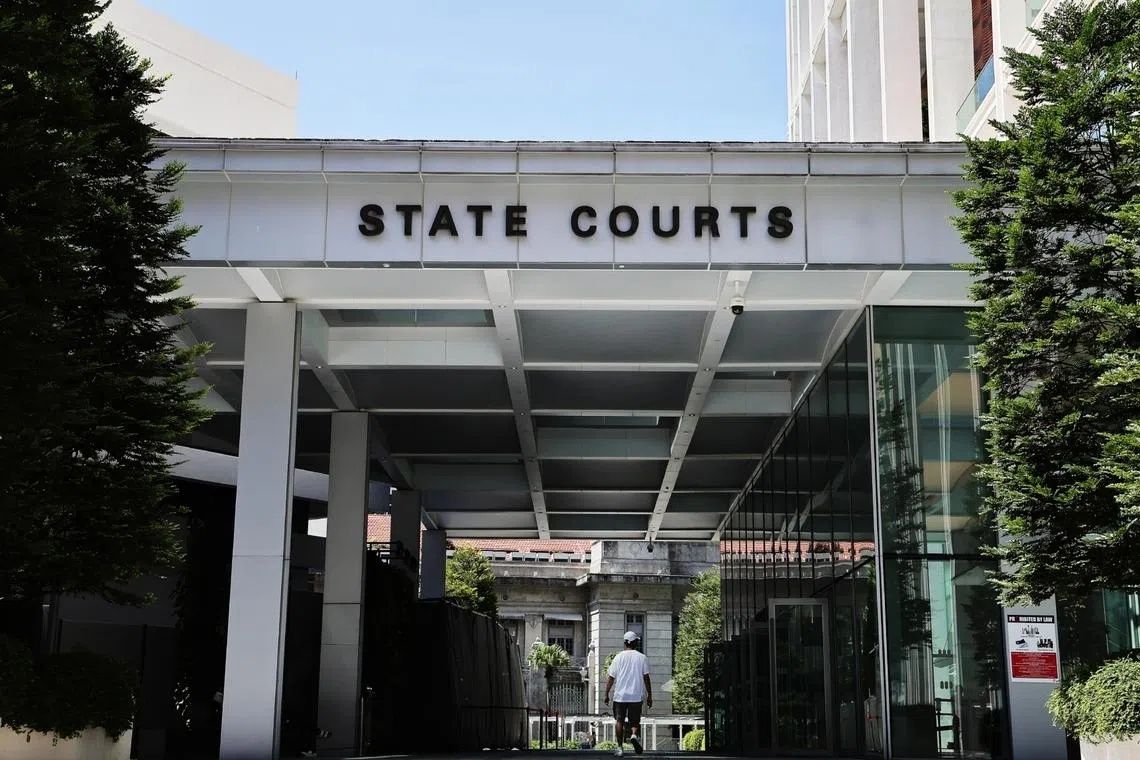
A 41-year-old Chinese national has pleaded guilty to burgling two high-end properties in Singapore, making off with jewellery and luxury items worth S$105,000 just days after arriving in the country. Huang Xiaozong entered his guilty plea on Friday before a Singapore court, with sentencing scheduled for August 14. The case reveals how targeted research and surveillance of affluent neighbourhoods can enable property criminals to strike with alarming efficiency, even during a first-time visit to a country.
Huang arrived in Singapore on December 5, 2025, and immediately assessed the financial landscape of the city-state. Rather than being overwhelmed as a first-time visitor, he identified wealthy residential pockets and began planning systematic thefts. Court documents indicate that he deliberately researched areas where residents possessed significant material wealth and targeted properties that appeared unoccupied. This methodical approach suggests premeditation rather than opportunistic crime, though the urgency of his actions—striking within 48 hours of landing—indicates he operated under time constraints.
His first target was a luxury hotel suite in Sentosa, one of Singapore's most exclusive leisure destinations and a magnet for wealthy residents. The occupant, whom court records identify as the first victim, used the suite intermittently and happened to be overseas at the time. Huang observed the empty premises before forcing entry through the rear balcony door, demonstrating familiarity with evasion tactics. Once inside, he systematically identified high-value items: a Chanel watch appraised at S$30,000, five rings collectively worth S$25,000, and a gold necklace valued at S$3,000. He returned directly to his Little India hotel, treating the theft as a routine transaction. The burglary remained undetected for two days until housekeeping staff discovered muddy footprints and missing valuables.
Undeterred by the first successful theft, Huang ventured to Serangoon Gardens on December 7, a prestigious residential enclave known for its established wealth and large properties. Arriving in the early evening between 7 and 8 pm, he identified a darkened house with no visible occupants and climbed over the gate to gain access. Inside, he conducted another systematic search, collecting over S$47,000 in jewellery including multiple rings, gold necklaces, a diamond necklace and matching earrings, and a pair of wedding rings. The scale of valuables available for theft in a single residence underscores the concentration of wealth in Singapore's premier neighbourhoods.
Immediately after leaving the first Serangoon Gardens property, Huang spotted a second vacant house in the vicinity and again climbed the gate to enter. His streak of undetected intrusions came to an abrupt end when a domestic helper confronted him inside the residence and questioned his presence. Rather than risk confrontation or apprehension, Huang fled the scene with his accumulated stolen goods and returned to his hotel. The homeowner arrived shortly afterward and, noticing the security breach and the household helper's account of the intruder, immediately contacted police.
The speed of Huang's apprehension reflected the efficiency of Singapore's law enforcement response and the availability of forensic evidence. Police traced him to his hotel in Little India, where he was arrested on December 8, 2025, just three days after arriving in the country. The cumulative value of stolen property across both incidents totalled exactly S$105,000, a substantial sum that would have represented significant proceeds for a criminal operating across borders. All stolen items were recovered during the arrest, suggesting Huang had not yet disposed of the merchandise or moved it beyond his hotel room.
The case raises important questions about security vulnerabilities in high-value residential properties, particularly during holiday periods when owners travel extensively. Both targeted properties appear to have relied on conventional locks and visual obscurity rather than comprehensive security systems or active monitoring. For Malaysian readers and regional property owners, the incident serves as a reminder that wealth concentration creates predictable targets for organized criminal reconnaissance. Huang's approach—arriving as a tourist, conducting neighbourhood surveys, and identifying security gaps—mirrors tactics used by transnational burglary networks across Southeast Asia.
Singapore's wealthy enclaves, including Sentosa and Serangoon Gardens, have historically been targeted by sophisticated criminal groups precisely because residents assume their neighbourhoods offer inherent security through affluence and police presence. Yet the Huang case demonstrates that determined individuals can successfully navigate these areas by exploiting temporal gaps when properties sit empty and families travel for extended periods. The fact that a first-time visitor could identify and execute two major thefts within 48 hours suggests either exceptional reconnaissance capability or prior knowledge shared through criminal networks.
The legal proceedings against Huang occur within a broader regional context of cross-border property crime. Chinese nationals have featured prominently in transnational burglary cases across Southeast Asia, with some operating as part of organized syndicates that send teams to target wealthy neighbourhoods in multiple countries. While Huang's case appears to involve individual rather than syndicate operations, the methodology reflects patterns observed in organized property crime networks. His rapid deployment, systematic targeting, and apparent knowledge of which items hold high resale value suggest either criminal training or prior involvement in similar offences.
For Singapore's property-owning community, the case underscores the importance of integrated security measures extending beyond physical barriers. Properties occupied intermittently require active monitoring systems, including motion-activated lighting, CCTV with remote access, and coordination with security services during owner absence. The Serangoon Gardens victim's quick police response proved decisive, yet earlier detection through automated alerts might have prevented the second attempted burglary entirely. Insurance companies operating in the region are likely to adjust underwriting criteria and premium structures based on security assessments informed by cases such as this.
Huang's sentencing on August 14 will provide clarity on judicial treatment of sophisticated residential burglary in Singapore. The legal outcome may influence criminal justice approaches across Southeast Asia, where similar cases have resulted in varying sentences depending on local legal frameworks and sentencing guidelines. For regional policymakers and law enforcement agencies, the incident provides data points informing border security protocols and intelligence-sharing mechanisms designed to track individuals with criminal intent entering the region. The speed of Huang's arrest and prosecution reflects Singapore's commitment to rapid justice, though it also raises questions about pre-arrival vetting of visitors from jurisdictions with elevated criminal activity rates.

