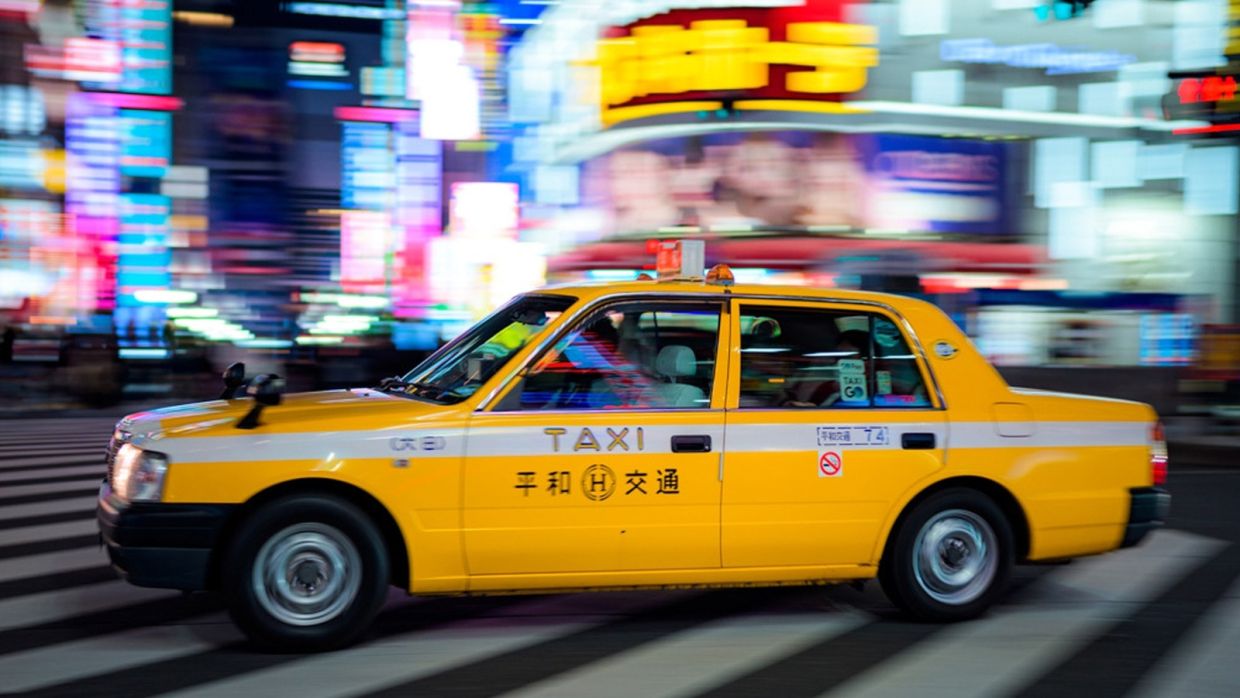
Tokyo Metropolitan Police have arrested Wang Xiaoyu, a 41-year-old Chinese national, on suspicion of orchestrating a sophisticated unlicensed taxi operation that exploited Japan's legal urban hire system to transport tourists illegally. The scheme, which operated between February and April this year, involved leasing vehicles registered under the name of Phoenix Kokusai, a chauffeur service company that Wang effectively controlled, to drivers who were not employed by the firm. These drivers then provided commercial transportation to Chinese tourists and other passengers, circumventing Japan's strict regulations governing taxis and ride-sharing services.
Wang's arrest on Sunday represents a significant crack-down on a growing problem affecting Tokyo's transportation sector. The investigation revealed that Wang collected approximately 38 million yen ($233,000) in fees from eighteen drivers who used the company's name and green licence plates—the official designation for commercial vehicles in Japan—between November 2024 and May 2026. This arrangement allowed drivers to operate what functioned as illegal taxis while appearing legitimate to enforcement authorities and unsuspecting passengers.
The scheme exploited a vulnerability in Japan's transportation regulatory framework. Urban hire vehicles, a category introduced in 2014, are distinguished from traditional taxis by their green licence plates and operate under specific legal constraints. Passengers must book these vehicles in advance and commit to a minimum charter period of two hours, preventing the casual, flexible hiring model associated with conventional taxis. However, as police authorities have noted, the green plate system remains susceptible to abuse because vehicles operating illegally are virtually indistinguishable from compliant operators at first glance.
Wang's operation specifically targeted tourists arriving at Tokyo's Haneda Airport, one of Asia's busiest aviation hubs. Complaints from legitimate taxi drivers about unlicensed vehicles aggressively soliciting passengers at the airport triggered the police investigation. This pattern of illegal solicitation was particularly brazen given that Haneda is a high-visibility location where regular taxi services are abundant and heavily regulated. The targeting of Chinese tourists suggests Wang identified a market niche among visitors who preferred communication in Mandarin and were unfamiliar with Japan's transportation rules.
Three additional arrests accompanied Wang's detention. Three Chinese drivers, also nationals, face charges of violating the Road Transportation Act for their roles as operators within the scheme. These drivers would have been the public face of the operation, directly interacting with passengers and collecting fares, though Wang appears to have been the architect orchestrating the system's financial arrangements and vehicle allocation. Wang has partially contested the allegations against him, suggesting possible disputes over the extent of his involvement or knowledge of specific illegal activities conducted under his company's nominal oversight.
The scale of illegal urban hire operations in Tokyo has grown substantially alongside Japan's tourism boom. The Ministry of Land, Infrastructure, Transport and Tourism reported that registered urban hire vehicles increased from 3,868 in the fiscal year 2013 to 8,850 by fiscal 2024. This more than doubling of vehicles reflects explosive growth in tourist arrivals and rising demand for flexible transportation options. However, the expansion has created enforcement challenges, with the sheer volume of green-plated vehicles making comprehensive monitoring difficult for police departments already stretched managing conventional taxi services.
The vulnerability exposed by Wang's operation carries implications beyond Tokyo. As Southeast Asian nations, including Malaysia, develop their own ride-sharing and urban hire regulations, the Japanese experience demonstrates how licensing loopholes can be systematically exploited. The ease with which Wang leased vehicles under corporate names to unvetted drivers, circumventing employee verification requirements, highlights the importance of robust identity verification and passenger tracking systems. Malaysia's ongoing digital transformation in transport regulation could benefit from implementing additional safeguards against similar schemes.
The targeting of Chinese tourists reflects broader demographic shifts in Asian tourism. Haneda Airport welcomed record passenger numbers in recent years, with significant proportions arriving from mainland China. Wang's understanding of this market—including language preferences and unfamiliarity with local regulations—gave his operation competitive advantage over legitimate services. This phenomenon of migrants exploiting information asymmetries and regulatory gaps is not unique to Tokyo but represents a recurring challenge across developed Asian economies dealing with rapid tourism growth.
Tokyo's enforcement response demonstrates the complexity of regulating transportation services when illegal operators blend seamlessly into the regulatory landscape. Green licence plates, designed to provide flexibility for chartered services, became instruments of deception in Wang's hands. The investigation required complaints from competing legitimate taxi drivers—suggesting that organized taxi associations remain important enforcement partners despite technological disruption of transportation markets. This reliance on industry self-reporting indicates that regulatory agencies still depend on traditional monitoring mechanisms alongside modern surveillance capabilities.
The implications for transportation regulation extend across Asia's rapidly developing tourism sector. Malaysia's position as a regional transportation hub, with Kuala Lumpur International Airport serving millions of annual passengers, presents similar vulnerabilities to those Tokyo has now confronted. The Wang case illustrates how successful regulation requires not merely issuing licenses but continuously monitoring compliance, implementing strong identity verification protocols for vehicle operators, and maintaining regular audit processes. As urban hire services expand across Asia to meet tourism demand, jurisdictions would be prudent to anticipate and preempt the regulatory arbitrage opportunities that made Wang's scheme feasible.

