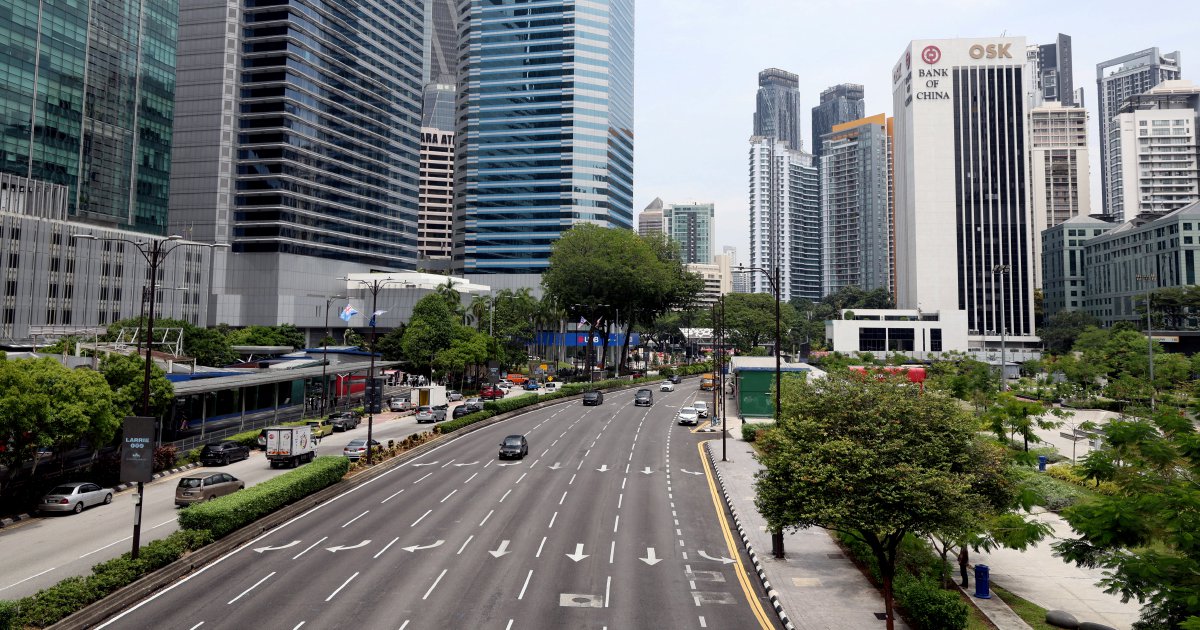
Kuala Lumpur City Hall (DBKL) has launched a formal technical investigation into a fatal tree-fall incident and commenced widespread safety inspections of mature and potentially unstable trees positioned along the capital's principal roadways. The incident has prompted city authorities to accelerate their arboricultural risk assessment programme, raising fresh concerns about urban tree management across Malaysia's largest metropolitan centre.
The investigation reflects growing anxieties regarding public safety in Kuala Lumpur's densely populated urban environment, where thousands of mature trees line streets, parks, and commercial districts. City officials have acknowledged that the systematic evaluation of tree health represents a critical element in preventing similar tragedies. The technical inquiry will examine factors including soil conditions, structural integrity, and environmental stressors that may have contributed to the collapse.
DBKL's inspection initiative focuses primarily on aged specimens that exhibit visible signs of instability, disease, or structural weakness. Teams have been mobilised to assess trees along arterial routes where high volumes of pedestrian and vehicular traffic create heightened risk scenarios. Officials emphasise that the programme aims to identify trees requiring immediate remedial action, whether through pruning, bracing, or complete removal.
The timing of this action underscores a broader challenge facing Southeast Asian cities navigating rapid urbanisation whilst maintaining ageing green infrastructure. Many mature trees in Kuala Lumpur were planted decades ago and now face cumulative stress from soil compaction, underground utilities, and changing climate patterns. Tropical weather systems, particularly heavy monsoonal rainfall, can destabilise root systems and increase collapse risk during extreme weather events.
For residents and commuters in Kuala Lumpur, the incident serves as a sobering reminder of environmental hazards that often receive insufficient attention until tragedy strikes. The city experiences seasonal storms capable of generating powerful winds, creating ideal conditions for tree failures in specimens with compromised structural stability. Enhanced monitoring and preventive maintenance become essential strategies for mitigating such risks.
DBKL's response reflects international best practices in urban forestry management, where regular arboricultural surveys have become standard procedure in major cities worldwide. Qualified tree surgeons and urban planners work collaboratively to develop maintenance schedules that balance environmental conservation with public safety imperatives. The inspection programme will likely establish clear protocols for flagging dangerous specimens and scheduling interventions.
The investigation outcomes may influence policy frameworks governing urban green space management across Malaysia's municipal authorities. Other city halls in the region, including those administering Petaling Jaya, Subang Jaya, and other major urban centres, may adopt similar inspection regimes to prevent comparable incidents. This represents an opportunity for standardised guidelines addressing tree safety across the Klang Valley metropolitan area.
Resourcess allocation presents an ongoing challenge for urban local authorities balancing competing priorities. Comprehensive tree assessment programmes require trained personnel, specialised equipment, and sustained funding commitments. DBKL must demonstrate political will to allocate sufficient budgets, particularly given Malaysia's economic pressures and competing infrastructure demands. Without adequate resources, inspection programmes risk becoming performative rather than genuinely protective.
Public communication regarding tree safety measures proves equally critical. Residents should understand which trees are being assessed, when removal or treatment may occur, and how to report unstable specimens to authorities. Transparent disclosure builds community confidence in municipal governance and encourages citizen participation in environmental stewardship. DBKL's communication strategy will influence public perception of the city's commitment to resident safety.
The incident also raises questions about liability and accountability frameworks. Should injuries or fatalities result from tree failures on municipal property, questions may emerge regarding due diligence standards and insurance coverage. Clear documentation of inspections, maintenance activities, and risk assessments protects both municipal authorities and residents by establishing transparent records of management efforts.
Long-term solutions extend beyond reactive inspections to encompassing proactive urban forest planning. Kuala Lumpur should consider strategic replanting programmes introducing younger, disease-resistant species selected for tropical climates whilst gradually removing problematic mature specimens. This approach sustains environmental benefits whilst reducing safety hazards associated with ageing trees.
The investigation's findings will likely be scrutinised by advocacy groups, professional arboricultural associations, and concerned residents seeking assurance that lessons are genuinely absorbed. DBKL's willingness to implement recommendations and commit to systematic oversight will determine whether this incident catalyses genuine improvement in urban tree management or fades into institutional memory.

