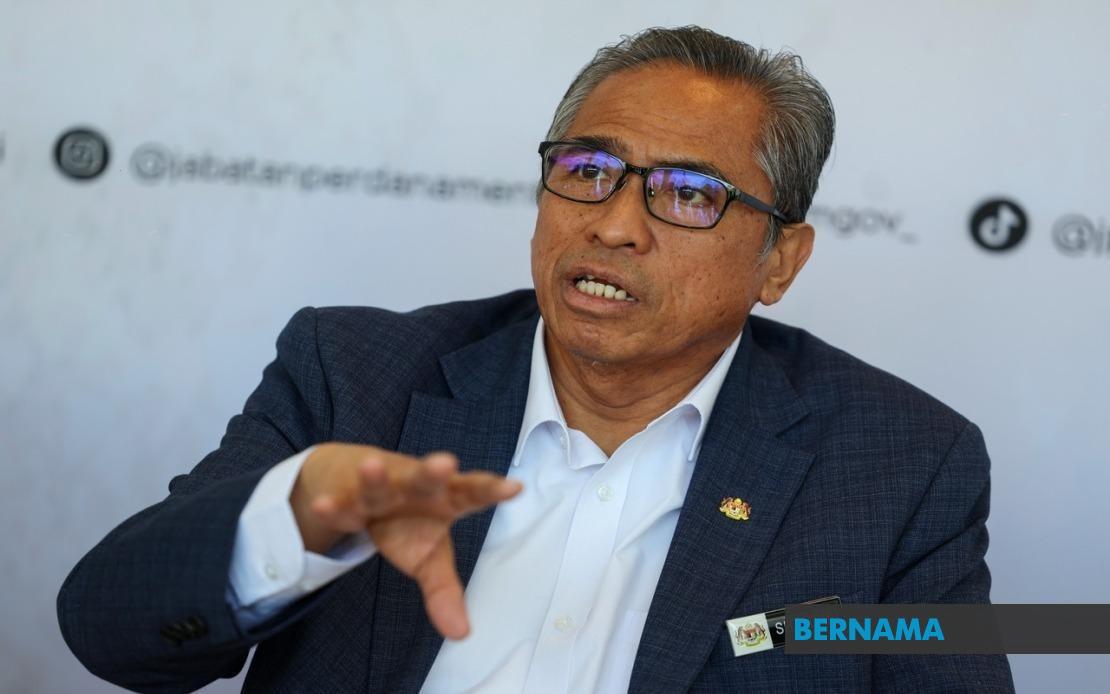
The machinery of Malaysia's civil service has been called upon to become the engine translating the government's high-level diplomatic achievements into measurable economic prosperity for ordinary Malaysians. Chief Secretary to the Government Tan Sri Shamsul Azri Abu Bakar emphasized that the country's public administration cannot remain passive observers of foreign policy successes, but must instead become active participants in converting international agreements and relationship-building into domestic job creation, investment flows, and competitive advantage in global markets.
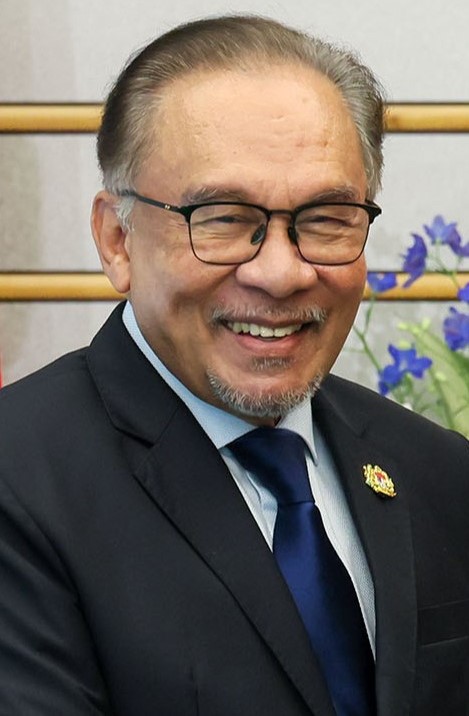
Shamsul Azri's directive comes in the wake of Prime Minister Datuk Seri Anwar Ibrahim's recent working visits to Russia and Turkmenistan, which the Chief Secretary characterized as having successfully positioned Malaysia within a complex and shifting global economic and geopolitical environment. Rather than viewing these visits as isolated diplomatic gestures, Shamsul Azri framed them as opening doors to new trading partnerships, access to previously unexplored markets, and opportunities to deepen relationships with existing commercial partners. The significance of these engagements lies not merely in the diplomatic protocols observed, but in the concrete business and strategic frameworks they establish.
The crux of Shamsul Azri's message reflects a broader strategic challenge facing Malaysia's development agenda: the gap between international positioning and domestic implementation. Government officials in trade-related ministries and economic regulators must now demonstrate the agility and preparedness to seize opportunities created by diplomatic efforts. This requires more than administrative competence—it demands that civil servants possess what Shamsul Azri termed a "global mindset," the ability to navigate complex international business norms, and the capacity to build networks that transcend traditional boundaries of commerce and statecraft.
Central to this vision is the elevation of Malaysia's standing through what the government terms "MADANI Diplomacy," a framework ostensibly designed to position Malaysia as a dynamic and pragmatic international actor. However, the Chief Secretary's comments suggest that MADANI Diplomacy cannot succeed if it remains confined to foreign ministry corridors. Instead, it must permeate the entire civil service structure, shaping how officials at all levels approach their roles as facilitators of international investment and commerce. This represents a fundamental shift in how the bureaucracy conceptualizes its mission—from service provision to strategic economic advancement.
The "Whole-of-Government" approach that Shamsul Azri referenced underscores recognition that Malaysia's competitive positioning in global markets cannot be achieved through siloed ministry operations. Rather, coordination across agencies responsible for infrastructure, immigration, investment approvals, trade facilitation, and regulatory oversight must be seamless and rapid. The Chief Secretary explicitly highlighted the Ease of Doing Business initiatives as a priority, signaling that Malaysia's attractiveness to foreign investors will be measured not only by the natural resources it possesses or the geographic advantages it enjoys, but by how quickly and efficiently it can transform international agreements into operational business environments.
Investment facilitation has become the practical manifestation of Malaysia's diplomatic ambitions. When the Prime Minister secures understandings with trading partners or explores new commercial avenues, those commitments must be rapidly operationalized through government channels. This requires civil servants to think and act as strategic partners to international business, anticipating obstacles, streamlining approvals, and maintaining the highest standards of professionalism and responsiveness. The Chief Secretary's emphasis on public servants possessing "international-class" capabilities reflects acknowledgment that Malaysia competes not only with neighboring Southeast Asian nations but with developed economies offering sophisticated investment frameworks.
Shamsul Azri's references to the Public Service Reform Agenda (ARPA) and its "internationalisation" enabler indicate that institutional reform is being deployed to support these strategic objectives. This signals that Malaysia's government is attempting to equip its civil service with new competencies, mindsets, and operational frameworks aligned with the demands of contemporary global commerce. The reform agenda appears designed to break down insularity within the bureaucracy and instill an orientation toward international engagement at all levels.
The implications of this directive extend beyond immediate economic metrics. By positioning the civil service as a critical mechanism for translating diplomatic success into prosperity, the government is asserting that Malaysia's global standing cannot be divorced from its ability to generate high-income employment opportunities, secure reliable commodity supply chains, and maintain competitive advantages in attracting international investment. These are interconnected objectives—a nation that cannot translate international partnerships into domestic prosperity loses credibility with both investors and trading partners, ultimately weakening its geopolitical position.
For Malaysian businesses and workers, Shamsul Azri's message carries practical significance. The emphasis on job creation through international investment opportunities suggests that the government views foreign direct investment not as incidental benefit but as central to its economic strategy. Similarly, the focus on commodity supply security addresses vulnerabilities that regional competitors might exploit. Civil service responsiveness directly affects whether Malaysian enterprises can capitalize on export opportunities created through the Prime Minister's international engagements or whether bureaucratic delays allow competitors to seize those openings.
The Chief Secretary's call for rapid translation of diplomatic achievements into economic action also reflects implicit acknowledgment that Malaysia's window of opportunity is time-limited. In the fluid world of global commerce and geopolitical realignment, agreements negotiated today can lose relevance if not quickly operationalized. The urgency in Shamsul Azri's language suggests awareness that Malaysia faces competition not only in attracting investments but in demonstrating to partners that it can reliably and efficiently convert commitments into outcomes.
Ultimately, Shamsul Azri's directive attempts to reframe the civil service as something more than administrative apparatus—positioning it as strategic asset in Malaysia's international economic competition. The success of this reframing will be measurable in concrete outcomes: the volume of new investments flowing from diplomatically cultivated relationships, the number of jobs created, the diversity of markets accessed, and the competitiveness of Malaysian business within global supply chains. The civil service's willingness and ability to embrace this broader mandate may ultimately determine whether Malaysia's diplomatic achievements translate into sustained prosperity or remain diplomatic gestures without lasting economic impact.