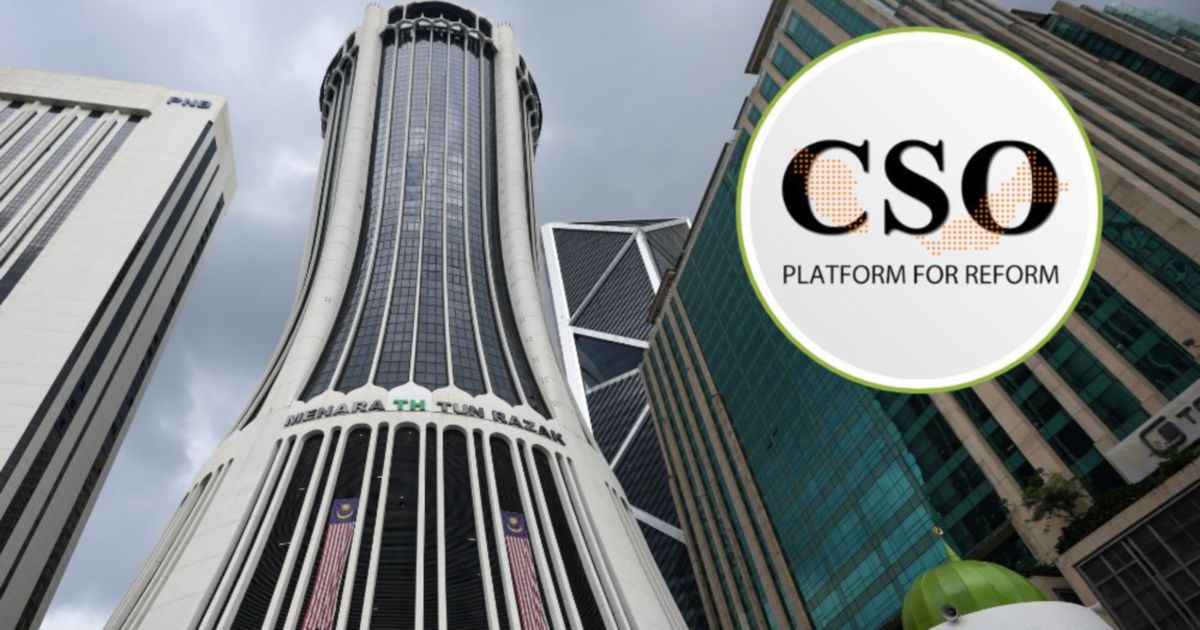
Advocacy groups in Malaysia are intensifying pressure for a rigorous and impartial examination of how Lembaga Tabung Haji (TH) descended into institutional dysfunction, building on damaging conclusions from the Royal Commission of Inquiry (RCI) that exposed systemic failures at the hajj fund management body. The CSO Platform for Reform has emerged as a vocal proponent of this push, arguing that surface-level accountability measures fall short of addressing the scale of institutional rot documented in the RCI findings.
The push for an independent investigation underscores growing frustration among civil society stakeholders that the formal RCI process, while illuminating problems, may not translate into meaningful systemic change without supplementary scrutiny. Civil society groups view independent verification as essential to preventing whitewashing and ensuring that critical gaps in governance, financial oversight, and fiduciary responsibility are addressed with the seriousness they deserve. This stance reflects broader concern that institutional inquiries in Malaysia sometimes conclude without triggering sufficient remedial action.
Lembaga Tabung Haji's difficulties have reverberated across Malaysia's Muslim-majority population, as the organisation manages pilgrimage savings for over three million members. When institutional trust erodes at such a scale, the social and financial consequences ripple through families and communities that depend on the fund for one of Islam's five pillars. The RCI's findings appear to have validated longstanding concerns about management quality, investment decisions, and regulatory oversight that members and their representatives have raised incrementally over years.
The call for comprehensive investigation signals that stakeholders view the RCI report not as a conclusive endpoint but as a starting point for deeper accountability. Comprehensive investigation would ideally examine decision-making processes that led to poor investment outcomes, board-level governance lapses, and the adequacy of internal control mechanisms. Civil society groups recognise that without detailed follow-up scrutiny involving independent auditors, legal experts, and forensic investigators, responsibility may remain diffused and remedial measures may prove inadequate.
Transparency forms a cornerstone of the advocacy position, reflecting the principle that public institutions managing citizens' money must operate under public view. The framing emphasises that institutional failures of this magnitude cannot be resolved through private deliberation or closed-door remediation meetings. Instead, open investigation processes allow affected members, the investing public, and oversight bodies to assess the genuineness of reform efforts and the extent to which accountability extends to senior decision-makers.
The RCI process itself, while formal and judicial in nature, operates within defined parameters and predetermined timelines that may not accommodate the full complexity of institutional dysfunction in a financial body as large and complex as Tabung Haji. An independent probe could operate with different scope, potentially examining cultural and procedural factors that contributed to failures, interviewing broader constituencies of stakeholders, and testing recommendations against international best practices in sovereign wealth fund management.
For Malaysian readers and Tabung Haji members specifically, the civil society demand carries immediate relevance. Thousands of Malaysians have entrusted their savings to the organisation with the expectation of professional stewardship and reasonable investment returns. When institutional failures emerge, affected individuals deserve clarity on how their money was mismanaged, assurance that similar failures will not recur, and confidence that those responsible face proportionate consequences. An independent investigation provides a more credible pathway to such assurance than institutional self-examination.
The broader regional context also matters. Southeast Asian nations generally struggle with balancing public accountability with institutional deference, and Malaysia's approach to investigating failures in government-linked entities influences perceptions of governance quality across the region. If the Tabung Haji case concludes with RCI findings alone, neighbouring countries and international observers may view Malaysia as treating institutional failures superficially. Conversely, a thorough independent investigation would signal commitment to substantive accountability.
The CSO Platform for Reform's intervention reflects maturation of Malaysia's civil society sector, which has moved beyond general criticism toward specific, technical demands for investigative methodology and oversight standards. Rather than simply opposing institutional arrangements, civil society groups now articulate what genuine accountability requires in practice: independence from political interference, adequate investigative authority, and transparent public reporting. This represents constructive engagement with governance reform.
Moving forward, the critical question concerns receptiveness to civil society demands from political and regulatory authorities overseeing Tabung Haji. Leadership commitment to independent investigation would demonstrate seriousness about institutional renewal and member protection. Conversely, resistance to supplementary scrutiny would reinforce perceptions that the RCI process, however thorough, functions primarily to manage reputational damage rather than achieve fundamental reform. The upcoming decisions on this matter will significantly shape public trust in Malaysia's institutional oversight mechanisms.

