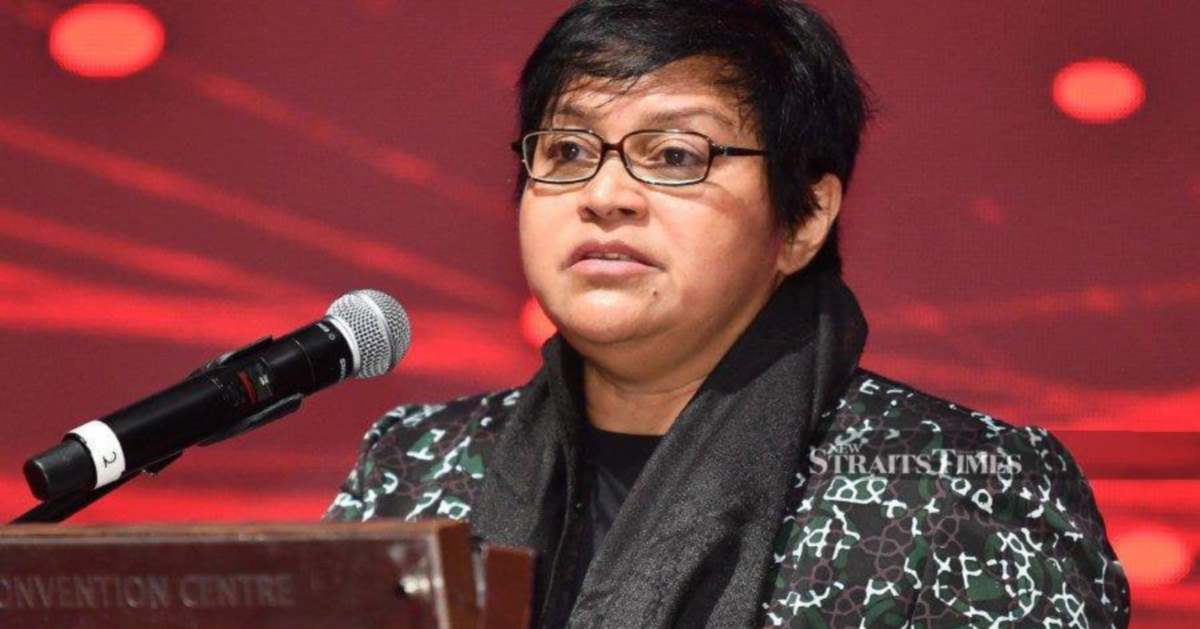
Umno's information chief Datuk Seri Azalina Othman Said has stressed that negotiations regarding the formation of any coalition or unity administration in Johor must remain off the table until after voting concludes and results are tallied, signalling the party's preference for letting the electorate determine the state's political direction first.
The warning comes amid a political climate in which various parties and alliances have been quietly preparing for post-election arrangements, a familiar pattern in Malaysian politics where outcome-dependent negotiations often shape final governmental compositions. Azalina's intervention suggests Umno wishes to avoid the appearance of pre-determined electoral outcomes or backroom dealings that might undermine public confidence in democratic processes.
This cautious stance reflects broader concerns within Umno about maintaining the party's credibility heading into the contest. Recent state-level elections across Malaysia have demonstrated voters' capacity to deliver surprising verdicts, particularly in constituencies where public sentiment has shifted against incumbent coalitions perceived as arrogant or disconnected from grassroots concerns. The Johor electorate, which Umno has traditionally dominated, represents a critical battleground for the party's national standing.
The timing of Azalina's remarks suggests the party leadership recognizes the danger of appearing to treat voters' choices as secondary to elite negotiations. By advocating for a wait-and-see approach, Umno can position itself as respecting democratic principles while simultaneously maintaining flexibility for post-election arrangements once the true distribution of legislative seats becomes clear. This strategy allows the party to avoid accusations of arrogance whilst preserving its options.
Johor's political significance extends beyond mere state-level implications. As a traditionally Umno-aligned territory and one of Malaysia's most economically developed states, its governance arrangements carry symbolic weight nationally. A coalition arrangement in Johor would inevitably influence discussions about federal-level alignments, particularly regarding the sustainability of current power-sharing arrangements in Putrajaya.
The reference to "unity government" language indicates awareness that various political groupings may need to cooperate to form stable administrations, reflecting Malaysia's increasingly fragmented political landscape where no single party or traditional coalition automatically commands supermajorities. Such arrangements have become more common as voters have grown less predictable, forcing parties to contemplate multi-party partnerships previously considered unlikely or undesirable.
Azalina's intervention also carries implications for Umno's relationship with its Barisan Nasional partners, as premature coalition talk might prompt concerns from Mca, Mic, and other component parties about their ultimate role in any post-election configuration. By insisting on postponing such discussions, Umno preserves its negotiating position and avoids triggering internal coalition friction before votes are cast.
For opposition parties and independent observers, the statement underscores the fluidity characterizing Malaysian state politics. The notion that coalition formation remains genuinely uncertain until results arrive suggests that multiple electoral scenarios could produce different political outcomes, from traditional coalitions to novel alignments. This unpredictability, whilst sometimes frustrating to political actors, represents a functioning democratic mechanism.
The international dimension warrants consideration as well. Malaysia's political stability remains significant for regional commerce, investment confidence, and diplomatic relationships. Protracted post-election negotiations or disputed coalition formations could unsettle markets and regional partners, making early signalling of political uncertainty counterproductive. Azalina's appeal for patience therefore serves broader stability interests.
Malaysian political history demonstrates that coalition negotiations following elections can prove contentious, particularly when multiple viable combinations emerge from fragmented electoral results. By establishing the principle that such talks commence only after results are known, Azalina arguably attempts to establish clearer procedural norms, potentially reducing opportunities for accusations of backroom manoeuvring or improper electoral influence.
The statement also reflects generational shifts within Umno's leadership. Younger party figures like Azalina have increasingly emphasized transparency and adherence to democratic norms, contrasting with earlier eras when elite consensus sometimes superseded electoral outcomes. This rhetorical emphasis, whilst not necessarily translating into fundamentally altered practices, indicates changing party culture regarding how politics should be conducted publicly.
Looking ahead, Azalina's warning will likely be tested as election day approaches. The temptation for political actors to engage in coalition positioning typically increases as voting nears, regardless of leadership instructions to maintain discipline. Whether Umno successfully enforces this moratorium on speculation will indicate the party's organizational coherence and leadership authority during a politically sensitive period.
Ultimately, the information chief's statement represents a calculated political manoeuvre balancing multiple objectives: preserving democratic appearances, maintaining internal party discipline, protecting coalition relationships, and retaining strategic flexibility. In Malaysian political practice, such careful messaging often precedes precisely the kind of negotiations the speaker claims to be discouraging, making the true significance of Azalina's remarks dependent on subsequent actions rather than words alone.

