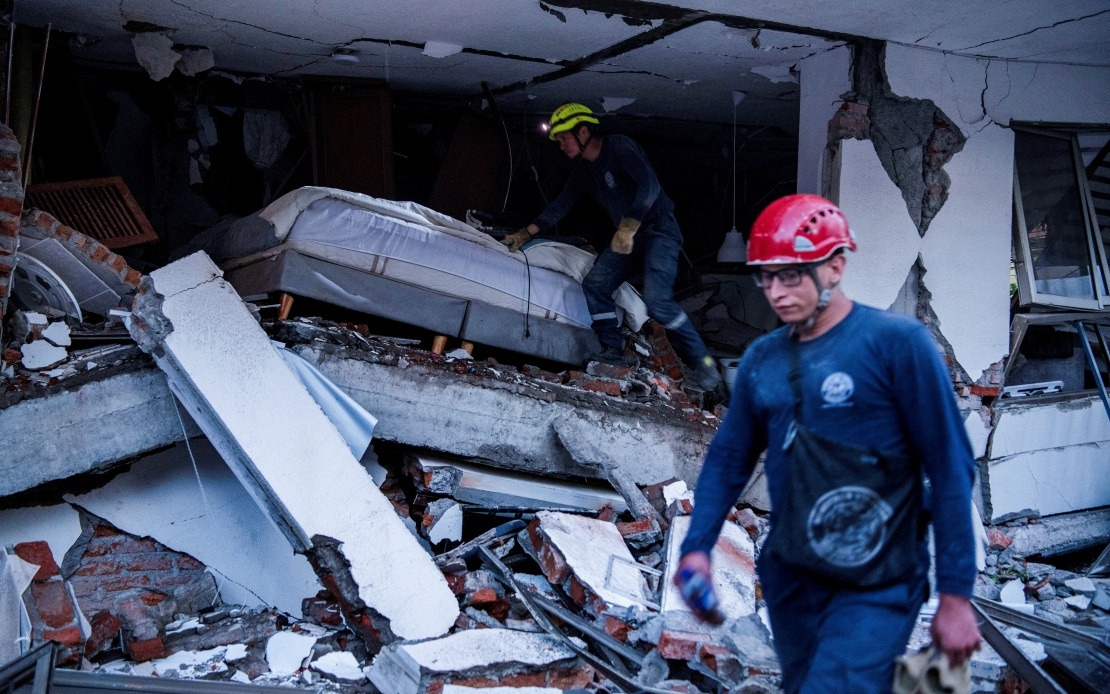
Western Colombia reeled from a devastating earthquake on Monday that claimed at least 132 lives and left hundreds more injured, prompting the government to declare a state of national disaster and mobilise emergency resources across affected regions. The tremor, which measured 7.4 on the magnitude scale, struck in the early morning hours and exposed the vulnerability of infrastructure in multiple population centres, with damage assessments still ongoing as rescue teams worked to locate survivors trapped in collapsed structures.
The geographic reach of the disaster extended far beyond the epicentre, with 32 cities across Colombia experiencing significant impacts from the seismic event. Among the hardest-hit urban areas, five departmental capitals—Pereira, Cali, Quibdo, Manizales and Armenia—were designated under red alert status, signifying the most severe level of emergency response. This multi-city disaster scenario complicated coordinated relief efforts and stretched available emergency services across considerable distances, presenting logistical challenges for authorities attempting to provide immediate assistance to affected populations.
Casuality figures varied sharply across regional boundaries, reflecting the earthquake's uneven impact on different communities. Pereira emerged as the deadliest location with 60 confirmed deaths, representing nearly half of the total fatality count. Cali, Colombia's second-largest city, recorded 15 deaths, while Quibdo reported eight fatalities and Manizales four. These disparities highlighted how local construction standards, population density and proximity to the epicentre combined to determine survival rates and injury patterns across the disaster zone.
Structural damage proved extensive, with 86 buildings collapsing across affected areas and leaving many residents homeless or displaced. The destruction extended beyond residential and commercial properties, as transportation infrastructure sustained significant harm. Seven airports serving the region suspended operations following earthquake damage, severely constraining the ability to move emergency supplies, medical personnel and rescue equipment into affected communities. This infrastructure breakdown created cascading humanitarian challenges, as conventional supply chains and rapid response mechanisms faced unexpected disruptions.
President Abelardo de la Espriella activated the state of national disaster declaration, a legal mechanism granting the government expanded powers to redirect resources, suspend normal regulatory procedures and coordinate a comprehensive emergency response. This declaration signified recognition of the catastrophe's scale and enabled mobilisation of military units, federal relief agencies and international assistance channels that would otherwise require lengthier approval processes. The presidential action represented a critical step toward scaling response operations to match the disaster's unprecedented demands on Colombia's emergency management infrastructure.
China's diplomatic presence in Colombia responded swiftly to the seismic event. The Chinese Embassy immediately activated emergency protocols and initiated systematic outreach to verify the status of all Chinese nationals throughout the country. Initial reports indicated no casualties among the Chinese citizen population, though verification processes would require time to complete comprehensively. This rapid diplomatic response reflected standard international practice for major natural disasters and demonstrated institutional preparedness among foreign missions to protect their citizens during regional crises.
Scientific data from Colombia's Geological Service provided precise technical details about the earthquake's characteristics. The temblor occurred at 7:34 am local time on Monday, with its epicentre located near San Jose del Palmar in the department of Choco. The considerable depth of 96 kilometres would have partially mitigated surface shaking intensity in some regions, yet the magnitude 7.4 rating meant sufficient energy release to cause widespread damage across a vast area. Understanding these seismic parameters assists engineers in assessing which structures withstood the shaking and which design standards failed, informing future building code improvements.
For Southeast Asian observers, the Colombia earthquake offers instructive lessons about disaster preparedness and response in regions traversing major tectonic boundaries. Countries like Indonesia, the Philippines and Malaysia, which face regular seismic threats from active fault systems and subduction zones, can draw parallels regarding infrastructure vulnerability, emergency coordination and recovery timelines. The rapid cascade of impacts—from initial structural collapse through transportation network failures to humanitarian logistics breakdowns—demonstrates how single natural disasters can compound systemic weaknesses across multiple public systems simultaneously.
The incident underscores critical gaps that frequently emerge during major natural disasters across Latin America and globally. Despite technological advances in earthquake prediction and early warning systems, the ability to prevent casualties and structural damage remains fundamentally constrained by the limited time between seismic onset and ground shaking arrival. Improving resilience therefore requires sustained investment in retrofitting vulnerable buildings, establishing redundant emergency supply chains, training disaster response personnel and conducting regular public awareness campaigns—measures that demand sustained political commitment and adequate funding allocation.
Recovery operations in Colombia will likely extend across months or years, with economic losses from infrastructure destruction, business interruption and humanitarian assistance straining governmental budgets. International aid organisations and neighbouring countries typically provide emergency support during such catastrophes, though the responsibility for long-term reconstruction rests primarily with the affected nation. As rescue teams continue searching for survivors and medical facilities treat the injured, Colombian officials face the dual challenge of managing immediate emergency response while beginning preliminary planning for the massive reconstruction effort ahead.

