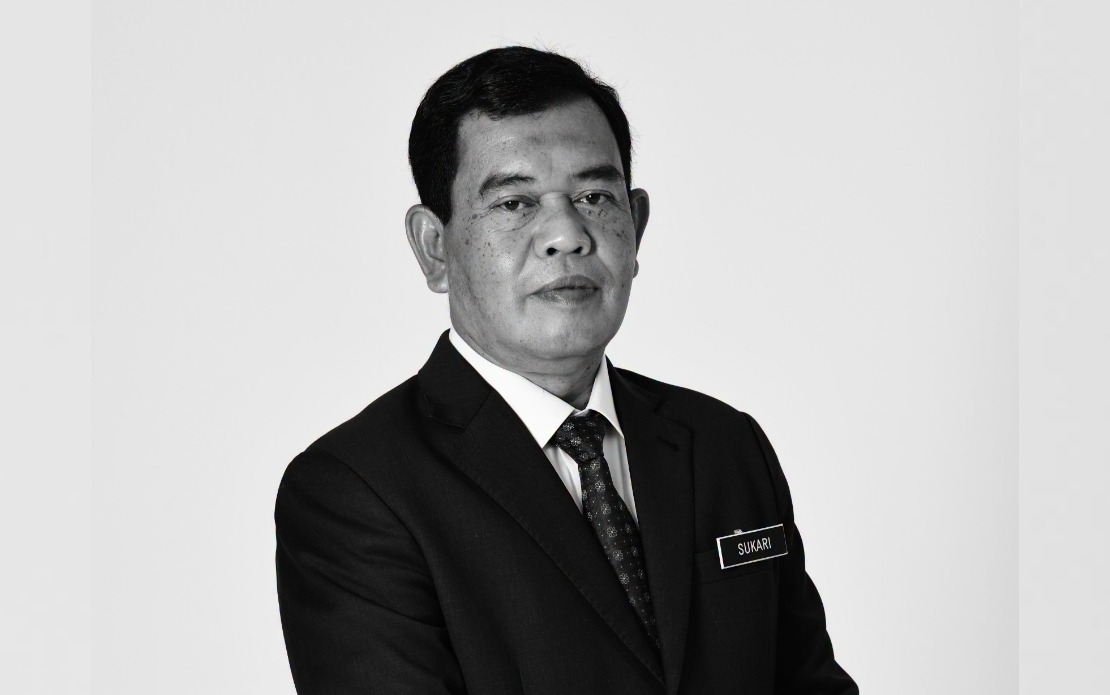
Communications Minister Datuk Seri Fahmi Fadzil has extended his deepest condolences to the family of Datuk Mohd Sukari Ab Hamid, the former director-general of the Information Department, following his death on August 3. The veteran civil servant, who was 65 years old, passed away after serving in significant positions within Malaysia's government communications infrastructure.
Fahmi characterised Mohd Sukari as one of the earliest officials he engaged with upon assuming leadership of the Communications Ministry. This early connection underscored the importance Fahmi attributed to the relationship, suggesting that Mohd Sukari played a foundational role in helping the minister navigate the complexities of his portfolio and understand the institutional dynamics at play. The minister noted that Mohd Sukari subsequently became one of his closest collaborators in executing the ministry's official agenda and policy initiatives.
The loss has reverberated throughout the Communications Ministry and particularly affected the Information Department, where Mohd Sukari spent much of his career. Fahmi conveyed that the entire ministry family viewed his passing as a significant departure that would leave lasting repercussions on how the department functions. The minister's public acknowledgment of this institutional impact reflects the respect Mohd Sukari commanded within government circles and his substantial contributions to managing Malaysia's information landscape during his tenure.
Mohd Sukari's career trajectory in the civil service spanned decades of dedication to Malaysia's government communications apparatus. He received his appointment as Information Department director-general on December 7, 2020, during a period of considerable political transition in the country. His retirement came on March 20, 2024, concluding a period of service during which he navigated complex information management challenges, including those related to government announcements and public communications during significant national moments.
In his tribute, Fahmi invoked Islamic prayers for the deceased, requesting divine forgiveness of his sins and mercy upon his soul, reflecting the deep personal and spiritual dimension of the loss within Malaysia's Muslim-majority civil service community. This gesture resonated with established practices in Malaysian government when honouring the passing of senior officials, emphasising both their professional contributions and their spiritual legacy.
The funeral proceedings followed traditional Islamic practices, with Mohd Sukari being laid to rest at Sakinah Cemetery in Kampung Melayu, Kepong, following afternoon prayers. The location of his burial and the timing of the funeral service reflected immediate arrangements made by his family in accordance with Islamic customs, allowing colleagues and members of the government service to pay their final respects within a culturally appropriate timeframe.
Mohd Sukari's tenure as director-general coincided with Malaysia's evolving information ecosystem, a period during which government communications departments faced increasing demands from digital media proliferation and changing public information consumption patterns. His leadership during this transformation period positioned him as a key figure in how Malaysian government institutions adapted their messaging and information dissemination strategies during a complex technological and political environment.
The death of senior civil servants like Mohd Sukari often prompts reflection within government circles about institutional memory and the knowledge continuity of experienced administrators. Such individuals typically serve as repositories of decades of experience regarding how government processes function, institutional relationships develop, and policy implementation challenges arise. The loss of such institutional knowledge creates gaps that successive administrations must navigate, particularly in technical and administrative fields like information management.
For the Malaysian civil service more broadly, Mohd Sukari's passing represents the transition of another generation of administrators who served through multiple political administrations and successive policy frameworks. These officials often witnessed significant shifts in how Malaysian government functions, the evolution of information technology within bureaucratic systems, and changing public expectations regarding government communication and transparency. Their experiences provide valuable context for understanding how Malaysia's government institutions have adapted to contemporary challenges.
The Communications Ministry's acknowledgment of Mohd Sukari's contributions through the minister's public statement underscores the importance placed on recognising the role of senior administrators in Malaysia's governance structure. Such tributes serve not only as marks of respect for the individual but also as reminders of the collective effort required to maintain government institutions effectively. Fahmi's emphasis on Mohd Sukari's collaborative spirit and close working relationship suggests that professional partnerships built on mutual respect and shared commitment to institutional goals characterised much of the department's functioning during recent years.

