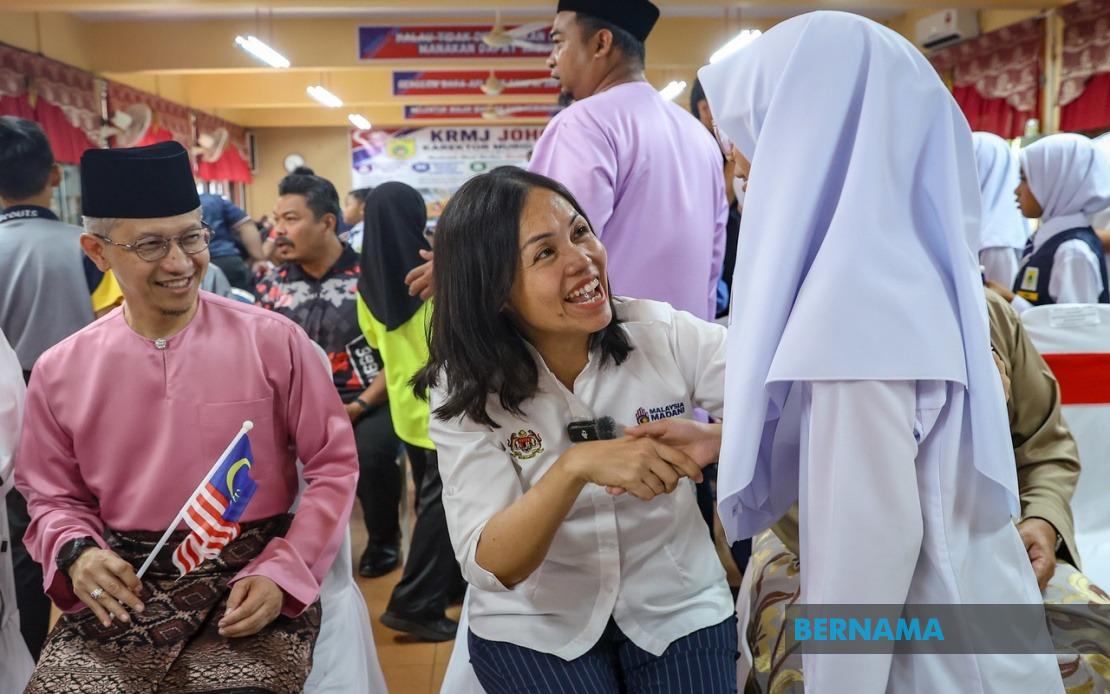
The Ministry of Communications has identified the strengthening of Malaysia's film sector as a key policy priority heading into Budget 2027, according to Deputy Minister Teo Nie Ching. The move reflects growing recognition within government circles that the creative industries represent an untapped engine for economic growth and employment. Speaking during a site visit to Kulai, Teo indicated that exploratory talks have begun with the Ministry of Finance regarding potential support mechanisms, though formal budget announcements remain pending.
The timing of this initiative carries significance for Malaysia's creative economy landscape. The local film industry has faced persistent challenges including limited production funding, competition from regional hubs, and the need for infrastructure development. By elevating the sector within the communications portfolio, the government signals an intent to reverse years of comparatively modest investment in homegrown content creation. For context, neighbouring countries including Thailand and the Philippines have made substantial commitments to their respective film industries as part of broader cultural and economic strategies.
Teo emphasised that formal details regarding Budget 2027 allocations cannot be disclosed until the Ministry of Finance confirms its position following scheduled high-level discussions expected within the coming week. However, she stressed that preliminary consultations have already surfaced the communications ministry's desire to expand financial support for filmmakers and production companies. This measured approach reflects the bureaucratic reality that budget negotiations typically remain confidential until official announcements, yet the deputy minister's public acknowledgment signals genuine administrative momentum behind the initiative.
The broader context involves the government's commitment to nurturing what officials term the orange economy—a classification encompassing creative and cultural industries. Film production sits squarely within this framework, offering potential contributions to gross domestic product through job creation, foreign investment attraction, and international reputation building. Teo indicated that the ministry's overarching concern extends beyond simple cash injections; instead, officials are developing policy frameworks designed to create enabling conditions for sustainable industry growth. This distinction matters, as targeted regulatory reform and infrastructure investment often generate more durable outcomes than temporary funding boosts.
The allocation question remains open-ended, with Teo acknowledging that any budget request must align with the government's overall fiscal position. Malaysia's budgetary environment involves competing priorities spanning healthcare, education, infrastructure, and defence. Within this constrained context, securing meaningful resources for the film industry requires demonstrating clear economic multiplier effects and public benefit. Industry advocates will likely point to successful models elsewhere, including tax incentive schemes, production subsidies, and training facility investments that have yielded measurable returns.
For Malaysian filmmakers and production companies, the signals emerging from the communications ministry represent cautious optimism. A sustained commitment to industry support could facilitate larger-scale productions, attract international partnerships, and develop local talent more systematically. The domestic audience remains substantial, and streaming platforms have created new distribution pathways that earlier generations of Malaysian filmmakers could not access. Strategic investment at this juncture might position the country to capture greater share of Southeast Asian and global audiences.
During the same Kulai visit, Teo also advanced government commitments to religious and cultural institutions. She noted that the Sri Maha Mariamman Temple management had successfully applied for assistance under the Non-Muslim Houses of Worship allocation scheme, receiving RM248,560 in 2025 following an initial 2024 approval. This demonstrates the government's broader approach to community development spanning both economic initiatives and social infrastructure. Additionally, Teo distributed food parcels to twenty B40-category households in collaboration with temple authorities, underscoring the integration of cultural and welfare concerns within her constituency work.
The deputy minister's dual focus—advancing film industry policy while simultaneously addressing localised community needs—reflects the multifaceted nature of the communications portfolio. This ministry oversees not merely media and broadcasting but increasingly extends into cultural promotion and creative sector development. The convergence of these responsibilities creates opportunities for coordinated approaches that simultaneously support professional content creation and community cultural expression.
Looking forward, the coming weeks will prove crucial as the communications ministry formalises its budget submission to finance authorities. Industry stakeholders, particularly smaller production houses and emerging filmmakers, will watch closely for indications regarding the types of support mechanisms under consideration. Whether emphasis falls on direct grants, tax breaks, infrastructure investment, or skills development will shape how effectively any new allocations translate into tangible benefits. The ministry's willingness to publicly commit to industry strengthening signals that Budget 2027 will include at least some provision for this sector, even if final quantum remains undetermined.

