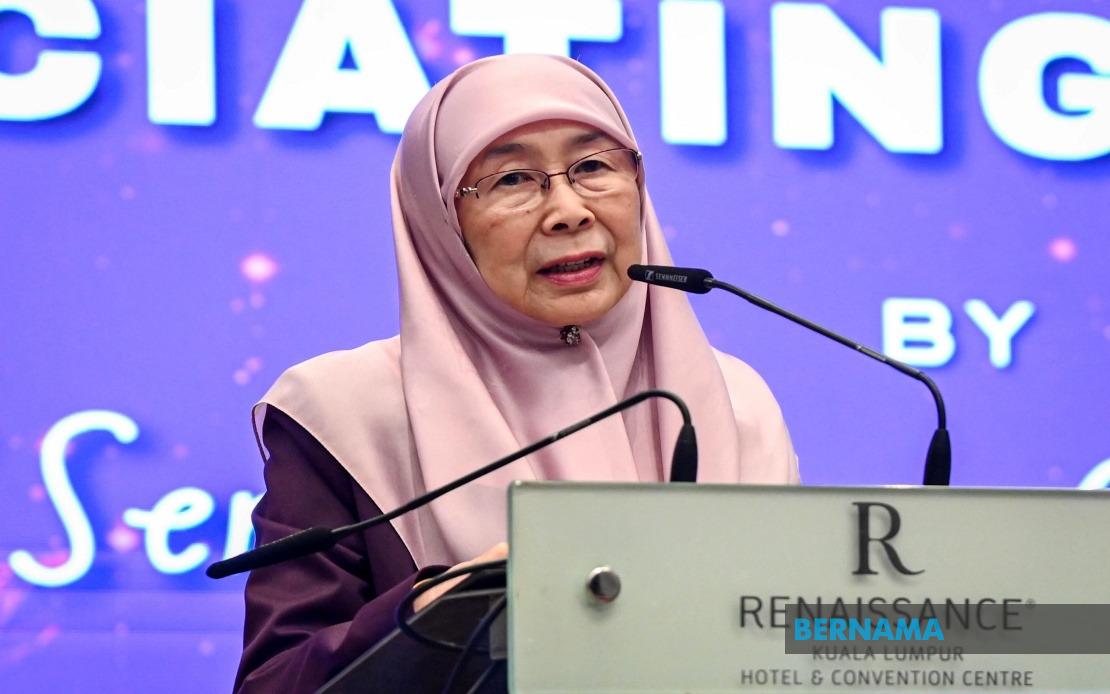
Datuk Seri Dr Wan Azizah Wan Ismail has called for maternal healthcare systems to place compassionate, patient-centred care at their core, warning that innovation alone cannot guarantee superior outcomes without being underpinned by genuine human concern. Speaking at the launch of the 16th Malaysian Obstetric Anaesthesiology Symposium (MyOASym) 2026 in Kuala Lumpur on July 3, the Prime Minister's wife stressed that the measure of excellence in obstetric medicine extends far beyond statistical clinical results, encompassing the emotional journey mothers experience during pregnancy and childbirth.
The distinction Wan Azizah drew between technological progress and compassionate delivery reflects a growing global conversation about the limitations of purely evidence-based, algorithm-driven healthcare. While modern medicine has equipped practitioners with unprecedented diagnostic and treatment capabilities, she argued that these tools lose much of their value if deployed without attending to the psychological and social dimensions of the patient experience. This sentiment carries particular weight in Malaysia, where maternal health outcomes have improved significantly but satisfaction levels and the quality of the birth experience remain inconsistent across urban and rural settings.
Wan Azizah articulated a vision in which mothers receive not merely clinical competence but also dignity, respect, and sustained emotional encouragement from their healthcare providers throughout the perinatal journey. This holistic approach recognises that pregnancy and childbirth represent profound life events shaped as much by how women are treated as by the medical procedures performed. In the Malaysian context, where cultural values and family dynamics deeply influence maternal health decisions, integrating compassionate communication into standard clinical practice could improve both trust in the healthcare system and maternal adherence to care recommendations.
The complexity of modern obstetric practice has intensified, driven by demographic shifts and rising rates of maternal comorbidities. Wan Azizah highlighted the growing prevalence of cases involving advanced maternal age, obesity, complex cardiac conditions, and obstetric haemorrhage—conditions that demand not only individual technical expertise but also seamless coordination across multiple specialties. These high-risk scenarios underscore why isolated clinical excellence within individual departments is insufficient; maternal mortality and morbidity in such cases frequently stem from communication breakdowns or delayed recognition of deterioration rather than from knowledge gaps alone.
To address this challenge, she advocated for the institutionalisation of regular multidisciplinary simulation training bringing together anaesthesiologists, obstetricians, and neonatologists. Simulation-based training has emerged globally as a powerful tool for strengthening team performance and building muscle memory for crisis management in obstetrics. Malaysia, like many middle-income nations, has pockets of excellence in simulation training but lacks systematic, mandatory participation across the public and private sectors. Formalising such programmes would likely reduce preventable adverse events and build organisational resilience in tertiary care facilities.
Wan Azizah's criticism of siloed working practices resonates with persistent structural challenges in Malaysian healthcare. Specialties and departments sometimes function with limited real-time collaboration, driven by organisational hierarchies, competing administrative priorities, and entrenched clinical cultures. By explicitly calling for teams to work together rather than in isolation, she identified a fundamental barrier to safer obstetric practice. Strengthening interdisciplinary communication, particularly in the critical moments surrounding labour and delivery complications, directly translates to better survival rates and reduced morbidity for both mothers and newborns.
The symposium itself exemplifies the benefits of international engagement in a critical healthcare domain. The participation of specialists from Singapore, Hong Kong, and Pakistan brings diverse clinical perspectives, evidence-based practices from varied healthcare systems, and opportunities for Malaysian professionals to benchmark their approaches and learn from peers facing similar resource constraints or demographic challenges. Such knowledge exchange is especially valuable in Southeast Asia, where maternal health disparities between and within countries remain substantial and where regional collaboration on training and guideline development could accelerate improvements.
Wan Azizah addressed aspiring healthcare professionals directly, urging them to blend technical mastery with curiosity, humility, and empathy. This guidance acknowledges a persistent tension in medical education—the prioritisation of factual knowledge and procedural competence often comes at the expense of cultivating emotional intelligence and reflective practice. Young obstetricians and anaesthesiologists entering a field marked by high stress and moral weight benefit from early exposure to mentors who model compassionate practice and from institutional cultures that validate the emotional labour inherent in caring for vulnerable, anxious patients during transformative life experiences.
The emphasis on continuous learning and mentorship reflects awareness that Malaysian healthcare faces both talent retention and capability-building challenges. When junior clinicians feel supported, intellectually stimulated, and recognised for their contributions, they are more likely to remain in the public system and pass forward the values of patient-centred care to the next generation. Conversely, burnt-out or under-supported junior doctors often migrate to private practice or abroad, draining the public sector of talent and institutional knowledge.
Wan Azizah's framing of maternal healthcare as fundamentally about managing moments of profound human vulnerability offers a corrective to healthcare systems that risk becoming overly technical and detached. In Malaysia, where maternal mortality ratios and stillbirth rates remain higher in rural and low-income urban areas partly due to delayed care-seeking rooted in poor experiences with health services, this message carries particular urgency. Building compassionate systems alongside improving clinical infrastructure and access could unlock gains that clinical improvements alone might not achieve.
The broader context of this symposium includes Malaysia's stated aspirations to achieve universal health coverage and Sustainable Development Goal targets for maternal and child health by 2030. Meeting these targets requires not only funding and facilities but also a fundamental commitment to redesigning patient interactions around dignity and emotional support. Wan Azizah's remarks, delivered from a platform of national influence, signal that compassionate care is not a luxury add-on but a policy imperative aligned with Malaysia's health development agenda.

