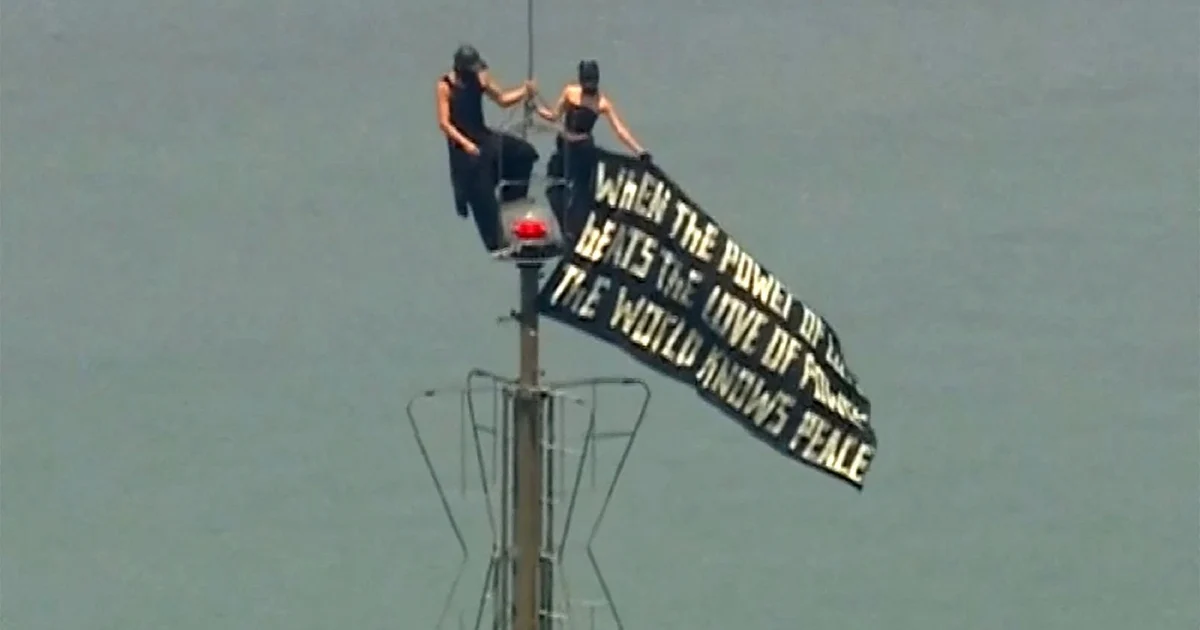
A man and a woman were taken into custody on Wednesday following a high-risk climb to the antenna structure crowning the Empire State Building in New York, an incident that appears to have culminated in an engagement moment. The pair's unauthorised ascent drew swift intervention from authorities, though details surrounding the exact circumstances of their arrest remain emerging.
The Empire State Building, completed in 1931 and standing 1,454 feet tall including its antenna, remains one of the most iconic skyscrapers in North America and a prime target for thrill-seekers. The building's observation decks attract millions of visitors annually, yet its exterior and highest technical structures are strictly off-limits to the public. Climbing to the antenna itself represents an extraordinarily dangerous feat, exposing individuals to falls, electrical hazards, and extreme weather conditions at elevation.
Such incidents, while rare, periodically generate international headlines. In 2013, French climber Alain Robert, known as the "French Spiderman," scaled the building without safety equipment—a feat that resulted in his arrest and subsequent conviction. Similarly, daredevil climbs of major skyscrapers have become increasingly rare as security protocols tighten across major metropolitan areas. The risks are substantial: a fall from such height is invariably fatal, and high-altitude environmental conditions present their own hazards.
The apparent proposal component adds a romantic narrative to what authorities must treat as a serious trespassing and safety violation. The motive of seeking an unconventional engagement backdrop reveals the lengths some couples will go to create memorable moments, yet it simultaneously demonstrates a disconnect between aspirational goals and legal boundaries. Staging proposals at dangerous or unauthorised locations has become an occasional occurrence, though most couples opt for recognised proposal venues or pre-arranged special events.
New York Police Department and building security personnel responded to the incident, ultimately apprehending both individuals. The building's management has not publicly detailed how the pair gained access to restricted areas or how long they remained atop the antenna structure before being discovered and brought down. Such breaches raise questions about security protocols at one of Manhattan's most visited attractions, particularly given the building's high-profile status and the extensive aftermath of previous security incidents at prominent New York landmarks.
From a legal standpoint, unauthorised climbing of structures in New York typically invokes charges related to trespassing and potentially reckless endangerment. The specific charges faced by this couple would depend on whether their actions endangered others, whether they damaged building infrastructure, and whether they used force or deception to circumvent security measures. Prosecutors might also consider whether this constituted a stunt designed to generate media attention.
The incident carries broader implications for building security practices in dense urban environments. High-rise structures worldwide continue refining access control systems, surveillance networks, and response protocols to prevent unauthorised entries and climbs. The fact that two individuals could reach the antenna despite presumed security measures suggests potential vulnerabilities that facility management will likely address through protocol adjustments or technological upgrades.
For Malaysian and Southeast Asian readers, this story illustrates how major international landmarks face perpetual tension between public access and security imperatives. As tourism drives economic growth across the region, attractions from Petronas Twin Towers to various high-rise developments must balance visitor experiences with physical safety and site security. The incident underscores how a single unauthorised action can prompt costly security reviews and tighter restrictions affecting thousands of legitimate visitors.
The couple's apparent engagement rationale, while sympathetic in romantic intention, ultimately represents a dangerous misadventure with potential legal consequences. Authorities did not immediately specify what charges would be filed, but precedent suggests both individuals face meaningful legal jeopardy. The incident also raises awareness about the human impulse to seek distinction through daring acts, particularly in the context of culturally significant moments like proposals.
Public reaction to such incidents typically splits between romantic sympathy and safety concern. While some observers find the couple's apparent commitment to creating an unforgettable engagement moment endearing, others emphasize the recklessness inherent in risking lives for a photograph or moment of notoriety. Emergency responders faced potential danger if a rescue became necessary, and the psychological impact on building staff and other workers cannot be discounted.
Looking forward, this incident will likely prompt discussions among facility managers, security professionals, and city officials about evolving protocols for major landmarks. The Empire State Building, despite its age, continues implementing modern security technologies, yet human determination to access restricted areas remains a persistent challenge. The Wednesday arrest demonstrates that even in an era of advanced surveillance and access control, motivated individuals can occasionally circumvent systems—a reality that building security teams across the globe must continuously address through layered approaches combining technology, personnel, and architectural design.

