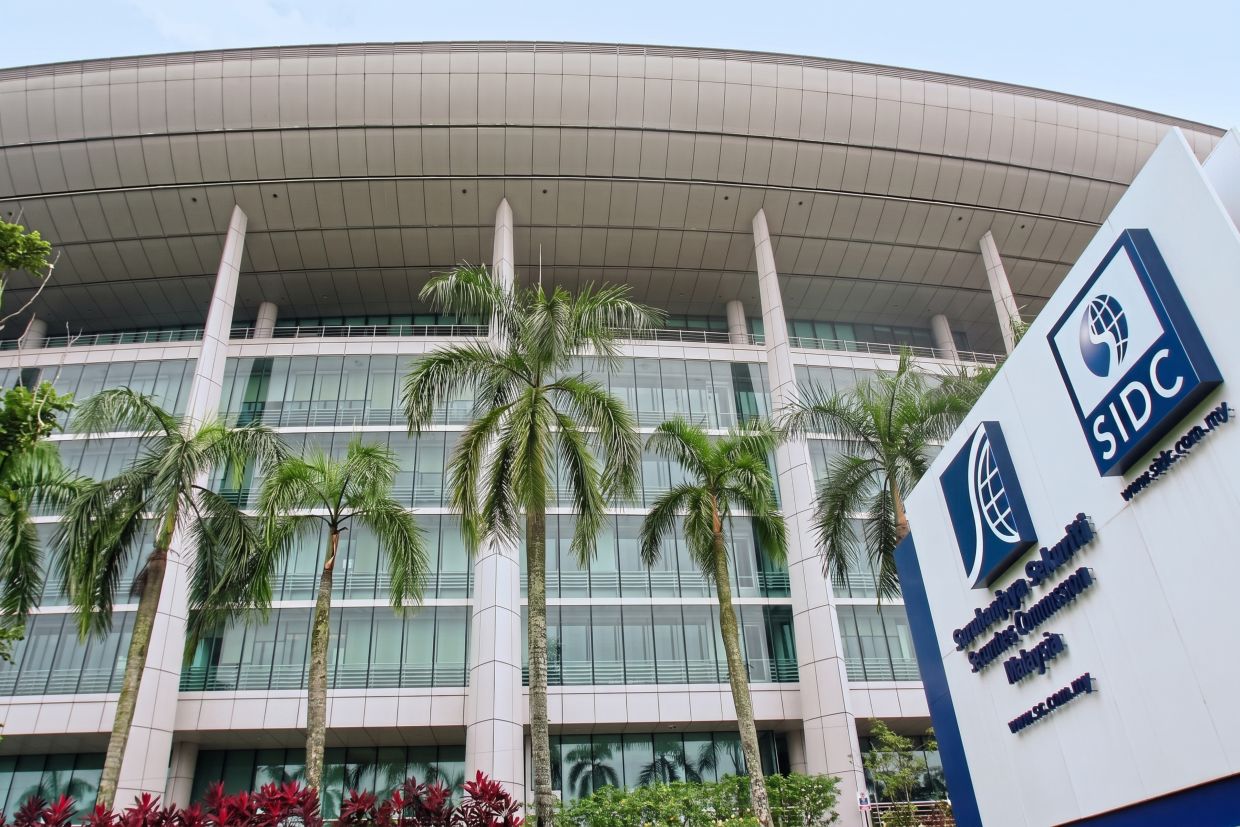
Malaysia's Court of Appeal has delivered a decisive victory for the Securities Commission, unanimously upholding a landmark insider trading conviction against former WCT Bhd deputy managing director Goh Chin Liong and Ara Holdings Sdn Bhd director Leong Ah Chai. The appellate court's affirmation of the 2022 High Court judgment signals the judiciary's unwavering commitment to enforcing capital market regulations, even as the case enters its enforcement phase following years of litigation.
The Court of Appeal dismissed both defendants' appeals without finding any grounds for appellate intervention, maintaining the full weight of the original judgment. Beyond the primary liability findings, the appellate decision preserved significant financial consequences for the defendants, including disgorgement orders totalling RM5 million and civil penalties of RM600,000 combined. The court also imposed costs awards of RM100,000 per defendant in the appeal itself, plus an additional RM75,000 each payable to the Securities Commission, underscoring the seriousness with which appellate judges treated the breach.
The saga began in 2015 when the Securities Commission initiated civil proceedings against both men, alleging breaches under the Capital Markets and Services Act 2007. The core allegation centred on Goh's transmission of material non-public information to Leong regarding the abrupt cancellation of a significant infrastructure contract. The cancelled venture involved a Dubai racecourse construction project that WCT had undertaken through a joint venture with Arabtec Construction LLC—a joint venture whose viability and profitability depended substantially on that specific contract's successful completion.
Armed with this privileged information about the contract's collapse, Leong acted swiftly to limit exposure by disposing of 1.64 million WCT shares held in Ara Holdings' trading account over a concentrated four-day window from January 2 to 5, 2009. This rapid divestment allowed Leong to avoid losses that would have materialised once the market eventually learned of the cancellation and repriced WCT shares downward. The timing and volume of the share sales demonstrated the apparent financial advantage gained through advance knowledge not available to ordinary investors.
When the original High Court trial concluded, the trial judge sided entirely with the Securities Commission's case after evaluating all evidence presented during the full proceedings. The High Court found that the information conveyed constituted material non-public information under securities law, that the defendants knew of its sensitive nature, and that Leong's subsequent trading represented a direct effort to profit from or avoid losses through that privileged knowledge. Each defendant received identical financial judgments: RM2.5 million in disgorgement representing profits avoided or losses prevented, plus RM300,000 in civil penalties, reflecting the law's intention to strip wrongdoers of gains while imposing additional financial consequences.
A procedural development occurred in May 2026 when the Securities Commission succeeded in a separate High Court application to reinstate garnishee orders against both defendants. Garnishee procedures represent an important enforcement mechanism enabling authorities to intercept payments or assets owed to judgment debtors, effectively freezing assets until outstanding court orders are satisfied. This reinstatement opened a pathway for the Securities Commission to commence active recovery of the RM5.83 million total judgment sum without awaiting voluntary compliance from defendants who had already demonstrated their unwillingness to accept liability through years of litigation.
The Securities Commission characterised the appellate outcome as validation of its enforcement philosophy and market protection mandate. In an official statement, the regulator emphasised that insider trading fundamentally corrodes market integrity by privileging informed traders at the expense of ordinary investors who lack access to material non-public information. When market participants discover that trading advantages accrue to corporate insiders rather than skill or public information analysis, confidence deteriorates and capital market participation becomes less attractive to retail investors and foreign participants alike.
For Malaysian capital markets specifically, this decision carries particular significance given Malaysia's aspiration to develop Kuala Lumpur as a regional financial centre. Foreign and domestic investors make allocation decisions partly based on their assessment of regulatory effectiveness and enforcement credibility. Demonstrating that civil enforcement actions against high-level corporate figures proceed through appellate stages successfully and that financial judgments remain enforceable sends reassuring signals about the predictability and rule of law within Malaysian securities markets, contrasting sharply with jurisdictions where regulatory enforcement appears politicised or selective.
The extended timeline of this matter—spanning from 2015 initiation through 2022 trial, subsequent appeal proceedings, and now enforcement—illustrates both the complexity of insider trading prosecutions and the patient accumulation of precedent establishing clearer boundaries around executive conduct. Each stage generated judicial reasoning that clarifies what constitutes material non-public information, how corporate hierarchies should disseminate sensitive commercial developments, and what obligations senior managers bear regarding information barriers between executive decision-makers and trading functions.
Moving forward, the Securities Commission indicated its intention to pursue vigorous enforcement of the garnishee orders to recover the outstanding RM5.83 million from the defendants. This transition from appellate victory to asset recovery introduces different practical challenges, as defendants may prove difficult to locate, may have transferred assets to family members or trusts, or may simply lack sufficient liquid resources to satisfy judgment immediately. Malaysian civil procedure provides multiple enforcement mechanisms beyond garnishee orders, including examination of debtor proceedings, attachment of assets, and in extreme cases, contempt findings against obstructive debtors.
The regulatory environment for insider trading in Malaysia continues evolving through case law, with each decided matter adding texture to the legal framework governing corporate executives' information handling duties. The Capital Markets and Services Act 2007 establishes the statutory foundation, but judicial interpretation determines its practical scope and severity of consequences. This appellate affirmation demonstrates that Malaysian courts view insider trading as warranting substantial civil remedies including disgorgement, penalties, and costs—a multi-layered approach designed to eliminate profit incentives while imposing reputational and financial consequences beyond mere restraint from trading.
The Securities Commission's statement that insider trading will not be tolerated reflects a deliberate prosecutorial stance likely to encourage heightened scrutiny of unusual trading patterns among corporate insiders. Market surveillance systems now routinely flag concentrated trading activity by corporate officers and board members, particularly around corporate announcements or disclosures. For companies like WCT and similar publicly listed enterprises, today's appellate decision reinforces the importance of robust information management protocols, insider trading policies, and trading restrictions during sensitive periods when material information remains non-public.

