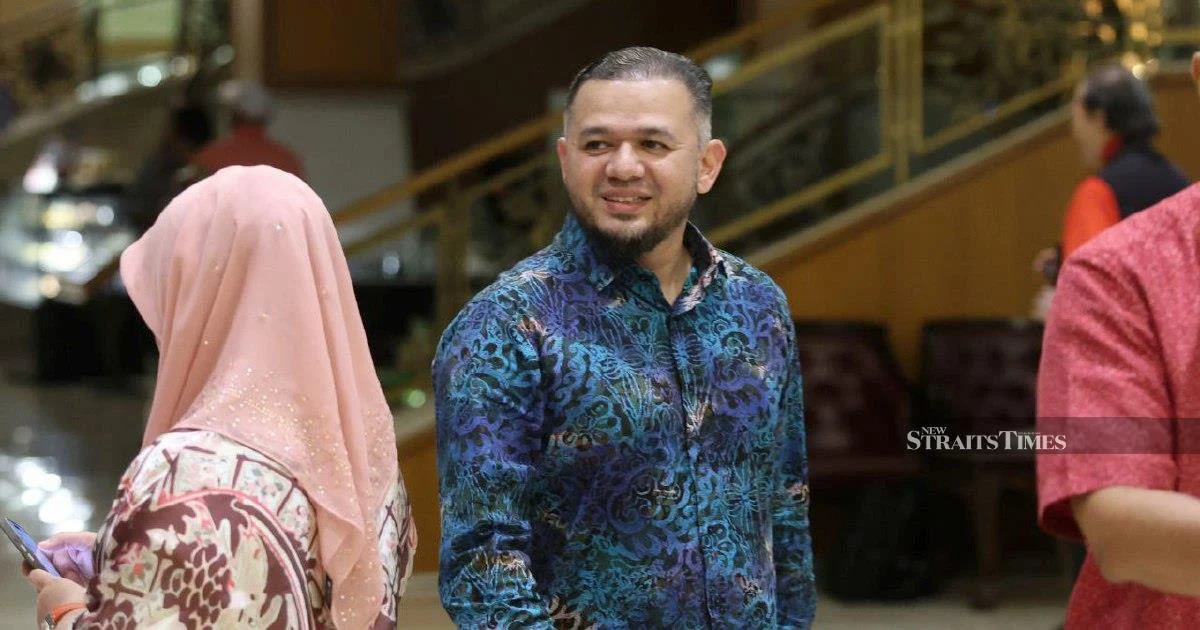
The High Court in Kuala Lumpur has dealt a significant blow to Umno's Kangar division chief Datuk Dr Fathul Bari Mat Jahya by rejecting his bid to postpone payment obligations, forcing him and two other former company directors to settle a debt of RM492,480 to a haj and umrah service provider. The dismissal of the stay of execution application removes a procedural hurdle that had temporarily suspended the enforcement of the court judgment against the three defendants.
The financial dispute centres on the defendants' previous roles as company directors, a responsibility that carries substantial legal and financial implications under Malaysian corporate law. Haj and umrah services represent a significant sector in Malaysia, with thousands of Muslim pilgrims relying on licensed operators to facilitate their religious journeys to Saudi Arabia each year. The case highlights potential governance lapses in how such companies manage funds and directorial accountability.
Fathul Bari, who holds the position of Kangar Umno division chief in Perlis, now faces immediate enforcement of the judgment. The rejection of the stay application suggests the court found insufficient grounds to warrant delaying payment, typically indicating that the defendants failed to demonstrate either serious legal questions for appeal or substantial harm from immediate enforcement. This procedural victory for the plaintiff strengthens its position in recovering the disputed amount.
The timing of this ruling carries political undertones, coming amid broader scrutiny of financial management within political party structures and associated business entities. Umno, as the dominant Malay-Muslim political party in Malaysia, frequently faces public attention regarding the conduct of its members and their commercial dealings. High-profile cases involving party officials can influence public perception and internal party discipline discussions.
Under Malaysian law, company directors bear fiduciary duties to their organisations and creditors. When disputes arise regarding directorial conduct or alleged mismanagement of company resources, civil courts typically intervene to adjudicate claims and enforce recovery orders. The RM492,480 figure suggests a substantial transaction or accumulated liability, potentially indicating multiple payments or services rendered without full settlement. Such disputes often surface years after the relevant transactions, as complex corporate relationships unwind or change hands.
The haj and umrah industry operates within a regulated framework in Malaysia, with the Ministry of Religious Affairs overseeing operations to protect pilgrims' interests. When service providers pursue civil recovery against directors, it often reflects broader issues within the industry regarding financial accountability and proper management of pilgrim funds. This case may have broader ramifications for how directorial liability is understood within the Islamic pilgrimage services sector.
The rejection of the stay application may now expedite the enforcement process, potentially leading to asset recovery procedures if the defendants do not voluntarily settle. Malaysian courts possess various enforcement mechanisms, from wage garnishment to asset seizure, to ensure judgment creditors recover their funds. The defendants' next recourse would likely involve filing an appeal of the underlying judgment itself, a more protracted process that would require demonstrating material legal errors in the original decision.
Fathul Bari's prominence as a divisional party chief suggests this case extends beyond purely commercial implications into the realm of party governance. How Umno's leadership responds to members facing financial judgment will signal the party's commitment to standards of accountability and financial propriety. Internal party disciplinary mechanisms may also come into play, depending on party bylaws regarding members' conduct in business matters.
The case underscores vulnerabilities within Malaysia's business ecosystem where directorial oversight sometimes falls short of protecting creditors' and consumers' interests. Educational campaigns and stricter enforcement of directorial responsibility standards could strengthen corporate governance, particularly in sectors handling public funds or significant consumer resources. The financial sector, and specifically companies managing pilgrimage arrangements, requires vigilance to prevent recurrence of similar disputes.
For Malaysian readers, this judgment reinforces an important principle: commercial liability does not diminish based on social or political position. Whether one holds a party office or government appointment, contractual and directorial obligations remain enforceable through the courts. The case also illustrates how the Malaysian legal system provides mechanisms for creditors to pursue recovery, even when debtors are prominent public figures.
The broader implications extend to corporate governance standards across Southeast Asia, where informal business networks sometimes prioritise personal relationships over formal financial controls. Malaysia's experience with directorial liability cases contributes to evolving regional understanding of best practices in company management. As economies mature and consumer protections strengthen, such enforcement actions become increasingly important benchmarks for holding business leaders accountable.
The defendants now face a practical deadline to satisfy the judgment, whether through direct payment or through enforcement mechanisms initiated by the creditor. The court's decisive rejection of the stay indicates no sympathy for delay tactics, signalling that the judicial system views the underlying claim as sufficiently established to warrant immediate enforcement. This judgment sets a precedent regarding the weight courts give to stay applications in comparable commercial disputes within Malaysia.

