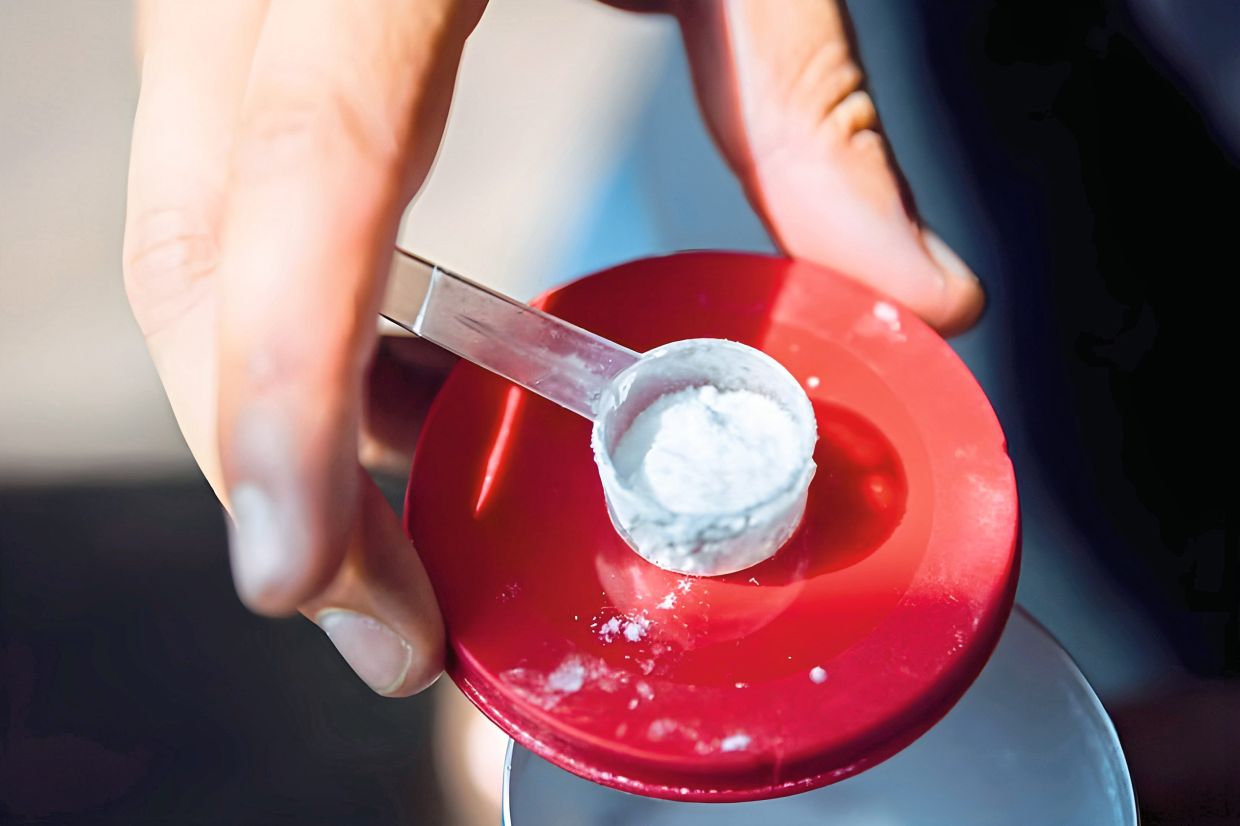
For more than fifteen years, a persistent rumor has shadowed creatine's reputation as one of the fitness industry's most effective and widely-used supplements. The claim that creatine triggers hair loss has influenced countless gym-goers and athletes to avoid the supplement entirely, despite its documented performance benefits. Now, fresh research published in 2025 has put this concern to rest, offering definitive evidence that should ease the minds of anyone hesitant to add creatine to their regimen.
The origins of the hair loss scare trace back to a single 2009 study that was subsequently misinterpreted by the public. The original research suggested that creatine supplementation might increase the conversion of testosterone to dihydrotestosterone (DHT) at an elevated rate. Since DHT is scientifically linked to androgenetic pattern baldness, this finding was seized upon and extrapolated far beyond what the data actually demonstrated. Crucially, the 2009 study never measured hair loss directly, and none of the participants reported experiencing any hair thinning whatsoever. Yet the rumor took hold and persisted largely unchallenged for more than a decade, shaping supplement decisions despite the absence of any real evidence of harm.
The scientific community's understanding of creatine has evolved substantially since that initial study. Researchers have conducted numerous investigations examining the supplement from multiple angles, yet the hair loss claim remained experimentally untested until recently. This gap in the research meant that even as other aspects of creatine supplementation became well-documented, this particular concern continued to circulate unchecked through fitness communities, online forums, and casual gym conversations across the region and globally.
The 2025 randomized controlled trial finally addressed this question directly and comprehensively. Researchers assembled a group of 45 resistance-trained men aged between eighteen and forty, randomly assigning participants to either a creatine monohydrate group receiving five grams daily or a placebo group receiving five grams of maltodextrin. The study design allowed participants to maintain their customary diets and exercise routines, creating realistic conditions that reflect how most people actually use supplements. Over the twelve-week period, researchers collected blood samples at baseline and at the conclusion to measure total testosterone, free testosterone, and DHT levels with precision.
Beyond hormonal measurements, the study employed sophisticated methods to assess actual hair health and growth. Researchers utilized the Trichogram test alongside the FotoFinder system, advanced tools that evaluate hair density, follicular unit count, and cumulative hair thickness with considerable accuracy. These measurements provided objective data about whether creatine supplementation produced any detectable changes in hair follicle function or growth patterns. Thirty-eight participants completed the full protocol, allowing researchers to draw meaningful conclusions from a solid dataset.
The findings proved unambiguous and reassuring. Researchers observed no significant differences in DHT levels between the creatine and placebo groups, nor did they find any variation in the DHT-to-testosterone ratio. More importantly, every measure of hair growth showed no meaningful divergence between those taking creatine and those receiving placebo. The authors characterized their study as the first investigation to directly measure hair follicle health following creatine supplementation, describing their results as providing strong evidence against the persistent claim that creatine causes hair loss.
The implications of this research extend beyond individual concerns about baldness. Exercise physiologists and nutrition professionals have long recognized creatine as one of the most thoroughly researched dietary supplements available, with a supporting scientific literature that exceeds most other nutritional interventions. This latest study strengthens that evidence base considerably, yet underscores how misinformation can persist even when factual data contradicts popular belief. For Southeast Asian fitness enthusiasts and athletes who may have heard similar rumors locally, this research provides authoritative reassurance grounded in rigorous methodology.
For those still harboring concerns, medical professionals recommend a straightforward approach. Registered dietitians and physicians advise that anyone worried about potential hormonal or hair-related effects should consult their primary care doctor or an endocrinologist before beginning supplementation. However, the current scientific consensus acknowledges that no conclusive evidence suggests creatine increases testosterone levels or precipitates hair loss. This distinction matters: concern alone should not override the supplement's well-documented benefits for muscle development and athletic performance.
Practical guidance for anyone considering creatine supplementation addresses common experiences during initial use. Nutrition specialists note that water weight gain of two to four pounds during the first week represents a normal physiological response to creatine loading and reflects intramuscular water retention rather than fat accumulation. For those proceeding with supplementation, experts consistently recommend selecting creatine monohydrate as the most studied and effective form, rather than exploring less-researched variants that proliferate in the supplement market.
The relationship between creatine and physical adaptation depends critically on pairing supplementation with consistent resistance training. Muscle metabolism researchers emphasize that creatine contains no calories and exerts no direct impact on fat metabolism, meaning that supplementation without accompanying exercise produces negligible results. This distinction explains why some individuals report minimal benefits: they expect the supplement to work independently, when it functions primarily as an aid to training-induced muscle development.
Medical authorities have increasingly recognized creatine as one of the rare supplements whose benefits align closely with marketing claims. Major healthcare organizations describe it as a safe, extensively-studied supplement suitable for most healthy individuals. This designation reflects decades of research across multiple populations and study designs, creating an evidence base that few dietary supplements can match. For Malaysian readers considering creatine as part of a fitness or athletic regimen, this research and professional consensus provide compelling reassurance that the hair loss rumor lacks scientific foundation and should no longer influence supplementation decisions.

