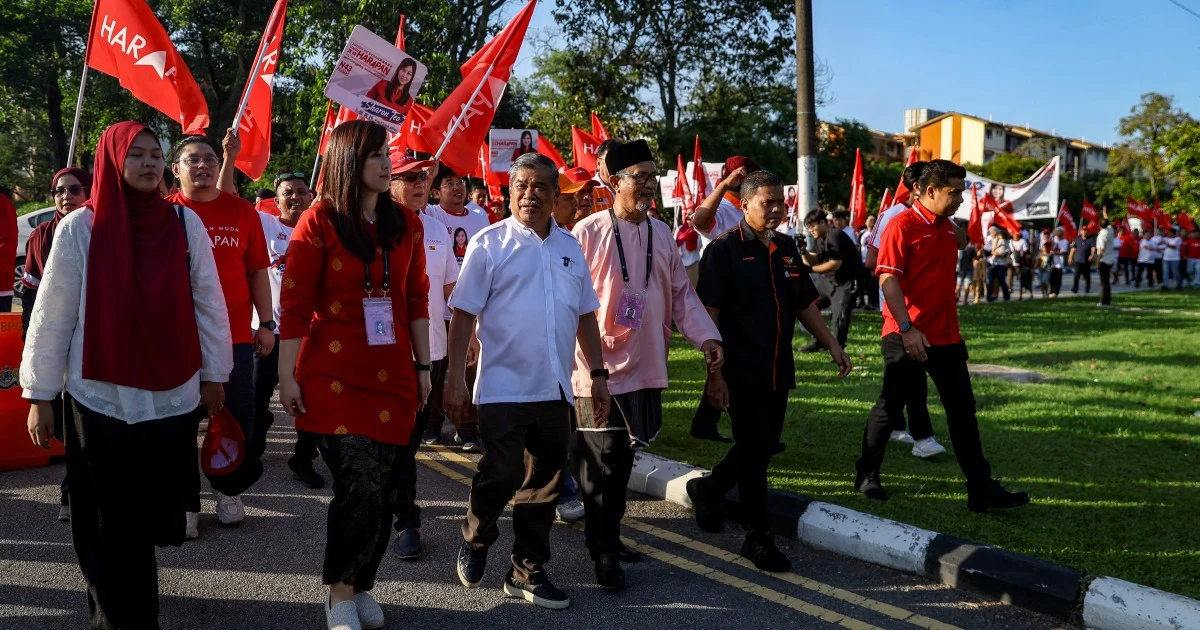
Sharon Teo's arrival at the Permas state constituency nomination centre in Pasir Gudang drew a chorus of vocal supporters who channelled their backing for the Pakatan Harapan coalition through coordinated chants. The energetic reception at Dewan Muafakat Taman Mawar illustrated the level of grassroots engagement the opposition coalition has managed to mobilise in what has become a crucial battleground for both coalitions in the ongoing Johor state election campaign.
The enthusiastic turnout for Teo's nomination underscores the high stakes involved in the Permas constituency, a seat that carries symbolic and electoral weight in the broader contest for control of the state assembly. Pakatan Harapan's decision to field Teo reflects the coalition's strategic calculations about which candidates and constituencies offer the best prospects for gains or defence against incumbent administrations in Johor. The animated support from attendees suggests the coalition has successfully energised its voter base heading into what could prove a decisive phase of campaigning.
Johor remains a pivotal state in Malaysian politics, serving as a crucial test ground for opposition parties attempting to consolidate support and expand their parliamentary footprint. The state has long been a stronghold for the ruling Barisan Nasional, but recent political shifts have made it increasingly competitive. The visible backing for Teo at the nomination event indicates that Pakatan Harapan believes it has identified constituencies where its messaging and candidates can resonate with local voters, translating support into actual electoral gains.
The chants of "Johor undi Pakatan Harapan" reveal how the coalition has crafted a simple, memorable rallying cry designed to unite disparate voter constituencies under a single banner. This type of messaging strategy serves multiple purposes: it reinforces party unity among coalition members, creates momentum through visible public displays of support, and sends a signal to undecided voters that backing Pakatan Harapan is a choice endorsed by their peers and communities. The choice to emphasise state-level voting preferences rather than individual candidate names suggests a broader coalition strategy prioritising collective branding over personality-driven politics.
For Malaysian voters in Johor and across the peninsula, such nomination events carry practical significance beyond their ceremonial aspects. These occasions formally introduce candidates to the electoral process, establish legal eligibility, and mark the transition from internal party preparations to full-scale public campaigning. The atmosphere surrounding a candidate's nomination can influence media narratives, shape public perception of momentum, and affect volunteer enthusiasm for subsequent ground operations. A well-attended nomination with vocal support generates positive coverage and encourages additional engagement from party faithful and sympathetic voters.
The Permas constituency itself represents the type of mixed urban-suburban area that has become increasingly important in Malaysian electoral calculations. These constituencies frequently contain diverse demographic groups with varying economic concerns and political preferences, making them genuine competitive battlegrounds rather than safe seats for either major coalition. Pakatan Harapan's focus on such areas reflects its strategy of targeting swing constituencies where organisational strength and effective messaging can make tangible differences to outcomes. The Permas nomination crowd suggests the coalition has invested considerably in local organising and volunteer coordination in this particular seat.
The visible support for Teo also reflects broader patterns in how Malaysian political contests have evolved to incorporate more public participation and digital amplification of campaign events. In an era where social media extends the reach of nomination events far beyond those physically present, the optics of enthusiastic crowds carry additional weight. Video footage and photographs from the Dewan Muafakat Taman Mawar event can be shared across multiple platforms, reaching voters who did not attend in person and potentially shifting their perceptions of campaign momentum and candidate viability.
For Southeast Asian observers, Johor's electoral dynamics hold interest because the state's results often presage broader regional trends and signal shifts in how Malaysian political coalitions are evolving. The strength of support visible at Teo's nomination contributes to a developing picture of Pakatan Harapan's capacity to sustain coalition unity and mobilise grassroots support in diverse constituencies. How effectively the coalition translates nomination-day enthusiasm into actual votes will provide important data about the durability of opposition political organising in Malaysia's most populous states.
The nomination process in Malaysian elections represents a critical juncture where political coalitions must present their candidates to the public and begin the intensive phase of campaigning that determines electoral outcomes. Sharon Teo's reception at the Permas nomination centre demonstrates that Pakatan Harapan has successfully created conditions for optimism among its supporters and volunteers, at least in this particular contest. Whether such enthusiasm persists through election day and translates into sufficient votes to secure victory in Permas remains the consequential question that will ultimately determine both Teo's personal political fortunes and the coalition's overall performance in the Johor state election.

