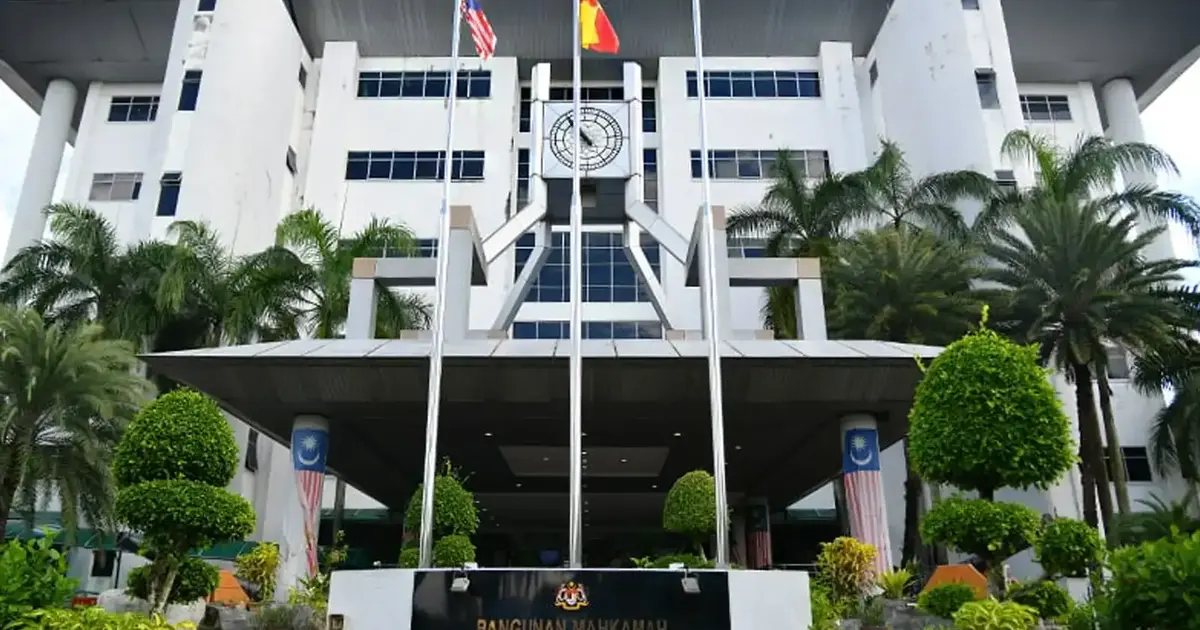
A customs enforcement official has entered a claim of trial following allegations that he accepted RM15,000 in cash from a suspect to shelve an active investigation, the latest incident to cast scrutiny on the integrity standards within the country's revenue and regulatory departments.
Fareez Akhmal Yusuf stands accused of receiving the cash payment from a 50-year-old individual on June 29, in what prosecutors contend was a deliberate effort to obstruct an ongoing customs probe. The specific nature of the underlying investigation has not been disclosed publicly, though such arrangements typically emerge from smuggling inquiries, goods violation cases, or contraband-related matters that fall under the Malaysian Customs Department's purview.
The circumstances surrounding the alleged transaction highlight a persistent vulnerability within enforcement hierarchies: the capacity of frontline officers to leverage their investigative authority for personal gain. When customs personnel possess discretionary power to initiate, suspend, or conclude inquiries, the temptation to monetise that authority can undermine the entire compliance framework that legitimate traders and importers depend upon. This structural weakness has prompted repeated calls for institutional reform across Malaysia's enforcement agencies.
Corruption within customs and revenue authorities carries cascading consequences for the broader economy. Enterprises operating legitimately face competitive disadvantages when competitors can purchase regulatory exemptions or favourable treatment through illicit payments. The resulting market distortion erodes confidence in fair competition and discourages foreign investment in sectors where such practices occur routinely. Moreover, revenue leakage from suppressed investigations directly reduces government resources available for public services, effectively imposing a hidden tax on compliant citizens.
The prosecution's case rests on documentary evidence, surveillance records, and witness testimony connecting the officer to the payment. Such cases typically involve forensic analysis of banking transactions, mobile communications, and testimony from intermediaries or the complainant themselves. The complexity of proving corruption intent—distinguishing between genuine friendship payments and deliberate quid pro quo arrangements—often requires careful presentation of circumstantial evidence that demonstrates causation between payment and investigative outcome.
For Malaysian customs authorities, this prosecution forms part of a broader accountability push that has intensified over recent years. Multiple high-profile cases involving senior officials have resulted in convictions and imprisonment, signalling that enforcement leadership takes organisational integrity seriously, at least in visible instances. However, critics argue that low-ranking officers like Yusuf often serve as convenient scapegoats while systemic weaknesses enabling corruption remain unaddressed through comprehensive institutional overhaul.
The case also raises questions about internal control mechanisms within the customs service. Modern anti-corruption frameworks typically incorporate random audits of case closures, peer review committees for high-value investigations, and whistleblower protections for officers who report suspicious conduct by colleagues. The frequency with which corruption allegations surface suggests these safeguards may require strengthening or fuller implementation across all operational levels.
Regionally, Malaysia's anti-corruption efforts are monitored closely by trading partners and international investors who evaluate operational environment risks as part of investment calculus. Episodes of customs fraud undermine the nation's reputation for regulatory predictability and can influence decisions by multinational corporations considering whether to establish regional supply chain hubs within the country. Singapore, for instance, maintains significant competitive advantage partly through perception of enforcement reliability, a distinction Malaysia must continually reinforce.
The timing of this prosecution also reflects broader social and political messaging. As public discourse increasingly emphasises anti-corruption as a governance priority, judicial proceedings against uniformed personnel signal that scrutiny extends across all hierarchies regardless of rank or institutional affiliation. This visibility serves both deterrent and legitimation functions: would-be corrupt officers recognise elevated personal risk, while citizens receive reinforcement that accountability mechanisms operate across enforcement sectors.
The trial proceedings ahead will examine whether investigative procedures were properly followed, whether the suspect's testimony regarding payment intention proves credible under cross-examination, and whether the officer's defence—which may invoke alternative explanations for the transaction—holds merit. Courts typically require evidence of deliberate corrupt intent beyond merely receiving money from someone under investigation; accidental proximity to corrupt offers requires careful unbundling from intentional participation.
Looking forward, whether Yusuf is ultimately acquitted or convicted, the case exemplifies challenges facing Malaysia's enforcement modernisation agenda. Building sustained institutional resistance to corruption demands not merely prosecuting individual transgressors, but systematically addressing the environmental factors that create incentive structures for wrongdoing in the first place. Technology adoption, process transparency, and career incentives tied to integrity records all warrant serious consideration as complementary reform strategies.
The outcome will likely influence how customs service leadership approaches internal discipline and preventive measures in coming months. Such prominent cases often catalyse temporary intensification of compliance reviews, increased rotation of personnel to reduce familiarity-based arrangements, and renewed emphasis on anti-corruption training across the department. Whether these responses prove sustained or performative will determine whether incidents like this represent genuine institutional turning points or merely cyclical crackdowns on isolated individuals.

