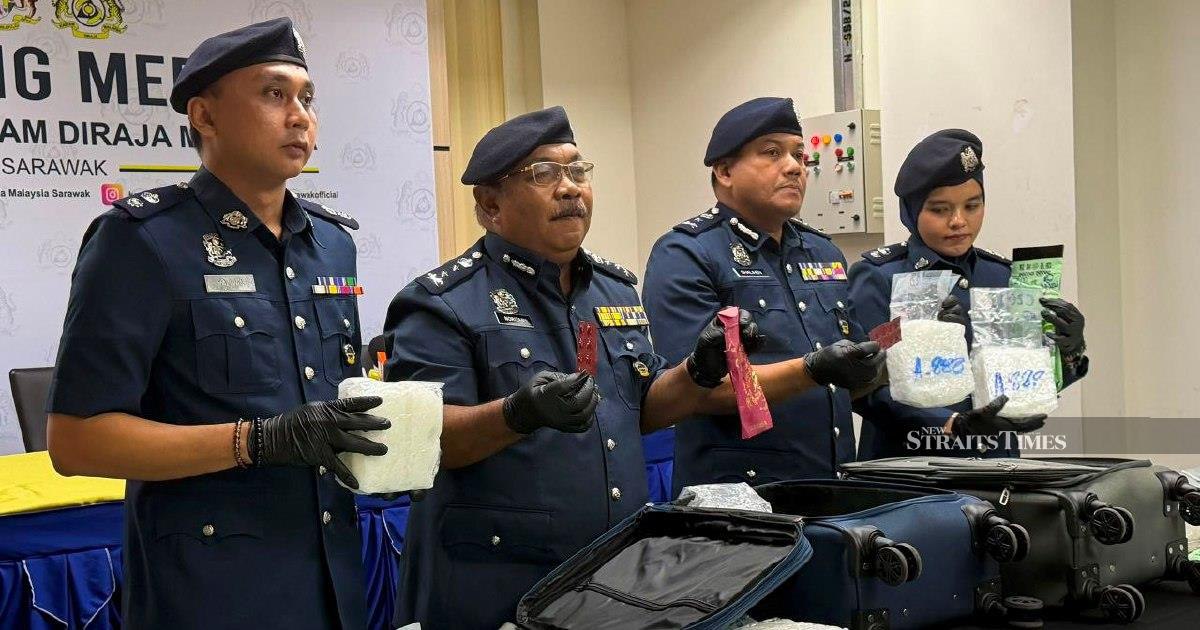
The Sarawak Customs Department has intercepted a significant drug smuggling operation at Kuching International Airport, uncovering narcotics with an estimated street value of RM1.32 million during a coordinated enforcement action on July 9. The interception resulted in the arrest of two men suspected of involvement in the trafficking scheme, marking another successful operation by the state's customs enforcement team in combating drug trafficking through the airport's cargo and passenger terminals.
Airports serve as critical chokepoints in the regional drug trade, and Kuching International Airport has become an increasingly important transit point for traffickers attempting to move contraband between Southeast Asia's major hubs. The airport's connectivity to regional networks, combined with its status as a major commerce centre for East Malaysia, makes it an attractive target for organised trafficking groups. Customs agencies across the region have intensified surveillance and screening protocols in response to evolving smuggling tactics and the sophistication of modern trafficking operations.
The seizure demonstrates the effectiveness of intelligence-led enforcement strategies deployed by Sarawak Customs in monitoring passenger arrivals and cargo movements. The department's detection capabilities have been strengthened through enhanced training, deployment of advanced screening equipment, and coordination with intelligence units. The swift apprehension of the two suspects reflects the readiness of frontline officers to respond to suspicious activity flagged during routine inspections and screening procedures.
Major drug seizures at Malaysian airports have become routine occurrences, with Kuching International Airport recording numerous interceptions over recent years. These operations target multiple drug types, including methamphetamine, heroin, and cocaine, reflecting the diverse sourcing patterns of trafficking networks operating across Southeast Asia. The region remains vulnerable to drug trafficking due to geographical proximity to source countries in the Golden Triangle and Golden Crescent, combined with permeable borders and sophisticated criminal logistics.
The arrested individuals will face investigation under Malaysia's Dangerous Drugs Act, which carries severe penalties for trafficking offences. Sentencing guidelines for drug smuggling in Malaysia are among the region's strictest, with potential imprisonment of up to 40 years depending on the quantity and type of substances involved. The penalty provisions serve as a deterrent, though traffickers continue to attempt sophisticated concealment methods and new routing strategies to evade detection.
This interception contributes to Sarawak's broader law enforcement efforts against organised drug trafficking. The state has been designated as a priority enforcement zone due to its geographical characteristics and cross-border vulnerability. Customs operations are coordinated with other agencies including the Royal Malaysia Police's narcotics division and the Malaysian Anti-Corruption Commission to disrupt trafficking networks operating across state and international borders.
The timing of the seizure aligns with sustained pressure on trafficking routes across Southeast Asia, as multiple nations have strengthened customs cooperation and information-sharing protocols. Regional agreements have facilitated faster intelligence dissemination among Malaysian, Indonesian, Thai, and other neighbouring authorities, enabling more effective targeting of high-risk cargo and passengers. This collaborative approach has proven particularly effective in disrupting trafficking patterns that previously exploited gaps in enforcement coordination.
Drug trafficking generates substantial proceeds for organised crime networks operating across Southeast Asia, funding wider criminal enterprises including human trafficking and arms smuggling. The RM1.32 million seizure represents a material disruption to trafficking finances, though enforcement agencies acknowledge that successful interdictions address only a portion of total drug flows through the region. Intelligence assessments suggest that for every successful seizure, multiple shipments successfully transit border points, highlighting the challenge of comprehensive drug supply interdiction.
The arrest of the two individuals presents opportunities for intelligence development regarding broader trafficking networks, organisational structures, and source-destination relationships. Customs agencies typically work with investigative units to develop conspiracy cases that extend beyond individual couriers to higher-level organisers and financiers. Information obtained during interrogation of arrested suspects has historically proved valuable in identifying previously unknown trafficking routes and international partner organisations.
For Malaysian readers and the broader region, this seizure underscores the persistent threats posed by organised drug trafficking and the ongoing importance of adequately resourced customs and law enforcement operations. Airports remain critical enforcement frontiers requiring sustained investment in technology, training, and personnel. As trafficking methods evolve, enforcement agencies must continue adapting detection strategies and cross-border cooperation frameworks to maintain operational effectiveness.
The Sarawak Customs Department's success in this operation reflects institutional commitment to border security and drug interdiction. Continued focus on airport security, intelligence-led enforcement, and international cooperation will be essential to sustaining these enforcement gains and disrupting larger trafficking networks that threaten public health and security across Malaysia and the broader Southeast Asian region.

