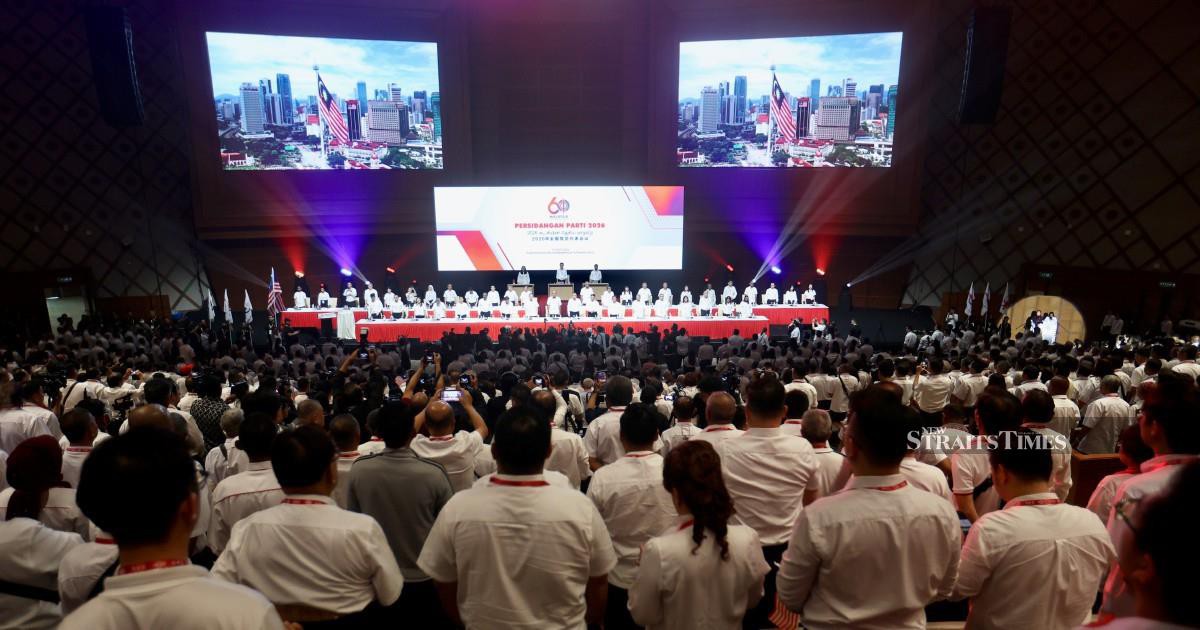
The Democratic Action Party (DAP) has formally decided to maintain its ministerial positions within the current Cabinet, providing crucial stability to Prime Minister Anwar Ibrahim's administration as it navigates the latter stages of the parliamentary cycle. The decision, ratified through internal party processes, signals the party's commitment to sustaining the political coalition that has held power since November 2022.
This development carries significant weight in Malaysia's evolving political landscape, where coalition cohesion has repeatedly proven to be fragile. The DAP's affirmation to remain through the completion of the parliamentary term—potentially extending until mid-2023 if the government survives without early dissolution—essentially locks in one of the Anwar administration's most important non-Malay, non-Islamic political partners. The party holds several cabinet portfolios covering critical ministries, and its continued participation is essential for maintaining the government's parliamentary majority.
The DAP's decision reflects a calculated assessment of the political environment. Remaining in the Cabinet positions the party to continue implementing policies aligned with its modernisation agenda and urban-focused constituency interests. Withdrawal would risk relegating the party to the opposition benches, where it would have limited influence over governance matters affecting its base in Peninsular Malaysia's urban centres and Sarawak constituencies. This practical consideration likely weighed heavily in the party's deliberations.
For the Anwar administration, the DAP's reaffirmation represents a stabilising force amid ongoing challenges to coalition unity. Malaysia's fractious political system has witnessed numerous instances of partner parties withdrawing support, destabilising governments or forcing costly negotiations and ministerial reshuffles. The DAP's public commitment reduces uncertainty about the government's survival prospects and strengthens Anwar's hand in managing the complex dynamics between Pakatan Harapan and its other coalition partners, including Parti Pribumi Bersatu Malaysia and various regional parties.
The party's decision also reflects evolving calculations within DAP's leadership regarding optimal positioning for potential future elections. By remaining integrated into the government apparatus rather than retreating to opposition status, DAP maintains visibility in governance and can claim credit for any policy successes implemented through its ministerial contributions. This positioning could prove advantageous for building electoral momentum should elections be called, as the party demonstrates its capacity to govern and deliver results on its policy commitments.
Regionally, the DAP's continued Cabinet participation carries implications beyond Malaysia's borders. The party's presence in government illustrates the possibilities for non-Islamic parties in Muslim-majority Southeast Asian democracies, maintaining representation for secular, modernist, and minority-interest perspectives at the highest echelons of power. This has symbolic importance for understanding Malaysia's trajectory as a pluralist democracy navigating the tension between Islamic governance and secular administrative frameworks.
However, the decision also invites scrutiny regarding the party's ability to advance its legislative agenda effectively within a coalition government notorious for protracted negotiations and compromises. Cabinet participation requires balancing party principles against coalition necessities, a tension that periodically generates internal party debate. The DAP's continued presence in government will be tested by its capacity to translate ministerial authority into tangible outcomes that resonate with its supporters while avoiding the perception of co-optation by the broader coalition agenda.
The timing of this formal affirmation matters considerably. As the parliamentary term progresses and electoral preparations intensify, coalition partners frequently reassess their commitments. By declaring its intention to complete the current term, DAP reduces speculation about potential withdrawal and provides Anwar with the political certainty necessary to plan medium-term governance priorities. This becomes increasingly valuable as the government approaches the electoral threshold, when defections become most likely due to declining confidence in re-election prospects.
Looking forward, the DAP's decision essentially extends a vote of confidence in Anwar's stewardship of the coalition. This endorsement does not imply uncritical support—the DAP has periodically objected to specific policies, particularly concerning Islamic affairs and religious freedom issues. Rather, it suggests the party calculates that continued participation offers better prospects for advancing its interests than opposition would provide.
The party's commitment also reflects its strategic position within urban Malaysian politics. DAP represents constituencies where economic stability and institutional effectiveness matter most to voters. The party's decision to remain in Cabinet signals confidence that the Anwar administration can deliver on governance matters, and maintains the party's connection to executive decision-making affecting urban economic policy, education, and infrastructure development.
For students of Malaysian politics, the DAP's affirmation demonstrates how coalition governments function through managed interdependence rather than unified command structures. Partner parties negotiate space for their priorities while accepting broader coalition discipline on critical votes. This arrangement, despite its manifest fragility, has become the established mode of governance in contemporary Malaysia.

