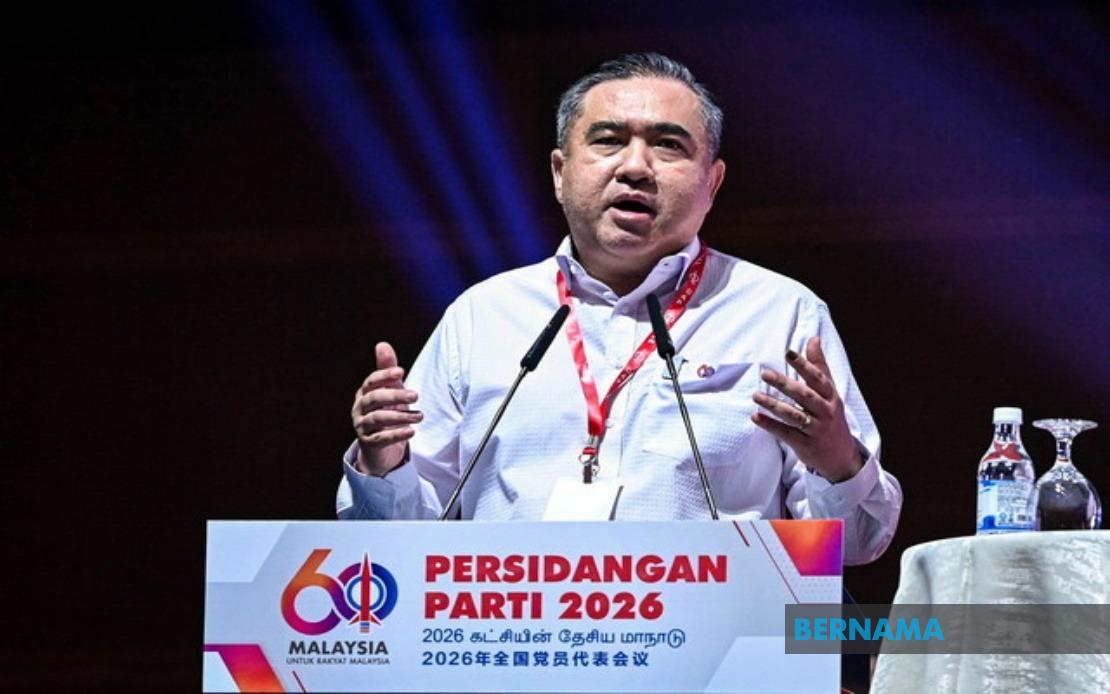
The Democratic Action Party has signalled full backing for the government's initiative to dismantle the Universities and University Colleges Act (AUKU) 1971, with party secretary-general Anthony Loke declaring the decision a milestone achievement following prolonged advocacy. Speaking at the DAP 2026 National Conference held at the Putrajaya International Convention Centre, Loke framed the repeal as testament to the party's commitment to substantive governance beyond merely occupying ministerial positions, emphasising DAP's role in driving systemic change rather than simply administering existing structures.
Prime Minister Datuk Seri Anwar Ibrahim unveiled the repeal proposal during the PKR 2026 National Congress, positioning the move as a response to student leaders' petitions for sweeping legislative overhaul. The Cabinet is scheduled to deliberate the proposal the following Wednesday, signalling governmental momentum behind the initiative. Anwar justified the action by citing the necessity to expand democratic space and freedom of association within Malaysia's higher education landscape, areas that have long chafed under AUKU's stringent provisions governing campus activism and political engagement.
Loke seized the opportunity to broaden the reform agenda beyond AUKU alone, calling on Anwar to maintain comparable reformist zeal across complementary education priorities. He specifically highlighted the need to guarantee equal access to higher learning for all Malaysians irrespective of ethnicity, a perennial concern within DAP's policy platform. By linking AUKU repeal to wider educational equity objectives, Loke positioned the party as advancing a holistic vision of systemic transformation rather than celebrating a single legislative victory.
The AUKU framework has undergone seven amendments since its 1971 enactment, reflecting periodic pressures to modernise its constraints. A watershed moment arrived in 2012 when authorities permitted students to engage in political party activities beyond campus boundaries, marking the first substantial liberalisation of restrictions on student political expression. This incremental loosening of controls demonstrated how the legislation, though foundational, had become increasingly misaligned with contemporary expectations regarding student autonomy and civic participation.
More recent adjustments accelerated the pace of reform. In 2024, amendments to Section 16B transferred disciplinary authority over university students from vice-chancellors to newly established Student Disciplinary Committees, effectively decentralising and potentially democratising enforcement mechanisms. The same legislative cycle saw Section 15A reformed to permit Student Representative Councils and affiliated bodies to fundraise and solicit contributions with greater flexibility, subject only to existing regulations and statutory requirements. These modifications suggested a gradual institutional acceptance that student bodies required financial independence to function meaningfully.
The cumulative effect of these amendments gradually eroded AUKU's original restrictive architecture, yet advocates argue that piecemeal revision falls short of fundamental transformation. Complete repeal would sever remaining legislative constraints on student organising, political affiliation, and assembly rights that AUKU perpetuates despite successive amendments. For student activists and their political allies, the distinction between reform and abolition carries profound symbolic and practical weight, representing the difference between negotiating within a restrictive framework versus operating freely under general law.
DAP's emphatic endorsement positions the party alongside student voices and civil liberties advocates who have long contested AUKU's legitimacy within a functioning democracy. The party has woven opposition to the legislation into its broader democratic reform agenda for decades, making the government's receptiveness to repeal a validating moment for that persistent advocacy. However, Loke's immediate pivot toward additional education reforms suggests that internal DAP calculations view AUKU repeal as an opening rather than an endpoint, part of a larger conversation about Malaysia's educational philosophy and equity.
The timing of this proposal carries political significance for the Anwar administration's reformist credentials. By advancing AUKU repeal early in his tenure, the government demonstrates responsiveness to civil society demands and aligns itself with student movements that had previously viewed government institutions with suspicion. For DAP, participating in an administration that implements decade-old party demands validates coalition participation and provides tangible policy achievements to present to supporters who harbour reservations about participating in government alliances.
Regional context adds nuance to Malaysia's trajectory. Across Southeast Asia, universities navigate tensions between state control and academic freedom, with several countries maintaining legislation that curtails student political expression. Thailand's internal security apparatus, Indonesia's complicated relationship with student organising, and Vietnam's restrictions on campus activism illustrate the region's broader pattern of state caution toward student mobilisation. Malaysia's proposed move toward legislative liberalisation potentially distinguishes it within the regional landscape, though implementation and actual operational freedom will ultimately determine substantive impact.
The Cabinet deliberation scheduled for the following Wednesday represents the formal administrative gateway through which the repeal proposal must pass. While government backing and DAP support create momentum, parliamentary procedures and potential opposition from other constituencies within or outside the coalition could shape the final legislative outcome. The government's apparent unity on the principle suggests navigating the legislative process should prove manageable, though Loke's simultaneous call for expanded reforms indicates ongoing negotiation over the comprehensiveness of educational transformation.
For Malaysian universities, repeal would fundamentally restructure governance relationships between institutions, students, and political authorities. Current administrators accustomed to AUKU-derived disciplinary powers would require revised protocols and organisational cultures receptive to greater student autonomy. Whether universities embrace this transition enthusiastically or navigate it reluctantly will significantly influence whether AUKU's abolition translates into meaningful operational change or merely eliminates statutory language while institutional practices persist.
The proposal also intersects with Malaysian higher education's ongoing struggles to compete internationally and retain talented students amidst concerns about academic freedom and campus culture. International rankings increasingly factor academic freedom and governance metrics into institutional assessments, suggesting that AUKU repeal may carry reputational benefits beyond domestic democratic considerations. Universities seeking enhanced global standing may welcome legislative clarity favouring institutional autonomy and student rights as markers of progressive governance.

