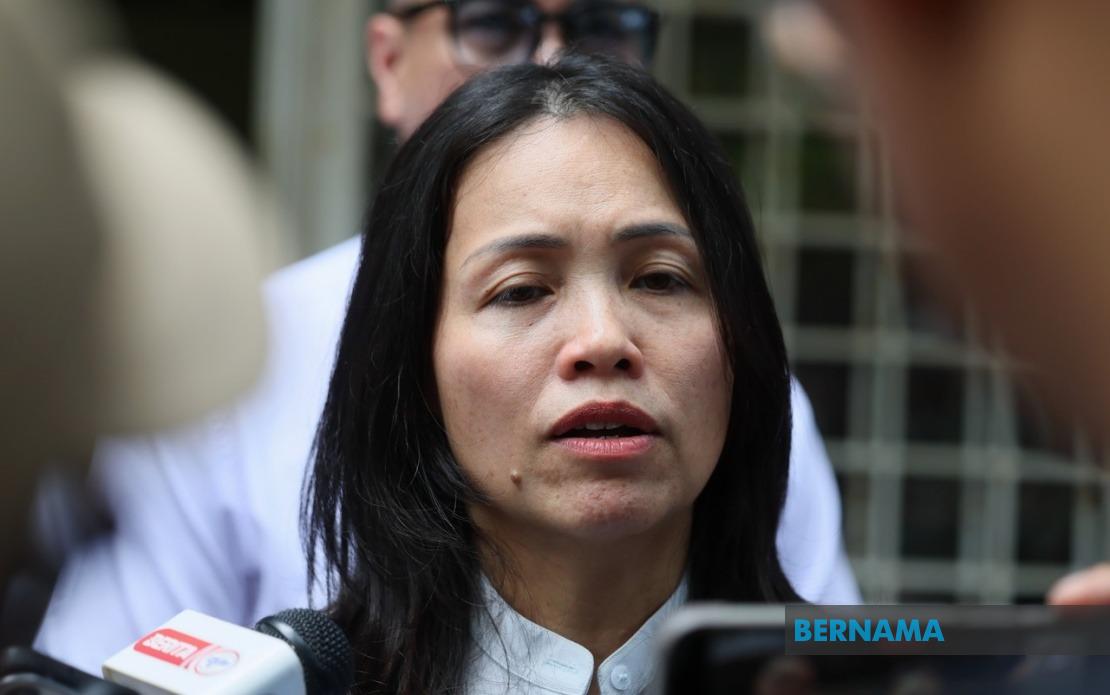
Johor's Democratic Action Party is calling on voters to reject what it characterises as deliberate misinformation tactics in the run-up to the state election, with party chairman Teo Nie Ching specifically flagging the circulation of altered campaign posters as part of a coordinated effort to undermine opposition support. The manipulation involves digitally modifying images of potential DAP candidates to depict them as Muslim women wearing headscarves in ways intended to appear improper or controversial, according to the party's account of the incidents.
Teo, who also serves as Deputy Communications Minister and chief of Wanita DAP, contends that this particular strategy is designed to trigger anxieties among non-Malay voters, particularly within the Chinese electorate, with the goal of shifting support away from Pakatan Harapan in the forthcoming contest. By weaponising religious imagery and playing on potential sensitivities around interfaith representation, those behind the campaign are attempting to fracture the coalition's voter base during a critical election period.
The DAP hierarchy has taken pains to clarify its own position on religious matters, stating unequivocally that the party maintains respect for all faiths and recognises the significance of religious dress within Muslim practice. Teo emphasised that trivialising sacred elements of any religion—including the headscarf—contradicts DAP's core values and that those engaging in such behaviour are acting in bad faith.
Beyond the religious dimension, the party argues that the poster manipulation campaign reflects a broader contempt for women in politics. By altering the appearance and presentation of female candidates through digital manipulation, Teo suggests that the operation reveals the perpetrators' willingness to disregard basic standards of respect and dignity. This dimension has resonated particularly within women's rights circles, where the tactics are viewed as exemplifying how female politicians face uniquely personal and appearance-based attacks.
The timing of these allegations is significant given the Election Commission's schedule for the Johor contest. Nomination day has been fixed for June 27, with the actual polling taking place on July 11, following the dissolution of the state legislative assembly on June 1. This compressed timeline means that smear tactics gain particular potency, as they can circulate widely before candidates have adequate opportunity to respond or clarify their positions.
Johor's electoral landscape heading into this contest involves a complex multiparty configuration. Barisan Nasional previously dominated the 56 state seats with 40 representatives, while Pakatan Harapan held 12 seats, Perikatan Nasional controlled three seats, and MUDA occupied a single seat. The redistribution of these seats and the realignment of voter preferences will be shaped significantly by the messaging environment and the credibility of information sources in the weeks before voting.
For Malaysian voters, particularly those in Johor, the warnings from DAP reflect a wider concern about election integrity and the use of manipulated media in political campaigns. The proliferation of deepfake technology and sophisticated image editing tools has made it increasingly difficult for ordinary citizens to distinguish genuine campaign materials from fabricated ones, creating vulnerabilities that unscrupulous operators can exploit.
The focus on targeting the Chinese community also underscores how communal divisions remain a fault line in Malaysian politics, with certain actors willing to deliberately weaponise religious and ethnic sensitivities to achieve electoral advantage. This approach contradicts the inclusive narrative that Pakatan Harapan and DAP seek to promote, centring on multiethnic cooperation and mutual respect across Malaysia's diverse population.
Teo's call for voters to embrace harmony, unity, and peace reflects an attempt to reframe the election debate around higher principles, even as the immediate campaign environment becomes more contentious. Whether such appeals can counteract the potency of visual manipulation and emotionally charged false narratives remains an open question in contemporary Malaysian politics.
The incident also highlights the responsibility of political parties and candidates to maintain ethical standards in campaign conduct, as well as the importance of media literacy among the electorate in resisting manipulation. As Malaysia continues to navigate increasingly complex electoral dynamics, the capacity of voters to critically evaluate information sources and distinguish fact from fabrication will be central to maintaining democratic integrity.