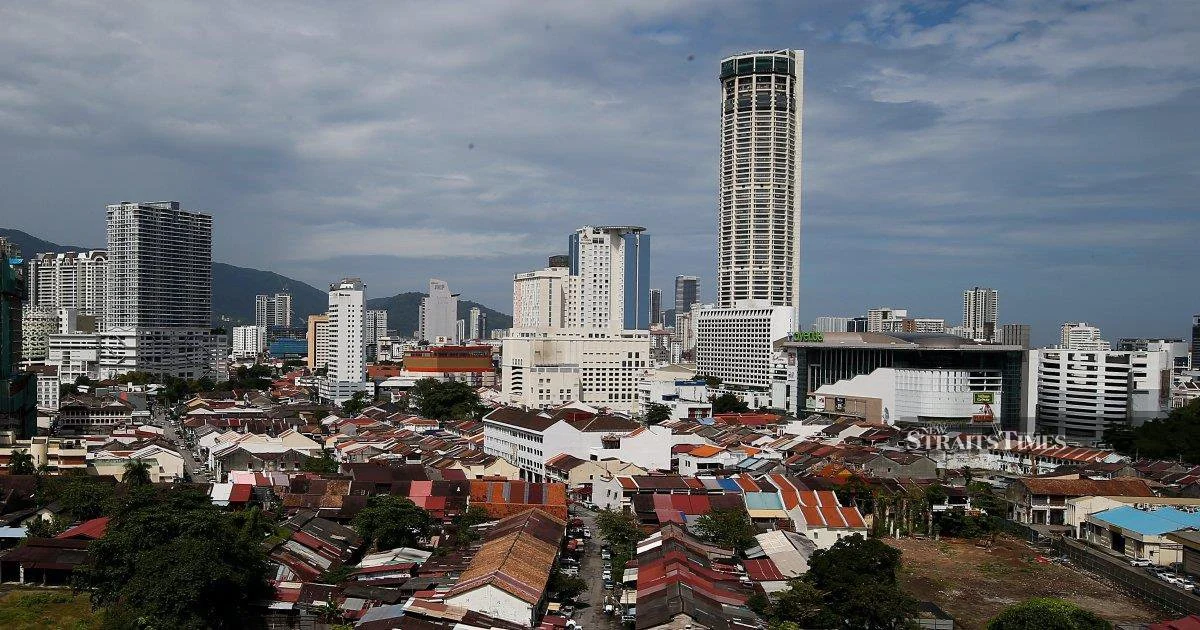
The Penang DAP Socialist Youth (Dapsy) has moved to counter what it characterises as a propaganda campaign by environmental organisation Sahabat Alam Malaysia (SAM), which has termed the Penang South Reclamation (PSR) project an 'illegal island'. This latest salvo in a long-running dispute comes after SAM's attempt to challenge the project through the courts ended in failure, marking a significant moment in the contentious development.
The terminology deployed by SAM carries particular weight in Malaysia's environmental discourse, where concerns about coastal development and ecological impact have increasingly shaped public debate and legal strategy. By framing the reclamation as 'illegal', SAM sought to position the project not merely as environmentally problematic but as fundamentally invalid under law. Dapsy's response suggests the youth wing sees this language as deliberately inflammatory rather than grounded in established legal rulings or factual accuracy.
The Penang South Reclamation initiative represents one of Southeast Asia's largest ongoing coastal development schemes, with implications extending well beyond Penang's shores. Located off the coast of Penang island, the project involves the creation of new land from the sea through systematic filling operations. This type of reclamation has become increasingly common across Asia's rapidly developing economies, driven by land scarcity, urban expansion pressures, and commercial ambitions. However, each such project generates fierce environmental scrutiny given the documented impacts on marine ecosystems, fisheries, and coastal communities.
SAM's court challenge represented an attempt to use Malaysia's legal framework to halt or fundamentally alter the project. The environmental advocacy group has consistently maintained that the reclamation violates environmental regulations, disrupts critical marine habitats, and threatens the livelihoods of fishing communities dependent on the surrounding waters. The fact that SAM pursued a judicial avenue indicates confidence in the strength of their legal argument, at least in the organisation's assessment. The court's decision to reject the appeal therefore carries substantial implications for how environmental concerns around major infrastructure projects will be addressed going forward.
Dapsy's characterisation of 'illegal island' labelling as propaganda reflects a broader pattern within Malaysian political discourse where competing stakeholders employ language strategically to shape public perception. The youth wing's response indicates that proponents of the PSR view environmental opposition not as legitimate regulatory concerns but as coordinated messaging designed to delegitimise development. This framing also allows project supporters to dismiss environmental arguments without necessarily engaging with specific technical or scientific claims about impacts on marine ecosystems or fishing grounds.
The Penang state government, which has championed the PSR project, has historically positioned the development as essential for economic growth, job creation, and addressing housing shortages within the rapidly urbanising state. From this perspective, the project represents pragmatic governance responding to material needs of Penang's growing population. Environmental safeguards, according to project advocates, have been incorporated into the design and implementation framework. The project's supporters argue that concerns about its legality lack merit given that it proceeded through appropriate government approval channels and obtained necessary permits.
SAM's defeat in court raises important questions about the evidentiary bar for challenging major infrastructure projects on environmental grounds in Malaysia. The organisation evidently failed to convince the judiciary that the project contravened applicable law, despite marshalling arguments about its illegality. This outcome may discourage similar legal challenges to other reclamation or development projects, or it may prompt environmental groups to refine their legal strategies and evidence gathering approaches. The implications extend beyond Penang, as other coastal states contemplating significant marine development may interpret this ruling as a signal that courts will be reluctant to intervene once projects achieve government approval.
The broader context includes Malaysia's efforts to position itself as a competitive economy and investment destination. Major infrastructure and real estate developments, particularly in states like Penang which have attracted substantial foreign investment, are viewed by government as indicators of progress and modernity. Environmental objections, from a development-focused perspective, risk dampening investor confidence and slowing economic activity. This tension between development imperatives and environmental protection remains unresolved within Malaysia's governance framework, with courts often weighing statutory compliance against the substance of environmental claims.
Dapsy's intervention reflects the political dimension to infrastructure disputes in Malaysia, where youth wings of ruling coalition parties frequently mobilise to defend government initiatives against criticism. By labelling environmental opposition as propaganda rather than engaging substantively with specific concerns, Dapsy positions itself as defending not merely the PSR but a broader model of state-directed development. This approach may strengthen support among party members and development-oriented constituencies but risks deepening divisions with environmental activists and communities expressing genuine concerns about coastal impacts.
Looking ahead, the Penang South Reclamation will likely continue to generate controversy despite SAM's legal setback. Environmental concerns about such projects typically persist and evolve as construction proceeds and actual impacts become observable. Other stakeholders, including fishing associations, coastal residents, and additional NGOs, may pursue alternative strategies to challenge the project's implementation or demand greater environmental accountability. The development also serves as a case study for how Malaysian courts approach environmental regulation when weighed against state development priorities—a balance that will shape environmental governance for years to come.

