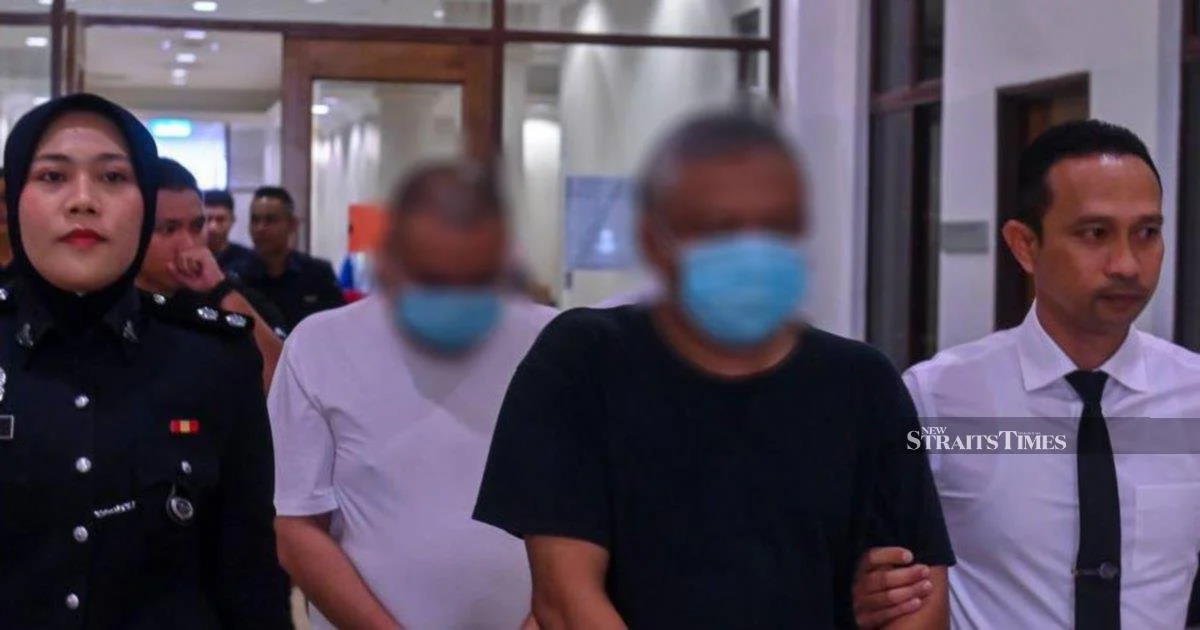
Authorities in Kuantan have taken into custody a businessman granted the title of Datuk alongside his assistant, with investigations focusing on a forged document that bore the official coat of arms of the Tengku Mahkota of Pahang. The case underscores a growing concern among Malaysian law enforcement agencies regarding document fraud schemes that attempt to lend legitimacy to illicit transactions by impersonating royal institutions.
The arrest highlights how high-profile titles confer significant social standing in Malaysian society, making individuals bearing such designations particularly influential in business dealings. A Datuk title, typically bestowed by state rulers or the federal government in recognition of contributions to society, carries considerable weight in commercial negotiations and can serve as a trust signal to unsuspecting partners. When such authority is weaponised through fraudulent means, it becomes a particularly insidious form of deception.
Forging royal documents represents a serious breach of protocol within Malaysia's constitutional monarchy framework. The Tengku Mahkota of Pahang holds a position of considerable significance within the state's hierarchy, and the misuse of official symbols linked to the royal institution carries both legal and ceremonial implications. Authorities treat such matters with particular gravity as they directly compromise the dignity of the monarchy and the credibility of official state communications.
The involvement of an assistant in the scheme suggests this was not merely an individual act of wrongdoing but potentially an organised operation with deliberate roles assigned to different participants. Such structure typically indicates premeditation and a systematic approach to deception, which investigators would use to determine whether additional suspects or victims existed. The assistive role could have encompassed document production, distribution, or facilitation of fraudulent transactions.
Document forgery remains a persistent challenge across Southeast Asia despite increased digitalisation efforts. The traditional authority granted by physical letters with official seals or stamps continues to hold psychological and practical weight in many transactions, particularly where digital verification systems remain incomplete or untested. This vulnerability creates ongoing opportunities for sophisticated fraudsters who understand both technological and social aspects of trust-building in business contexts.
Malaysian authorities have progressively enhanced investigative capabilities for white-collar crime, with the Commercial Crime Investigation Department and state police units developing specialised expertise in detecting forged correspondence. The arrest in Kuantan reflects these operational improvements, though the case also demonstrates that significant gaps remain in preventing such schemes from progressing to the point of arrest.
The implications extend beyond the immediate legal consequences for the two individuals arrested. Organisations that received communications purporting to come from the Tengku Mahkota's office face reputational risks and potential liability concerns if they acted upon the fraudulent correspondence. Additionally, the scheme raises questions about internal processes within state institutions regarding the security of official symbols and the authentication protocols in place when third parties receive communications bearing royal insignia.
Business communities across Malaysia and the broader region face heightened risks from such sophisticated fraud approaches. Datuk-titled individuals wield considerable commercial influence, and a forgery scheme weaponising both this social capital and royal symbols targets the intersection of multiple trust mechanisms. Companies engaged in cross-border transactions or dealing with high-value contracts increasingly face pressure to implement rigorous verification procedures that extend beyond accepting official-looking documentation at face value.
The timing of such investigations often reveals how fraud operations can remain undetected for extended periods before authorities intervene. Victims may initially attribute suspicious activities to legitimate business complexities or communication breakdowns before recognising the pattern of deception. This delay between the commission of fraud and its detection creates windows during which additional damage accumulates.
For investors and business partners evaluating opportunities in Malaysia, this case reinforces the necessity of independent verification when presented with high-value proposals supported by high-profile figures or impressive-looking official correspondence. Due diligence protocols should now routinely include direct contact with relevant institutions to authenticate letters bearing official seals or royal insignia, rather than relying on the documents presented by the proposing party.
The prosecution of this case will likely establish important precedents regarding the severity with which Malaysian courts treat the combination of document forgery with the misuse of royal symbols. Such legal developments carry implications for future cases and may influence how businesses approach authentication protocols across the region.

