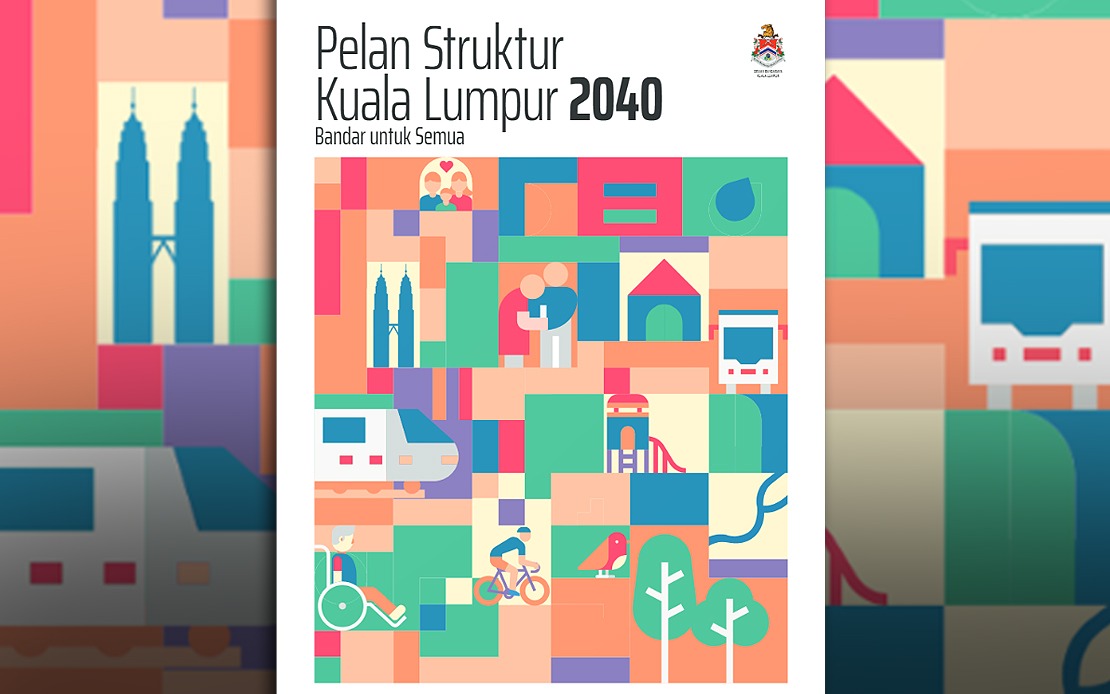
Kuala Lumpur City Hall (DBKL) has granted an extension to the application deadline for amendments to the Kuala Lumpur Local Plan 2040 (PTKL2040), pushing the submission window to 5 pm on August 7. The decision reflects DBKL's recognition that property owners, development companies, and other interested parties require substantially more time to prepare the necessary documentation and justify their proposed changes to the capital's strategic urban plan.
The extended timeline represents a significant administrative move in Kuala Lumpur's planning governance, as the PTKL2040 forms the backbone of the city's spatial development strategy through 2040. Applications for amendments allow stakeholders to request modifications to existing planning provisions that may no longer align with their operational needs, market conditions, or development aspirations. By broadening the submission window, DBKL is attempting to ensure that all eligible parties have realistic opportunities to engage with the formal amendment process.
For applications to be considered valid, prospective applicants must submit a comprehensive Letter of Intent that articulates the reasoning behind their proposed amendment request. This documentation must be accompanied by a clearly marked location map or detailed site plan showing the affected area, as well as the most recent land title documentation confirming ownership or registered interest in the subject property. These requirements are designed to establish a transparent and verifiable basis for evaluating amendment proposals against existing planning policies and public interest considerations.
The amendment pathway is governed by Section 17 of the Federal Territory (Planning) Act 1982, the primary statutory framework governing land use planning in the federal territories. This legislative provision establishes the procedural mechanisms through which PTKL2040 can be modified to accommodate changing circumstances while maintaining the integrity of the broader planning framework. The formal process ensures that amendments undergo proper scrutiny before implementation, protecting both individual property rights and broader community interests.
Applications may be lodged either through direct submission to the City Planning Department (JPRB) on the ninth floor of Menara DBKL 1 along Jalan Raja Laut, or alternatively through electronic transmission to the designated email address. This dual submission pathway accommodates different applicant preferences and accessibility requirements, though all submissions must contain identical documentation regardless of delivery method. Both channels are monitored by the same departmental unit to ensure consistency in processing.
For certain applications, DBKL has indicated that applicants will be required to commission the preparation of a Local Plan Amendment Proposal Report (LCPPT). The need for this specialized report depends on the scope and complexity of the proposed amendment, and when mandated, applicants must engage a Registered Town Planner to conduct the analysis and prepare the formal proposal document. This requirement ensures that complex amendments receive professional planning analysis before reaching the evaluation stage, thereby maintaining technical standards across the amendment portfolio.
Resourceful applicants can access both the Application Checklist and the comprehensive Kuala Lumpur LCPPT Manual through the Kuala Lumpur Development Plan website, providing the technical guidance necessary to navigate the submission process correctly. These publicly available materials clarify expectations regarding document formatting, content requirements, and procedural steps, reducing the likelihood of incomplete or deficient applications that would require resubmission and delay project timelines. Access to these guidelines democratizes the amendment process by ensuring that applicants of all sizes and sophistication levels understand what is required.
DBKL has specifically urged all interested stakeholders to utilize the extended deadline period strategically, ensuring that applications are compiled thoroughly and presented in an organized and complete manner. This messaging serves a dual purpose: it encourages timely action while also signaling that DBKL intends to maintain rigorous standards for application completeness. Submissions lacking required documentation or containing ambiguous justifications are likely to face delays during the evaluation phase, creating disincentives for rushed or incomplete submissions.
The extension carries particular significance for Kuala Lumpur's development sector, which has been navigating evolving urban planning priorities and sustainability mandates in recent years. Developers and property owners seeking to adapt their holdings to new market opportunities, changing commercial requirements, or revised land use strategies now have an additional month to formalize their amendment requests. For those holding land parcels under PTKL2040 designations that no longer reflect their development intentions or market realities, the extended deadline removes time pressure that might otherwise have forced hurried submissions.
This procedural move also reflects broader patterns in Malaysia's planning administration, where balancing statutory requirements with practical accommodation of stakeholder needs remains an ongoing challenge. Municipal and federal authorities across the country frequently adjust application deadlines when initial submission periods prove insufficient for the complexity of required documentation. DBKL's decision aligns with recognized best practices in responsive governance, where extension mechanisms acknowledge that detailed planning submissions genuinely require extended preparation periods.
The August 7 deadline now provides a defined endpoint for the amendment submission window, establishing clarity for planning professionals, development companies, and property owners managing their organizational calendars. This timing also allows DBKL's technical team to batch-process submissions during a defined period before commencing the formal evaluation and recommendation phases. For developers with projects dependent on planning amendments, the extended deadline offers a final opportunity to submit applications while awaiting potential approval outcomes later in the year.
Moving forward, stakeholders should recognize that submission before the deadline represents merely the initiation of the amendment process, not its conclusion. Following submission, DBKL's planning department will conduct technical reviews, potentially request clarifications or supplementary information, and determine whether proposed amendments warrant advancement to the public notification and consultation phases. The extended application deadline thus represents an important but preliminary step in what typically constitutes a multi-stage planning process extending across many months.

