Kuala Lumpur City Hall (DBKL) has moved to formally acquire land that forms the basis of a dispute over access routes in the Sentul neighbourhood, where a public thoroughfare has operated on private property for an extended period. The initiative addresses a mounting community concern that erupted into public attention recently when the landowner blocked the road, prompting residents to air grievances on social media platforms over disruptions to their primary transportation corridor. The administrative step represents an effort to regularise an arrangement that had persisted without formal documentation or compensation to the rightful owner.
Mayor Datuk Seri Fadlun Mak Ujud disclosed that historical records revealed no land acquisition had ever been properly executed for the Jalan Taman Datuk Senu access road, despite decades of public usage. This discovery triggered recognition that the municipality had no legal claim to the property, necessitating official action to rectify the situation. The roadblock incident exposed a governance gap where infrastructure relied upon by hundreds of residents lacked proper legal foundation, a scenario not uncommon in Malaysian urban developments where informal arrangements have replaced formal processes.
Preparations for the acquisition have been underway since February, with preliminary consultations among stakeholders producing momentum towards resolution. However, the mayor emphasised that DBKL cannot unilaterally execute such transactions; rather, the matter requires intervention by the Department of the Director General of Lands and Mines (JKPTG), the federal body responsible for managing property transfers involving government acquisition. This requirement reflects Malaysia's constitutional framework, where land matters, even in federal territories like Kuala Lumpur, follow prescribed bureaucratic pathways. The application has already been submitted to JKPTG, moving the issue into the formal machinery of state acquisition processes.
The resolution pathway involves several sequential steps that collectively determine the timeline for settlement. Following official departmental approval, the property must be gazetted, a public notice procedure that allows for legal challenge or objection. Once gazetted, a valuation of the affected land must be assessed by the government's Valuation Department, establishing the compensation amount payable to the landowner. This stage carries potential friction points, as disagreement over fair market value could extend proceedings or complicate negotiations. The mayor suggested that cooperation and acceptance of the valuator's determination would facilitate smoother progress.
Fadlun projected a resolution window of three to four months, conditional upon the absence of complications during valuation procedures and no disputes emerging regarding property assessment values. This optimistic timeframe assumes cooperation from the private owner and acceptance of government valuations, circumstances that cannot always be guaranteed in contentious land matters. The mayor's appeal to the landowner to exercise patience reflects acknowledgment that the public has long depended on the road, implicitly requesting restraint and forbearance during the legal process. This messaging attempts to balance the municipality's acknowledgment of private property rights against public interest in maintaining the established access route.
The broader context of this dispute illustrates recurring challenges in Malaysia's urban management, where rapid development and population expansion sometimes outpace formal documentation and property regularisation. Informal access arrangements that served communities adequately for years can suddenly become contentious when property changes hands or owners seek to assert their legal prerogatives. Sentul, a rapidly urbanising residential district, exemplifies this dynamic, where infrastructure development has not always been accompanied by corresponding legal formalities. The DBKL situation underscores the importance of formalising land use arrangements early in urban development cycles.
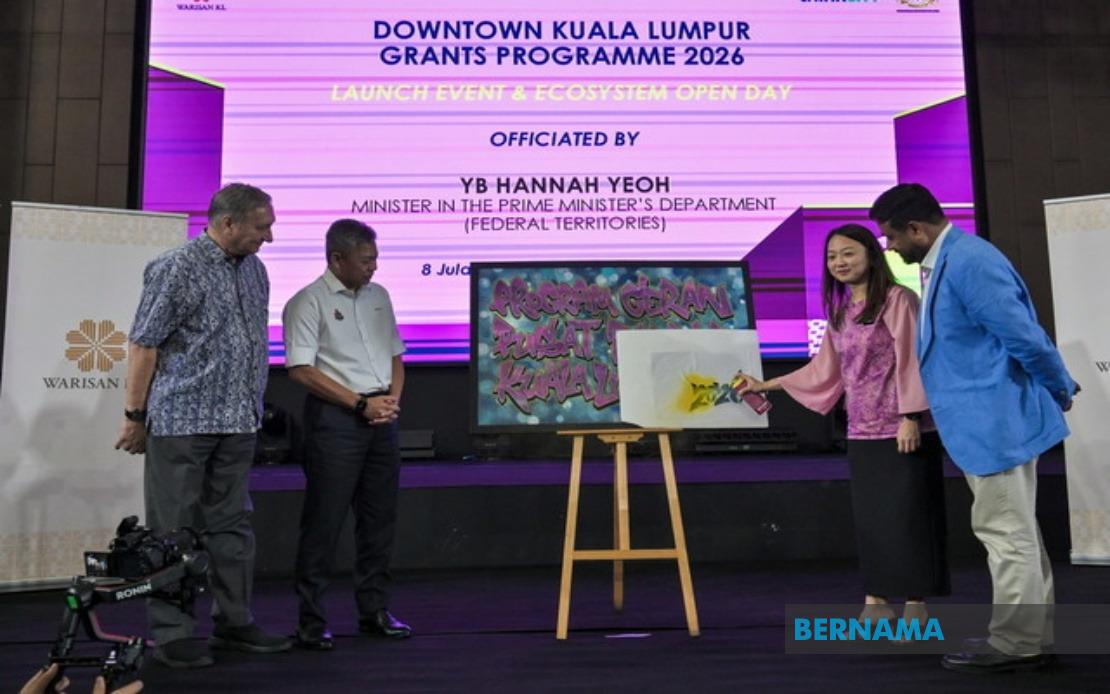
Minister in the Prime Minister's Department (Federal Territories) Hannah Yeoh's attendance at the mayor's announcement signals federal-level awareness and engagement with the matter. As the minister overseeing federal territory affairs, her presence indicates that the issue receives attention at higher governance levels, potentially facilitating coordination across DBKL and JKPTG. This political involvement may accelerate processing at departmental levels, though bureaucratic procedures typically follow established timelines regardless of ministerial interest. The partnership between municipal and federal authorities demonstrates recognition that complex property questions require integrated approaches across government structures.
Compensation determination remains a pivotal element in this acquisition process. The landowner faces a significant decision: whether to accept government valuations or contest them through available appeals mechanisms. Disagreements over fair market value represent the most common impediment to successful government land acquisitions throughout Malaysia. The Valuation Department's assessment will attempt to reflect current market conditions, but property owners frequently believe their land possesses greater value, particularly if the surrounding area has experienced substantial development. Should the owner dispute the valuation, additional proceedings could protract the overall timeline considerably beyond the mayor's projection.
The Sentul access road situation carries implications for other Kuala Lumpur neighbourhoods where similar informal arrangements may exist. Should DBKL successfully resolve this matter through systematic land acquisition, the model may be applied elsewhere, bringing regulatory clarity to other properties where public infrastructure operates without explicit legal foundations. Conversely, if significant delays or complications emerge, the case may discourage proactive regularisation efforts, leaving questionable arrangements unresolved. The outcome will therefore reverberate beyond Taman Datuk Senu, potentially establishing precedent for municipal approaches to property formalisation throughout the capital.
From a practical standpoint, residents of the affected area face a period of uncertainty regarding their primary access route. The roadblock, though subsequently reopened, demonstrated the vulnerability of arrangements lacking legal protection. Should the acquisition process encounter unexpected obstacles, residents cannot rely on their long-term usage as a defence against future closures. This precariousness highlights the advantages of formal land documentation and official agreements over customary or undocumented access arrangements. DBKL's commitment to expediting the acquisition process, if fulfilled, would provide residents with the assurance that comes from statutory certainty, transforming a tenuous informal arrangement into protected legal right.

