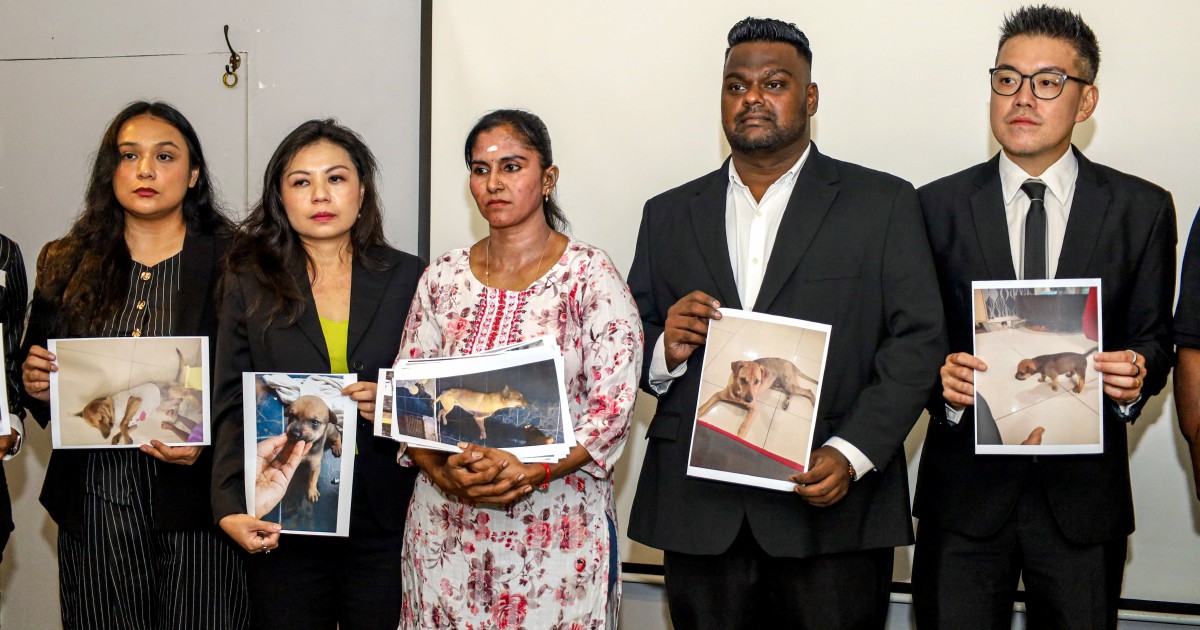
The death of Rocky, a pet dog that authorities allegedly killed while attempting to apprehend stray animals in Taman Teluk Gedung Indah, Port Klang, has become a flashpoint for broader concerns about how Malaysia's local authorities handle companion animals and enforcement operations. The incident has prompted Rocky's owner to demand transparency from relevant authorities, highlighting the tension between public safety measures targeting uncontrolled dog populations and the protection of family pets within residential communities.
The circumstances surrounding Rocky's demise underscore a critical gap in Malaysia's animal management framework. Municipal and local councils tasked with controlling stray dog populations often operate with standardised procedures that may not adequately distinguish between genuinely stray animals and pets that have temporarily wandered from their owners' properties. This ambiguity creates situations where well-intentioned removal operations can result in unintended casualties within family households, sparking emotional and legal disputes that might otherwise be preventable through clearer protocols.
Malaysian animal welfare advocates have long flagged deficiencies in the training and oversight of personnel involved in stray animal capture operations. Many councils contract external teams or rely on municipal staff with minimal formal qualification in animal handling, de-escalation techniques, or the assessment of whether an animal poses genuine risk. The allegation that Rocky was beaten during the capture process raises serious questions about whether force was necessary or proportionate, and whether handlers had received adequate instruction in humane restraint methods that minimise animal suffering.
The Port Klang incident reflects systemic weaknesses that extend across the peninsula. Similar complaints have emerged from Kuala Lumpur, Penang, and other states where residents report aggressive or apparently excessive force during stray dog operations. Without standardised operating procedures, transparent accountability mechanisms, or independent oversight, individual councils operate largely without external scrutiny. This decentralisation, while administratively convenient, leaves room for practices that may violate Malaysia's own animal welfare legislation, including the Animals Act 1953.
Rocky's owner's appeal for transparency is not merely an emotional response but a legitimate call for institutional reform. A transparent investigation would need to examine whether the capturing team possessed proper authorisation, whether they attempted to contact the owner or conduct initial inquiries, what documentation exists regarding the operation, and crucially, the precise sequence of events leading to the animal's death. Such scrutiny could establish precedent for future incidents and provide clarity on what constitutes acceptable practice.
The incident also raises questions about communication between local authorities and residential communities. Many residents in Malaysian housing estates remain unaware of stray dog management operations in their areas, receiving no advance notice that personnel will be conducting captures in their neighbourhoods. This lack of coordination often means pet owners cannot take precautions to secure their animals, inadvertently exposing them to capture teams who may not pause to verify ownership status before proceeding with detention.
Beyond Port Klang, this case carries implications for how Malaysian local government modernises its approach to public health and safety. Stray dog populations do constitute a genuine public concern, particularly regarding disease transmission and community safety, but the current methodology appears inefficient and often counterproductive. More progressive approaches adopted in other countries—including community notification systems, microchip registration drives, and partnerships with animal welfare organisations—have proven more effective at controlling populations while minimising unnecessary harm.
The regulatory framework governing animal control operations in Malaysia remains underdeveloped. Federal guidelines exist, but implementation and enforcement rest with individual councils that often lack resources, training, and political will to adhere to best practices. Some councils have begun introducing trap-neuter-return programmes, which address population control more humanely, yet others continue relying on removal and euthanasia as primary responses. This fragmented approach means standards vary dramatically between jurisdictions, creating inconsistency that undermines public confidence.
From an animal welfare standpoint, the allegation of beating during capture represents a violation of the spirit, if not the letter, of Malaysia's legislative framework. The Animals Act 1953, while dated, still prohibits unnecessary cruelty, yet enforcement mechanisms are weak and complaints often languish without resolution. A proper investigation into Rocky's death could establish whether regulations were breached and whether those responsible face consequences, signalling to other councils that substandard practices will not be tolerated.
The emotional and social dimension of this case cannot be overlooked. Pet ownership has surged across Malaysia, particularly among urban and middle-class households, and animals occupy significant roles in family life. When a pet dies under circumstances that appear negligent or cruel, public trust in municipal institutions deteriorates. The call for transparency reflects not just concern for one dog but anxiety among thousands of pet owners about the safety of their companions and the accountability of government agencies they are obliged to trust.
Moving forward, Malaysian authorities would benefit from establishing independent oversight bodies responsible for reviewing animal control operations, ensuring training standards, and investigating complaints. Clear protocols distinguishing stray animals from pets, advance community notification systems, and accessible documentation of capture operations would represent substantial improvements. International best practices demonstrate that such measures need not compromise public health objectives while significantly enhancing animal welfare and public satisfaction.
The Port Klang incident serves as a test case for Malaysia's commitment to balancing legitimate public health concerns with responsible governance and animal protection. How authorities respond to Rocky's owner's demands for transparency will establish whether meaningful reform is forthcoming or whether such incidents will continue recurring with impunity, further eroding public confidence in local government institutions.

