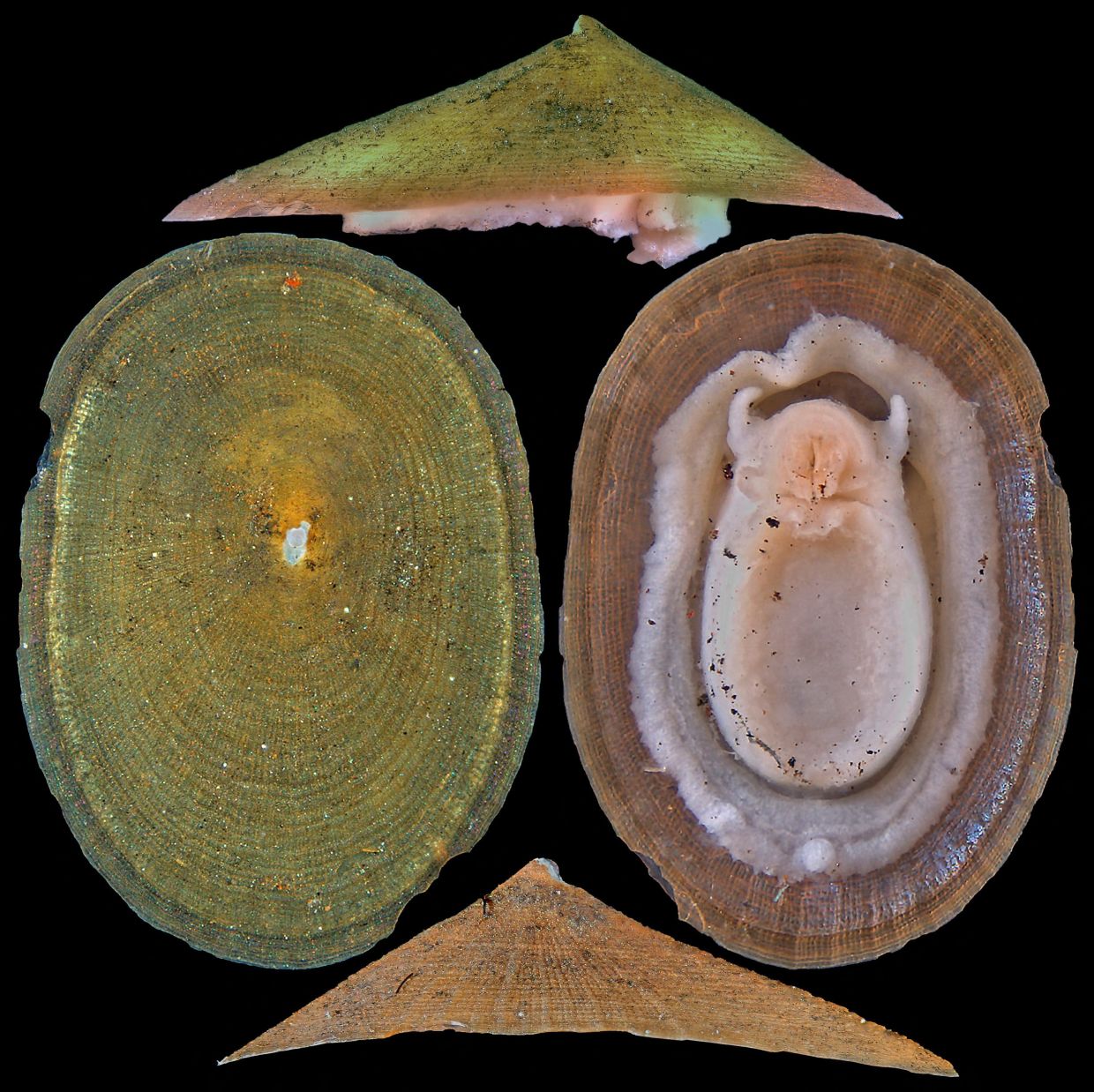
The extraction of minerals from the ocean floor has emerged as a critical threat to fragile ecosystems in Earth's deepest waters, with conservation authorities now documenting widespread vulnerability among creatures uniquely adapted to extreme environmental conditions. The International Union for the Conservation of Nature released an updated assessment revealing that over three-fifths of all mollusc species found exclusively around hydrothermal vents are at genuine risk of disappearing forever, driven primarily by industrial deep-sea mining operations seeking valuable mineral deposits. Of the 201 known endemic mollusc species dwelling in these extreme submarine habitats, 125 species now carry extinction risk classifications, highlighting how rapidly human industrial activity can menace even the most remote organisms.
The latest IUCN Red List update, published this week, expands the comprehensive catalogue of species under threat globally. The organisation now tracks 175,909 species across all animal and plant groups, an increase from the previous edition's 172,620 entries. Within this expanded inventory, the number of species formally classified as threatened with extinction has climbed to 49,505, up from 48,646 in the preceding assessment cycle. This trajectory underscores how biodiversity loss accelerates across multiple ecosystems and taxonomic groups simultaneously.
Hydrothermal vents represent some of Earth's most hostile and scientifically remarkable environments, located at depths exceeding 5,000 metres beneath ocean surface where superheated water exceeds 450 degrees Celsius. Yet despite these punishing conditions, diverse communities of molluscs have evolved intricate survival mechanisms over millions of years, including snails, limpets, mussels, clams and armoured chitons. The profound isolation of these vent systems means many species have been discovered only within the past decade, yet they already face existential threats from mineral extraction occurring in proximity to their narrow habitats. Scientists emphasise that many of these organisms remain scientifically undescribed and their ecological relationships poorly understood, making their extinction particularly troubling.
The mechanics of deep-sea mining directly compromise the survival prospects of vent-dependent fauna. Seabed exploration activities generate extensive sediment plumes that physically smother animals adapted to clear, nutrient-rich waters rising from thermal vents. These sediment clouds interfere with the organisms' biochemical capacity to absorb essential nutrients and minerals, creating a cascade of physiological stress. For creatures that exist nowhere else on Earth and whose entire evolutionary history has unfolded in isolation around specific vent clusters, such habitat disturbance essentially means extinction with nowhere else to relocate.
Julia Sigwart, representing the IUCN's mollusc specialist group, characterised these creatures as occupying an extraordinarily precarious conservation moment. Her assessment reflects the timing problem confronting marine biologists: many species have only recently entered the scientific record, yet face industrial pressures before adequate baseline knowledge about their populations, life cycles and ecological requirements can be established. She emphasised that the mollusc assemblages dependent on hydrothermal vents represent among Earth's most vulnerable animal communities, facing extinction threats at a stage when their biology remains incompletely understood.
The IUCN itself advocated for strong precautionary measures in 2021, when the organisation's governing body voted in favour of imposing a complete moratorium on deep-sea mining unless robust mechanisms protecting marine environments are first established and verified. This position reflects scientific consensus that current monitoring and mitigation technologies remain insufficient to adequately safeguard abyssal ecosystems from extraction impacts. Grethel Aguilar, heading the IUCN, articulated the paradox underlying the crisis: life has ingeniously adapted to survive in Earth's most extreme and inhospitable environments through specialised characteristics refined across geological timescales, yet these very specialisations render such creatures vulnerable once their isolated habitats become targets for resource extraction.
Beyond the hydrothermal vent ecosystem, the IUCN update documents conservation reversals in other specialised habitats. The desert rain frog, a charismatic species that has accumulated significant social media following, experienced a status downgrade from near threatened to vulnerable classification. This small amphibian, which burrows into sand for survival, has experienced mounting pressures from diamond mining operations and energy infrastructure development stretching along the southwestern coasts of South Africa and Namibia. Without implemented conservation interventions, population models suggest a decline of approximately 20 percent across the coming decade as suitable habitat continues fragmentation and degradation.
The desert rain frog's deteriorating status contrasts sharply with a rare conservation success story documented in the same IUCN assessment. Australia's numbat, a small marsupial also recognised by the vernacular name banded anteater, has improved its conservation classification from endangered to near threatened status. Current population estimates suggest between 2,000 and 3,000 individuals survive in the wild, representing a dramatic recovery from merely hundreds of animals recorded during the 1970s. This turnaround resulted from deliberate multi-decade investments in captive breeding programmes, habitat protection initiatives and coordinated management strategies implemented across multiple Australian jurisdictions.
The numbat case demonstrates essential principles that conservation specialists emphasise repeatedly when evaluating long-term species survival prospects. John Woinarski, co-chairing the IUCN's Australasian marsupial and monotreme specialist group, underscored that persistent, strategically directed and collaborative conservation action produces measurable results across generational timescales. His commentary acknowledges that without such concerted intervention, feral cat populations and introduced fox species will continue driving Australia's smaller marsupials and native rodent communities towards extinction, as these invasive predators have already devastated numerous native carnivore-naive species across the continent.
These contrasting narratives from the IUCN assessment illuminate broader conservation realities confronting the region and globally. Deep-sea mining represents an emerging threat category affecting ecosystems previously considered beyond human reach, whilst established invasive species continue compounding extinction pressures on species adapted to isolated geographic regions. Southeast Asian nations with marine territories, including Malaysia, face potential implications from deep-sea mining expansion as the quest for battery metals intensifies to support renewable energy transitions globally. The balancing of resource demands against biodiversity protection remains a defining conservation challenge of the coming decades, with the IUCN assessments providing crucial baseline documentation for informed policy deliberation.

