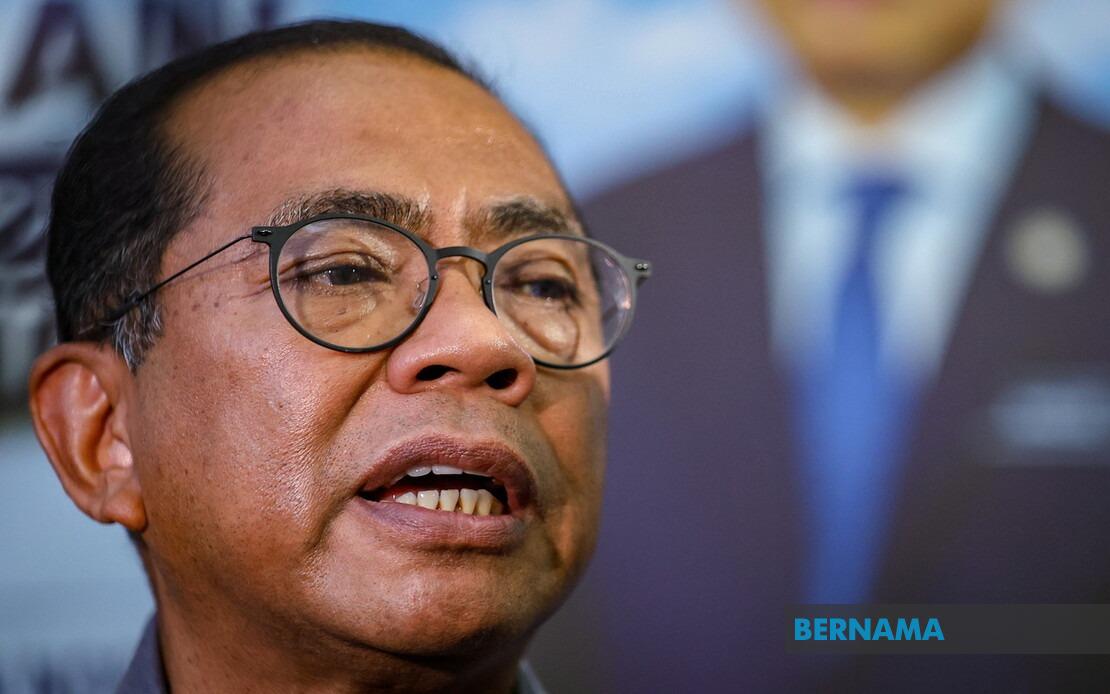
Defence Minister Datuk Seri Mohamed Khaled Nordin touched down in Hanoi on August 5 for a two-day official visit designed to reinvigorate military cooperation between Malaysia and Vietnam, marking his inaugural trip to the Southeast Asian neighbour in his current capacity. The minister's arrival at Noi Bai International Airport signals renewed momentum in defence relations between the two nations, with a carefully structured itinerary featuring high-level engagements aimed at charting the course for expanded collaboration.
The visit represents a strategic pivot in Malaysia's approach to bilateral security partnerships within the region. Mohamed Khaled's schedule includes meetings with Vietnam's Prime Minister Le Minh Hung and Deputy Prime Minister and Minister of National Defence Gen Phan Van Giang, suggesting that both nations view the engagement as sufficiently significant to warrant participation from senior political and military leadership. These encounters will provide opportunities to discuss not only current defence matters but also to establish parameters for future cooperation in an increasingly complex regional security environment.
Malaysia and Vietnam share a longstanding history of defence collaboration, though relations have at times been overshadowed by broader geopolitical currents and competing priorities within each nation's strategic framework. The minister emphasized in a Facebook statement that the two countries have "long enjoyed close defence ties," reflecting a baseline of mutual interest in maintaining cooperative mechanisms despite occasional divergences in regional positioning. This institutional continuity provides a solid foundation upon which both nations can build more sophisticated defence partnerships.
A pivotal marker in the trajectory of Malaysia-Vietnam defence relations came with the renewal of the Memorandum of Understanding on defence cooperation in December 2023. This reaffirmation of commitment demonstrates that both governments consciously prioritize military and strategic alignment, even as they navigate individual security concerns and international obligations. The renewal itself signals that neither party views defence cooperation as a static arrangement but rather as a living framework requiring periodic renewal and updating to reflect evolving security landscapes.
Mohamed Khaled's articulated objective for the visit extends beyond ceremonial exchanges or routine consultations. He expressed a determination to elevate Malaysia-Vietnam defence ties to unprecedented levels, positioning the visit as a potential watershed moment for bilateral military engagement. This ambition reflects broader Malaysian defence policy objectives under his stewardship, which appear focused on deepening partnerships with immediate neighbours while maintaining strategic flexibility in the face of shifting regional dynamics.
The potential for expanded cooperation carries tangible implications for regional stability and peace architecture. Both nations face common challenges including maritime security concerns, non-traditional threats such as transnational crime and piracy, and the imperative to maintain freedom of navigation and overflight in shared waters. By forging closer defence links, Malaysia and Vietnam can pool resources, share intelligence on emerging threats, and coordinate responses to challenges that transcend national boundaries. This collaborative approach serves mutual interests while contributing to the broader Southeast Asian security ecosystem.
From Malaysia's perspective, strengthened ties with Vietnam hold strategic value in maintaining balance within the regional power structure. Vietnam's geographic position, military capabilities, and increasingly assertive role in regional affairs make it a consequential player in Southeast Asian geopolitics. By investing in robust defence relationships, Malaysia signals its commitment to a multipolar regional order where no single power dominates and smaller nations maintain agency through strategic partnerships. This positioning aligns with Malaysia's broader foreign policy principles favouring multilateral engagement and coalition-building.
Vietnam likewise benefits from deeper Malaysia ties as part of its broader strategy to expand diplomatic footprint and defence partnerships across Southeast Asia. As a regional power with significant interests in maintaining stability and ensuring favourable maritime arrangements, Vietnam values strong relationships with fellow ASEAN members. Defence cooperation with Malaysia complements Vietnam's existing partnerships and reinforces ASEAN-wide mechanisms for conflict prevention and dispute resolution.
The timing of Mohamed Khaled's visit reflects careful diplomatic choreography. His appointment as Defence Minister appears to have motivated a deliberate outreach to key regional partners, establishing personal relationships and demonstrating Malaysia's seriousness about defence matters at the ministerial level. This approach differs from allowing defence ties to persist through institutional channels alone, instead injecting fresh political impetus into bilateral relations through high-level engagement and personal diplomacy.
The minister's optimism about creating "more opportunities for cooperation that would benefit both countries" suggests openness to exploring new dimensions of defence partnership beyond traditional military-to-military exchanges. Joint training exercises, technology cooperation, defence industry partnerships, and intelligence sharing protocols may feature in discussions between Malaysian and Vietnamese officials. These expanded forms of cooperation would deepen mutual understanding and create multiple points of contact between the two defence establishments.
Looking forward, the outcomes of this visit will likely set parameters for Malaysia-Vietnam defence engagement for several years. Any agreements or frameworks established during these meetings will require follow-up mechanisms and institutional arrangements to ensure sustained implementation rather than becoming symbolic gestures. The ability of both nations to translate diplomatic declarations into concrete defence cooperation will determine whether this visit represents a genuine inflection point in bilateral relations or merely continues existing patterns.

