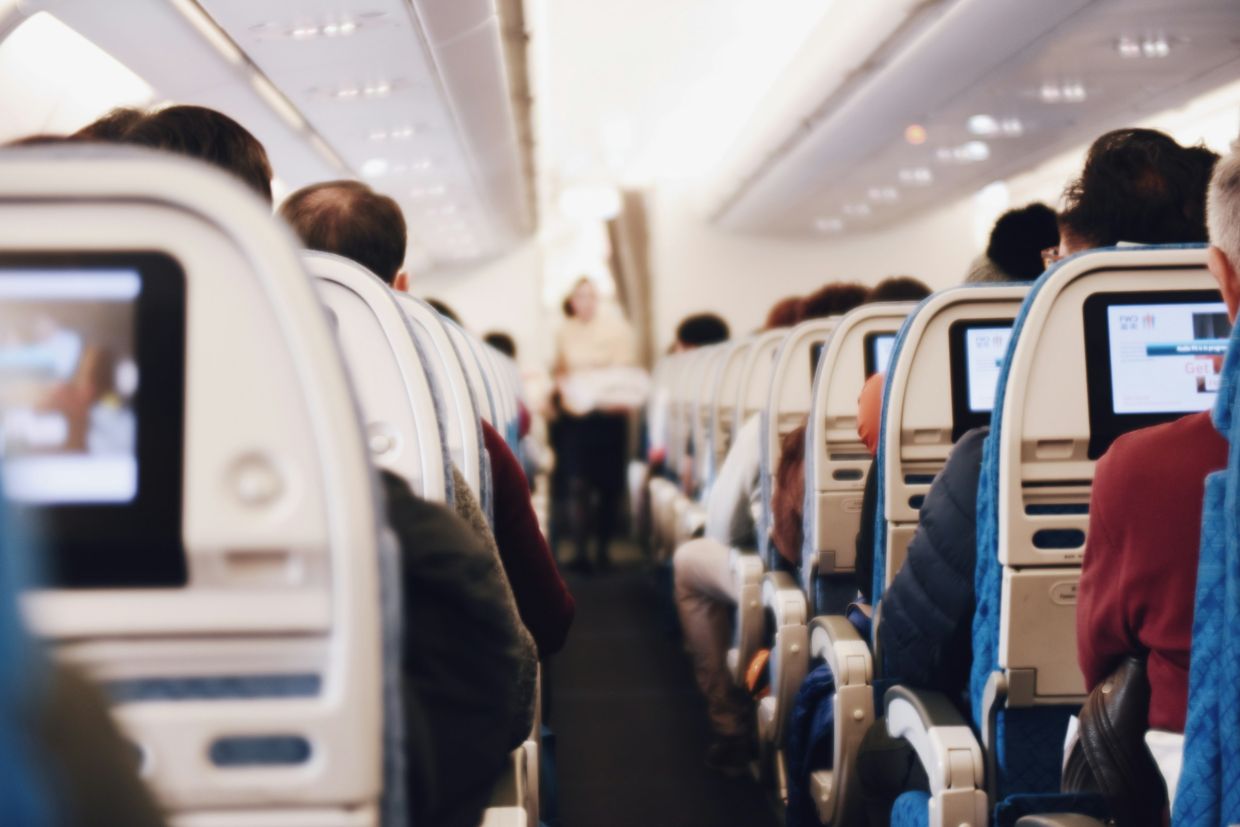
Delta Air Lines has launched a formal investigation into an unauthorised wireless network that materialised aboard one of its aircraft operating out of Las Vegas on August 10, immediately following the conclusion of Def Con, one of the world's foremost cybersecurity conferences. The incident has drawn the attention of federal law enforcement and aviation authorities, though Delta maintains that the situation posed no genuine threat to flight safety or critical aircraft systems.
According to Delta spokesperson Morgan Durrant, the rogue WiFi network activated briefly during the flight, prompting the crew operating the Boeing 757 to disable the aircraft's wireless connectivity for approximately 30 minutes while the matter was investigated. The airline has emphasised that the unauthorised network's appearance did not constitute a breach of any Delta system, nor did it trigger any emergency protocols among air traffic control personnel. Durrant stated in an official message released on August 11 that the safety of the flight remained uncompromised throughout the incident and that no aircraft operating systems experienced any interference or compromise.
The FBI's Atlanta field office has confirmed awareness of reports regarding the potential WiFi-related incident aboard Delta Flight 591, which was heading to Atlanta from Las Vegas. Agency representatives acknowledged coordinating with both local and corporate partners in their inquiry, though they declined to furnish additional specifics at this stage. Meanwhile, the Federal Aviation Administration has also initiated its own examination of the reported incident, with officials noting that even a successful breach of an onboard WiFi system would fundamentally not endanger a flight's safety-critical systems or operational integrity.
Delta Flight 591 departed Las Vegas the morning after Def Con concluded, the annual gathering that positions itself as the largest hacking and cybersecurity conference globally. Conference organisers, through spokesperson Monika Hathaway, stated that they had received no direct contact from Delta or law enforcement authorities regarding the incident, though the conference planned to commence its own independent investigation. Hathaway issued a clear statement of the conference's position, emphasising that Def Con neither encourages nor condones unlawful activities, and warning that any attendee found to have participated in the incident would face permanent banishment from future conferences.
Cybersecurity experts point out that the technical execution of such an attack is relatively straightforward from an operational standpoint. Lennart Koopmann, founder of the cybersecurity firm Nzyme, which specialises in defending against close-proximity cyberattacks, explained that disrupting an existing WiFi network and replacing it with a fraudulent access point requires only two fundamental steps. Such an attack enables the perpetrator to intercept and read data transmitted across the network if that communication lacks encryption protections.
The equipment required to execute this type of attack is surprisingly modest in both scale and cost. Koopmann noted that battery-powered devices capable of conducting such interference are typically smaller than a standard cigarette box and can be purchased for approximately USD 250, equivalent to around RM 1,022 at current exchange rates. These tools are widely available and commonly employed by legitimate security testing professionals during authorised penetration testing engagements. Given the accessibility of such equipment and the relatively low barrier to entry, Koopmann speculated that a passenger may have simply decided to experiment with such a device during the flight, though this remains speculative pending the official investigation's findings.
The incident raises broader questions about wireless security protocols aboard commercial aircraft, particularly in light of the proximity to major cybersecurity events where attendees possess both technical knowledge and access to specialised equipment. While the FAA's assurance that WiFi breaches cannot compromise critical flight systems provides reassurance regarding safety, the incident underscores the evolving nature of aviation security challenges in an era where capable hacking tools have become increasingly compact and affordable.
For Malaysian and Southeast Asian aviation stakeholders, the episode serves as a timely reminder of the importance of robust cybersecurity protocols extending beyond traditional aircraft systems. Regional carriers operating similar modern aircraft should examine their own wireless network security measures, particularly given the region's significance in global aviation and its growing presence within international cybersecurity circles. The incident also highlights the thin line between legitimate security research and unauthorised experimentation, a distinction that may require clearer communication and education within the global hacker community.
The investigation remains ongoing, with Delta committed to assembling a comprehensive factual record despite the time investment required. The resolution of this case will likely influence how both Delta and its industry peers approach wireless connectivity on commercial flights, potentially affecting passenger experience and security protocols across the aviation sector. As aviation increasingly integrates advanced connectivity features, balancing passenger convenience with security and safety considerations will remain a critical challenge for carriers operating in competitive markets where in-flight connectivity has become an expected amenity.

