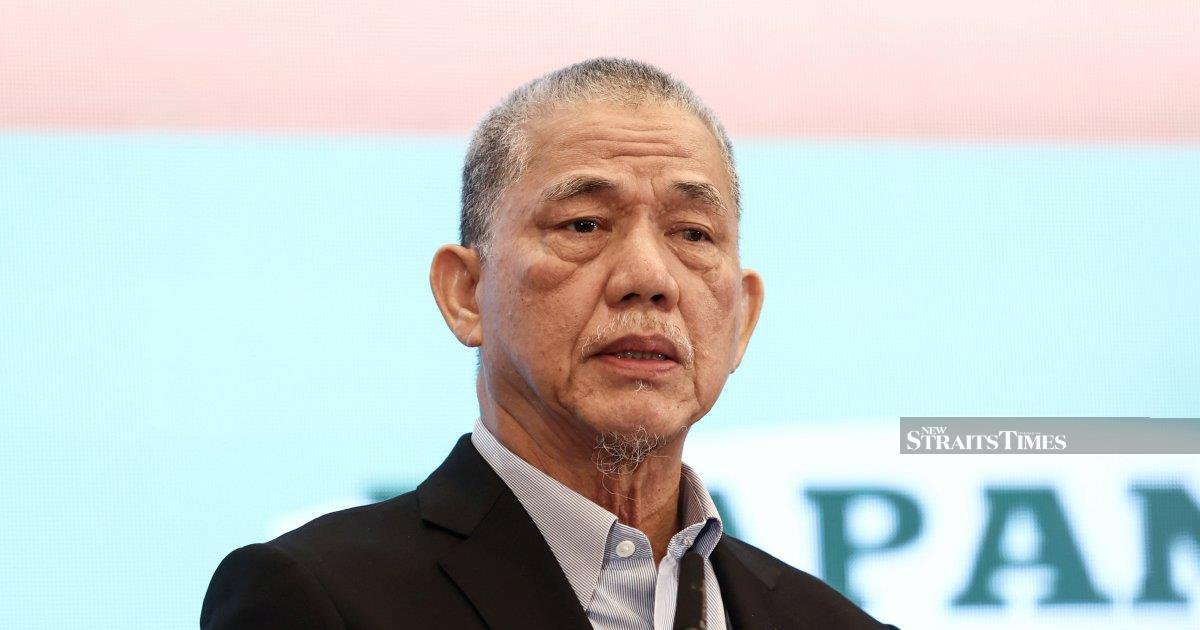
Deputy Prime Minister Datuk Seri Fadillah Yusof is progressing well in his recovery after undergoing a coronary artery bypass grafting procedure at the National Heart Institute in Kuala Lumpur on August 12. The surgical intervention, commonly known as CABG, represents a significant medical milestone for one of Malaysia's most senior political figures during a period of important national governance.
Coronary artery bypass grafting is a major surgical procedure undertaken when blockages in the arteries supplying blood to the heart muscle cannot be effectively managed through less invasive methods. During the operation, surgeons create alternative routes for blood flow by grafting healthy blood vessels around the blocked areas, restoring adequate circulation to the heart. This procedure requires careful post-operative management and a structured rehabilitation programme to ensure full recovery and prevent complications.
The National Heart Institute, which performed Fadillah's surgery, is Malaysia's leading cardiac care facility and specialises in complex cardiovascular interventions. The institute's experience with high-profile cases and advanced surgical techniques has established it as a centre of excellence for cardiac treatment in the region. The selection of IJN for the Deputy Prime Minister's procedure underscores the confidence placed in domestic medical expertise and infrastructure.
Fadillah's health situation carries implications beyond personal recovery. As the second-highest ranking member of the federal government, any extended absence from official duties can affect policy implementation and executive decision-making. The current progress reports suggest a timeline for his return to administrative responsibilities, though complex cardiovascular cases typically require careful monitoring over several months. Malaysian political observers have been keenly watching developments, recognising that major government transitions during recovery periods can create uncertainties in ongoing policy initiatives.
Post-operative recovery from CABG typically unfolds in phases, beginning with intensive monitoring in hospital before transition to home-based rehabilitation. Patients must adhere to strict dietary modifications, gradually increase physical activity under medical supervision, and manage a regimen of cardiac medications. Psychological adjustment is equally important, as bypass surgery often prompts lifestyle reflection among patients. For a serving Deputy Prime Minister, balancing medical requirements with governmental obligations presents particular challenges requiring coordination between medical teams and the office of the prime minister.
The public disclosure of Fadillah's surgery and recovery status reflects Malaysia's approach to government transparency regarding health matters affecting senior officials. Previous instances of medical procedures involving top government figures have sometimes generated speculation and uncertainty when information remains opaque. The straightforward communication from official channels about the August 12 procedure and subsequent recovery trajectory helps maintain public confidence in governmental continuity.
Cardiovascular disease remains a significant health concern across Southeast Asia, with lifestyle factors, metabolic conditions, and genetic predisposition contributing to rising incidence rates. The procedures available at institutions like the National Heart Institute represent the culmination of decades of cardiac research and surgical innovation now accessible within Malaysia. Fadillah's case, while involving a distinguished public figure, also reflects broader patterns of cardiovascular health challenges affecting the region's population.
The successful execution of complex cardiac surgery and positive early recovery outcomes depend on multiple factors including pre-operative assessment, surgeon expertise, anaesthetic management, and post-operative intensive care. The National Heart Institute's capacity to deliver these elements consistently has contributed to Malaysia's reputation for quality healthcare. Medical tourism to Malaysia for cardiac procedures has grown substantially, with international patients seeking treatments at facilities comparable to international standards yet at more accessible costs.
Fadillah's recovery trajectory will likely be monitored carefully by both medical professionals and political observers. The Deputy Prime Minister will require ongoing cardiac specialist consultations, regular diagnostic assessments, and adherence to preventive medication protocols extending well beyond the immediate post-operative period. Governing responsibilities will need to be calibrated with medical recommendations regarding activity levels and stress exposure during the crucial early recovery months.
The broader significance of this case extends to public awareness about cardiovascular health and the importance of preventive screening. Bypass surgery, while life-saving for individuals with severe coronary disease, underscores the value of earlier intervention through lifestyle modification, regular health checks, and management of risk factors such as hypertension and diabetes. Malaysia's healthcare system continues expanding its capacity for both preventive cardiology and advanced interventional treatment.
As Fadillah progresses through his recovery phase, updates on his condition will likely continue to be shared through official channels. The Deputy Prime Minister's health situation also highlights the resilience of Malaysia's government structure, wherein succession plans and delegation protocols ensure administrative continuity during periods when senior officials face temporary incapacity. The medical teams at the National Heart Institute will maintain regular follow-up appointments to monitor his cardiac function and adjust treatment as required.

