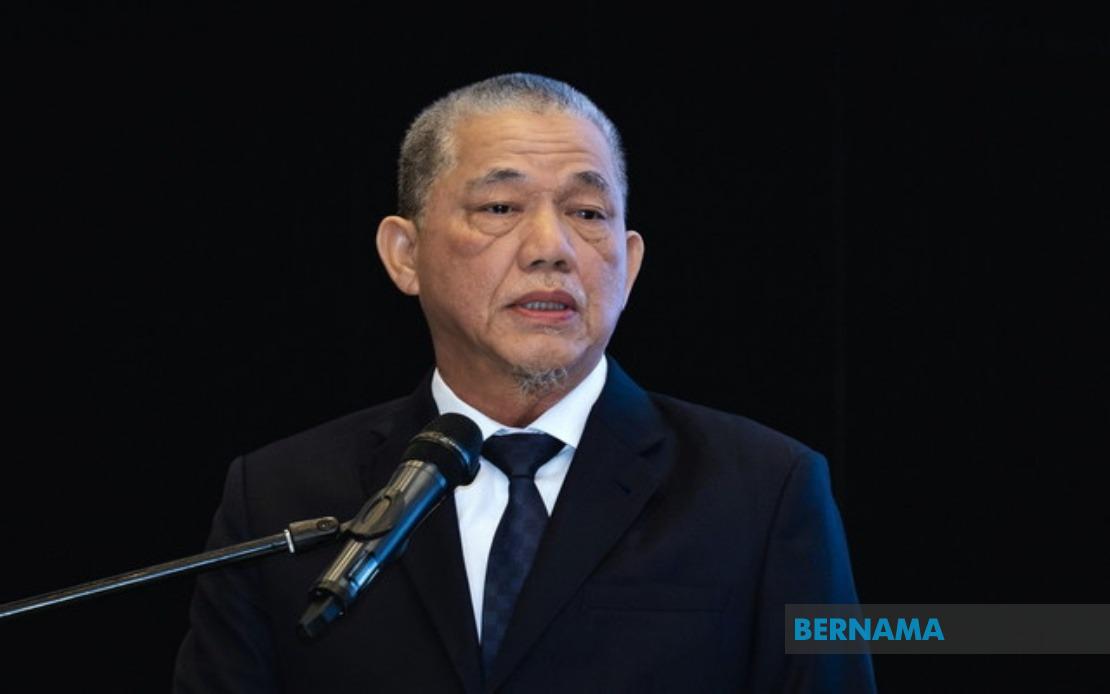
Deputy Prime Minister Datuk Seri Fadillah Yusof faces an upcoming heart bypass procedure at the National Heart Institute (IJN) in Kuala Lumpur, marking a significant moment in Malaysia's political leadership during a period of ongoing governance challenges. The announcement, made through his press secretary Datuk Misiah Taib on Friday, comes after his medical team recommended the surgical intervention to address cardiac concerns that have required specialist attention.
The confirmation of Fadillah's medical condition underscores the physical demands placed on senior government officials who maintain demanding schedules across multiple ministerial portfolios. As both Deputy Prime Minister and Minister of Energy Transition and Water Transformation (PETRA), Fadillah shoulders substantial responsibility for two critical government functions—one overseeing national energy policy and water resources, the other positioning him as second-in-command of the executive branch. The timing of his medical intervention reflects a pragmatic decision to prioritise health matters while parliament is not in intensive session.
Fadillah's medical team has determined that bypass surgery represents the appropriate course of treatment for his condition. Heart bypass procedures, while routine in modern cardiac surgery, carry significance for public figures due to recovery timelines and the demands of high-office positions. The National Heart Institute, as Malaysia's premier cardiac facility, provides the requisite expertise and infrastructure for complex surgical interventions of this nature. The choice of IJN signals confidence in domestic medical capabilities and reflects the institution's established reputation for handling cases involving national leaders.
According to the statement from his office, Fadillah maintains stable medical condition at present, a reassuring indicator for both his family and political colleagues. The medical guidance he has received emphasises complete rest and restricted visitor access during his treatment and recovery phase. This clinical recommendation serves dual purposes—minimising infection risk and psychological stress that could impede post-operative healing. The restrictions on public contact represent standard protocols designed to maximise recovery prospects rather than indicators of deteriorating health.
The family's decision to release information about his condition through formal channels reflects Malaysian political convention, where transparency regarding senior officials' health matters serves public interest while respecting privacy boundaries. The statement emphasises Fadillah's commitment to his duties, implying his intention to resume full responsibilities once medical clearance permits. This framing maintains confidence in government continuity and suggests his health challenges, while requiring intervention, do not presage longer-term incapacity.
For Malaysia's broader political landscape, Fadillah's temporary absence from active duties introduces questions about continuity in energy and water policy implementation. The energy transition agenda remains crucial for the nation's decarbonisation objectives and economic competitiveness. Water management concerns affect millions of Malaysians across multiple states. The government faces implicit pressure to ensure decision-making authority remains effectively distributed during this period, preventing policy stagnation in these critical sectors.
The public request for prayers and well-wishes reflects cultural and religious norms widespread across Malaysia's diverse society. This appeal to collective goodwill transcends political divisions and invites national unity around a health matter affecting a prominent leader. Such appeals, while conventional, serve genuine social functions by channelling public concern into supportive action and reinforcing community bonds.
From a regional perspective, Fadillah's situation highlights healthcare infrastructure strengths within Southeast Asia. Malaysia's cardiac surgery capabilities rival international standards and have attracted patients throughout the region. The deployment of these capabilities for government leaders validates the investment in these medical systems and demonstrates their accessibility to all societal levels when required.
The announcement carries implications for government succession planning and delegation of authority. While Fadillah's absence appears temporary and expected to be finite, it tests institutional capacity to maintain momentum across ministries during leadership gaps. Prime Minister Anwar Ibrahim's government must ensure ministerial responsibilities receive adequate attention without compromising the Deputy Prime Minister's recovery prospects through premature return to duties.
Historically, Malaysian political leaders have managed significant health interventions while maintaining public confidence through transparent communication and clear recovery timelines. Fadillah's case follows this established precedent, providing citizens with necessary information while respecting medical privacy. The government's confidence in publicly disclosing the situation—rather than managing it discreetly—suggests a realistic recovery timeline and relatively straightforward surgical procedure.
The National Heart Institute's involvement carries symbolic weight beyond medical expertise. As a government institution successfully managing the most complex cardiac cases, IJN represents Malaysia's commitment to maintaining world-class healthcare infrastructure. Fadillah's choice to undergo surgery there reinforces this commitment and provides reassurance to ordinary Malaysians that comparable treatment standards apply across society regardless of economic status or social position.
Looking ahead, Fadillah's recovery period offers opportunity for succession preparation and contingency planning within PETRA's responsibilities. This interim period allows government agencies to demonstrate institutional resilience and effective delegation, qualities essential for stable governance. When Fadillah returns to full duties, his experience navigating significant health challenges may bring renewed perspective to policy decisions affecting millions of Malaysians' access to energy and water resources.

