Frequent flyers across Southeast Asia have long complained about the deteriorating condition of their skin during long-haul journeys, yet the physiological mechanisms behind this complaint have only recently become the subject of serious medical scrutiny. Leading dermatologists now confirm that the cabin environment aboard commercial aircraft creates conditions uniquely hostile to skin health, a problem that intensifies with flight duration and becomes particularly acute on transoceanic routes common to Malaysian travellers heading to Europe or North America. Understanding these mechanisms—and how to counteract them—has become essential knowledge for anyone regularly boarding planes in the region.
The culprit behind in-flight skin deterioration lies in the dramatic drop in relative humidity experienced at altitude. Dr Azadeh Manesh, a physician specialising in skincare at a London clinic, explains that whilst normal ground-level environments maintain humidity between 40 and 60 percent, commercial aircraft cabins operate at merely 10 to 20 percent humidity. This extreme differential creates conditions that accelerate transepidermal water loss, the mechanism by which moisture evaporates directly from the skin's outer layers into the surrounding air. The effect is not merely cosmetic; it triggers a cascade of physiological responses that leave skin appearing tight, dull, and visibly dehydrated long after passengers disembark.
The severity of this effect correlates directly with flight duration, which explains why business travellers on brief regional hops between Kuala Lumpur and Singapore report minimal skin changes, whilst those undertaking 12-hour journeys to London or longer regional treks experience pronounced deterioration. Dr Bernard Ho, a consultant dermatologist and spokesperson for the UK's Skin Health Alliance, observes that longer flights warrant proactive in-flight interventions precisely because the cumulative moisture loss becomes substantial. This distinction matters considerably for Malaysian professionals who might travel quarterly to Bangkok yet annually to Europe—their skincare strategies must adapt accordingly to flight duration and altitude exposure.
Counter-intuitively, the standard pre-flight skincare approach of many travellers actively worsens in-flight conditions. Dermatologists strongly recommend discontinuing the use of active ingredients—including alpha-hydroxy acids, beta-hydroxy acids, and retinol formulations—approximately 24 to 48 hours before flying. These ingredients, whilst beneficial for normal routines, increase skin sensitivity and accelerate moisture loss when exposed to cabin humidity levels. The misconception that oily-skinned individuals should maintain their regular acne-fighting regimen during flights fundamentally misunderstands the flight environment; the dryness factor overwhelmingly dominates considerations of skin oil production at altitude, meaning even acne-prone travellers benefit from temporarily shelving their active-based treatments.
Pre-flight skin preparation extends beyond discontinuing problematic ingredients to actively enhancing the skin's barrier function before boarding. This preparation phase should involve amplifying moisturising components in one's regular skincare routine for several days preceding travel, allowing the skin to enter the flight in an optimally hydrated state. The analogy Dr Ho draws to preparing for major events proves apt—just as athletes taper training before competition, skin benefits from enhanced preparation before the unique stress of high-altitude travel. This proactive approach establishes a moisture reservoir that can better withstand the 8 to 15 hours of continuous dehydration exposure that long-haul flights from Malaysia impose.
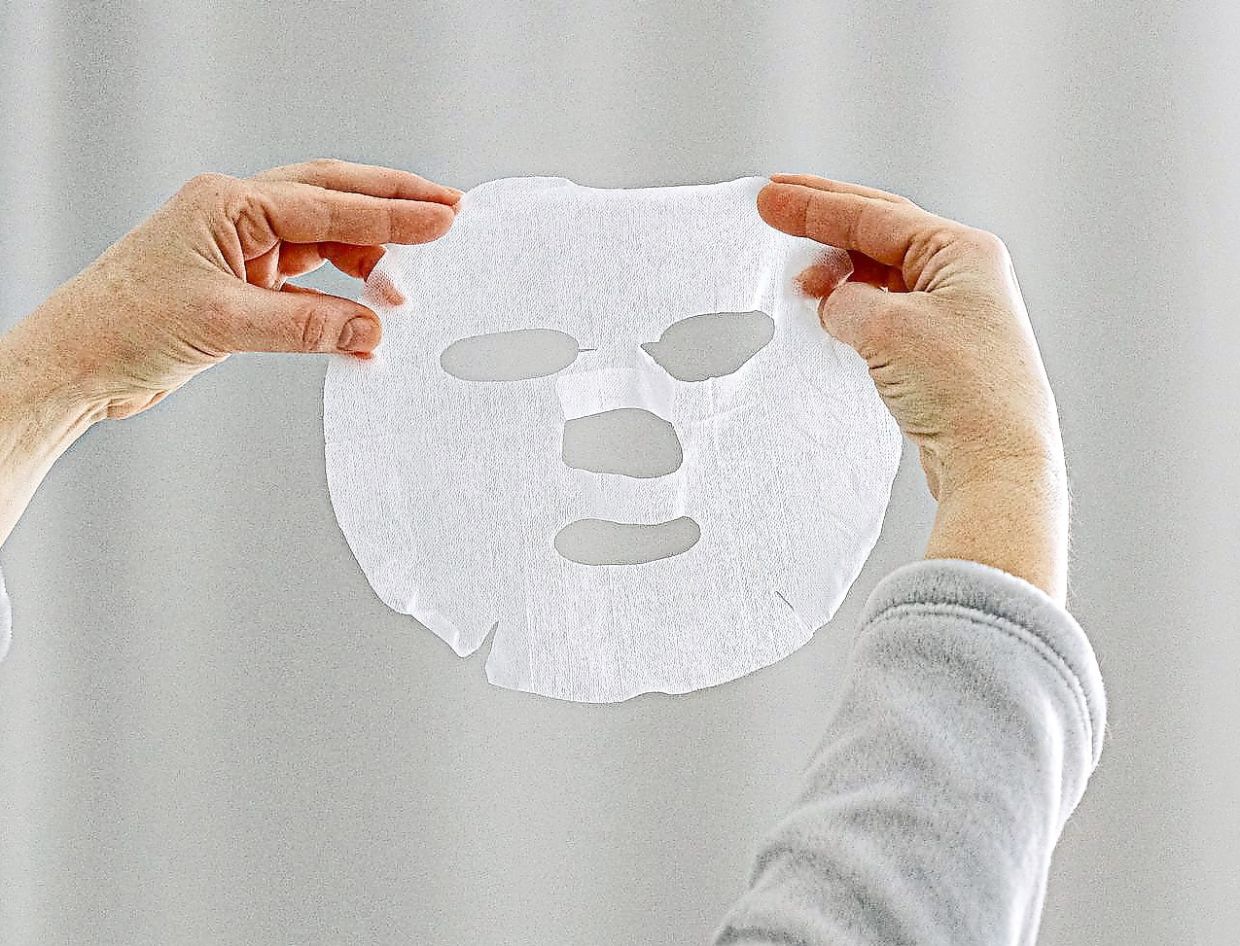
The explosion of elaborate, multi-step skincare routines on Instagram and TikTok, often showcasing travellers applying sheet masks and serums in aircraft lavatories, represents aesthetic theatre rather than evidence-based dermatology. Whilst Dr Ho acknowledges the appeal of these performative routines—he himself has experimented with facial masks during flights—he emphasises that simplicity serves skin health far more effectively than complexity. The sanitary realities of aircraft lavatories, combined with the difficulty of properly cleansing and preparing skin in confined spaces, render elaborate multi-step routines counterproductive. Instead, dermatologists advocate for streamlined approaches that prove effective whilst remaining practical within the constraints of air travel.
The foundation of effective in-flight skincare rests on two core elements: cleansing and hydration. Dr Ho recommends micellar water applied to cotton pads as an efficient cleansing solution, requiring minimal water and generating no mess whilst effectively removing accumulated dust and cosmetics. Following this light cleanse, the entire focus shifts to moisture retention through humectants—water-attracting molecules that draw hydration into the skin whilst preventing its rapid evaporation. Glycerin and hyaluronic acid represent the most accessible and scientifically validated humectants, with both doctors recommending products containing these ingredients as primary serum components. These substances function by binding water molecules within the skin, preventing the transepidermal water loss that would otherwise occur unabated throughout the flight.
Beyond serums, the moisturiser selection becomes critically important for sealing hydration within the skin. Dr Manesh emphasises that applying a hydrating serum without subsequently layering a protective moisturiser proves almost entirely ineffective; the serum's moisture content simply evaporates into the cabin air without the barrier that a proper moisturiser provides. Rich, occlusive moisturisers containing ceramides and other barrier-supporting ingredients create a seal that preserves the serum's hydrating benefits despite the surrounding desiccating environment. The specific moisturiser chosen matters less than its consistent application—any moisturiser outperforms none, though formulations specifically designed for dehydration-prone skin offer superior results. Daytime flights warrant the additional application of broad-spectrum SPF, reapplied every four to five hours, as cabin windows and exterior exposure upon landing create meaningful UV exposure that can damage already-stressed skin.
Dr Manesh cautions against one widespread in-flight practice that actively undermines skin health: the use of makeup wipes for facial cleansing. These wipes, designed for convenience rather than efficacy, paradoxically increase transepidermal water loss through their mechanical action and the evaporative effect of their alcohol-containing formulations. Their popularity aboard aircraft represents a case study in how intuitive practices can contradict dermatological evidence. Similarly, applying heavy makeup during flights creates occlusion that can lead to congestion whilst simultaneously adding dehydrating products to an already-stressed skin barrier. Light makeup proves acceptable, but abandoning cosmetics entirely or maintaining only minimal coverage allows skin to breathe and respond more effectively to hydrating treatments.
Systemic hydration complements topical skincare in ways many travellers underestimate. Both dermatologists emphasise consistent water consumption throughout flights, recognising that internal hydration contributes materially to skin's moisture status despite the external drying environment. Equally important, alcohol and salty snacks actively dehydrate the skin through osmotic mechanisms, making their avoidance during flights a practical intervention rather than mere dietary advice. The cabin's recirculated air environment combines with these dietary factors to create particularly hostile conditions that topical products alone cannot fully address; comprehensive skin protection requires attention to both external and internal factors simultaneously.
For Malaysian travellers planning international journeys, implementing these evidence-based strategies transforms the in-flight experience from one of inevitable skin degradation to manageable physiological stress. The approach requires minimal additional luggage—a micellar water, hydrating serum, protective moisturiser, and SPF constitute the entire regimen—yet delivers measurable improvements in skin condition upon arrival. Regional considerations matter as well; the tropical humidity of Southeast Asia means that returning travellers face rapid re-acclimation as the skin transitions from aircraft dryness to ambient moisture, requiring distinct post-flight skincare approaches. Understanding these transitions allows travellers to maintain skin health across the full journey cycle rather than simply enduring deterioration they assumed inevitable. The science of flight dermatology, increasingly accessible to informed consumers, transforms in-flight skincare from guesswork into evidence-based practice.

