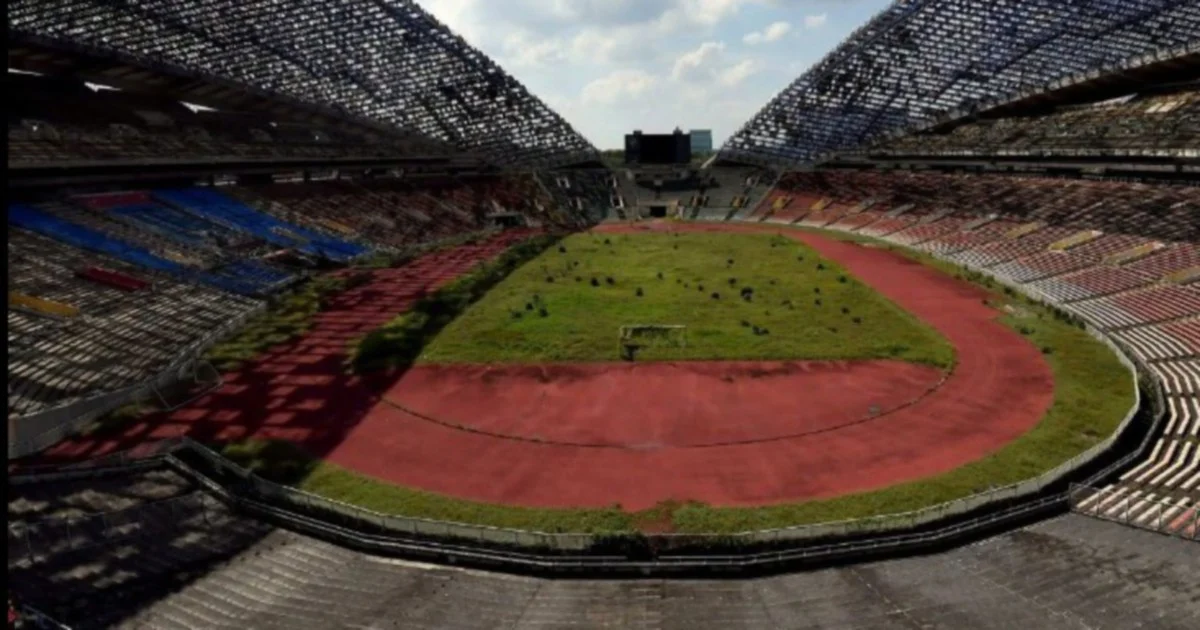
Malaysian Resources Corporation Bhd (MRCB) has secured a consent judgment at the Shah Alam High Court against activist Abdul Razak Ismail in connection with online publications relating to the demolition and redevelopment of the Shah Alam Stadium. The company alleged that the activist's digital communications had inflicted economic harm, prompting the legal action that culminated in the court order this week.
The case represents a broader tension in Malaysia's property development sector between commercial interests and civil society accountability. Shah Alam Stadium, a long-standing sports and entertainment venue in the Selangor state capital, has been at the centre of controversy regarding its demolition and replacement with new commercial and residential facilities. The redevelopment project, undertaken by MRCB, has generated significant public debate about urban planning priorities, heritage preservation, and the balance between economic development and community interests.
Abdul Razak Ismail had been vocal online about the stadium demolition, using digital platforms to articulate concerns and criticisms regarding the project's implementation and broader implications. The activist's publications apparently crossed what MRCB considered a threshold of acceptable criticism, prompting the corporation to pursue legal remedies through the courts. The company's decision to file for a consent judgment suggests confidence in its legal position but also indicates a preference for settlement rather than full litigation.
The consent judgment mechanism allows both parties to reach a mutually agreed resolution without necessarily admitting liability or proceeding to a full trial. This approach can be expedient for parties seeking closure while avoiding the uncertainty and expense of protracted court proceedings. For MRCB, securing such an order provides formal legal validation of its claims while limiting further public commentary through digital channels by the activist.
The Shah Alam Stadium case reflects growing concerns among Malaysian businesses about reputational damage through social media and online activism. In an era where digital platforms enable rapid information dissemination and public opinion formation, corporations increasingly view unfavourable commentary as a significant commercial threat. MRCB's legal action signals that major developers are willing to utilise court mechanisms to constrain critical voices in the digital sphere, a trend that warrants careful monitoring by observers of press freedom and public discourse.
For Malaysian property developers operating in an increasingly visible and contentious sector, this case illustrates both the leverage available through litigation and the vulnerabilities of activists relying primarily on online channels for advocacy. The consent order outcome suggests that individual activists without substantial institutional backing may find themselves at a disadvantage when confronting well-resourced corporations in legal disputes, regardless of the substantive merits of their underlying concerns.
The redevelopment of Shah Alam Stadium occurs within the context of Malaysia's rapid urbanisation and evolving approach to city-centre regeneration. State capitals like Shah Alam have experienced significant property market pressure, with developers seeking opportunities to transform older infrastructure into mixed-use commercial and residential projects. These developments typically promise economic benefits including employment creation, increased tax revenue, and enhanced urban amenities, yet they frequently generate legitimate questions about land use priorities, public interest protections, and community displacement.
Abdul Razak Ismail's activism around this project likely tapped into broader anxieties among Selangor residents regarding transparency in major development decisions and the adequacy of public consultation processes. The stadium, as a long-standing public facility, carried symbolic significance for many locals beyond its commercial value. When such venues are demolished for redevelopment, communities often express concerns that their voices were insufficiently heard in decision-making processes, and that economic considerations have overridden heritage and social continuity concerns.
The consent judgment's specific terms, including any injunctions or restrictions on future online publications, will determine the practical constraints placed on Abdul Razak Ismail's ability to continue advocacy around this or related developments. Courts in Malaysia have occasionally granted wide-ranging orders limiting public commentary, though such orders raise questions about proportionality and the public's legitimate interest in understanding major urban development projects affecting their communities.
This legal outcome may have chilling effects on other activists or civil society commentators contemplating public criticism of major development projects in Malaysia. When individuals face legal costs and court orders resulting from advocacy activities, the calculus for engaging in public interest commentary becomes more daunting, potentially narrowing the range of voices participating in debates around urban planning and corporate accountability.
The Shah Alam Stadium case also highlights the absence of clear legal frameworks explicitly protecting criticism of commercial projects in the Malaysian context. Unlike some jurisdictions with developed defamation law jurisprudence that includes robust fair comment defences, Malaysian legal practitioners and activists navigate a landscape where the boundaries between legitimate criticism and actionable harm remain somewhat fluid, favouring those with greater resources for litigation.
Moving forward, this case may prompt discussion among Malaysian civil society organisations, journalist associations, and legal reform advocates about strengthening protections for public interest expression, particularly regarding major development projects. The tension between corporate reputation interests and democratic accountability in urban governance will likely persist as Malaysia continues its development trajectory.

